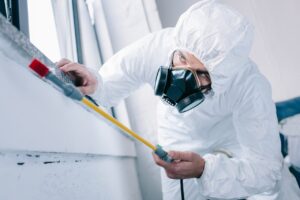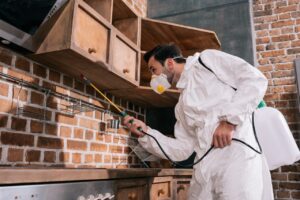
Losing someone to suicide is one of the most devastating experiences a family can face — and being confronted with the responsibility of the scene left behind compounds that grief in ways no one should have to carry alone. Zero Trace Biohazard provides compassionate, certified, fully discreet suicide cleanup services for families, property owners, and landlords across all 50 states, 24 hours a day, every day of the year. Our OSHA-certified, IICRC TCST-trained technicians handle every aspect of the process — containment, biohazard removal, structural assessment, hospital-grade disinfection, permanent odor elimination, and complete documentation — so that no family member ever has to enter the scene or manage any part of this process themselves. Unmarked vehicles are always available. All details are held in complete confidence. If you are ready to speak with someone right now, call (XXX) XXX-XXXX). If you or someone you know is in crisis, please call or text 988 immediately.
TL;DR
Suicide cleanup costs between $1,500 and $10,000+ for most residential scenes, with most jobs falling between $2,500 and $7,500 (CallBiotec; Florida Emergency Cleaning). Firearm-involved scenes with structural penetration into subfloor, wall cavities, or drywall can reach $6,000–$15,000+ (Florida Emergency Cleaning 2025). Most homeowners insurance policies cover suicide cleanup as a sudden, unexpected covered peril — subject to deductible and limits (SuicideCleanup.com; 360haz). All 50 states operate crime victim compensation programs through the OVC and NACVCB; many specifically cover suicide cleanup when reported to law enforcement. Police do not clean scenes — cleanup is the property owner’s legal responsibility once the scene is released (NCSC; 360haz). DIY suicide cleanup creates documented risks of Hepatitis B, Hepatitis C, and HIV exposure, psychological trauma and PTSD, and illegal disposal of biohazardous waste. In some states, sellers and landlords are legally required to disclose deaths on the property — proper remediation documentation protects against liability. Zero Trace Biohazard coordinates insurance claims, victim compensation applications, and property disclosure documentation for every client.
- Cost Range: $1,500–$10,000+; most jobs $2,500–$7,500; severe structural scenes $10,000–$15,000+ (CallBiotec; Florida Emergency Cleaning 2025)
- Biggest Cost Driver: Method — firearm-involved scenes generate significantly greater structural contamination than other methods
- Insurance: Homeowners and renters insurance typically covers suicide cleanup as a sudden, unexpected peril (SuicideCleanup.com; 360haz)
- Victim Compensation: Available in all 50 states through OVC/NACVCB; many states specifically include suicide cleanup
- Who Cleans: Property owner once law enforcement releases the scene — police do not clean
- Certifications: OSHA 29 CFR 1910.1030, IICRC TCST (ANSI/IICRC S540), GBAC Biohazard, EPA-registered disinfectants
- Privacy: Unmarked vehicles always available; no disclosure to neighbors, building management, or third parties
- Crisis Resource: 988 Suicide and Crisis Lifeline — call or text 988, 24/7, free
Quick Facts Table
| Detail | Info |
| Company | Zero Trace Biohazard |
| Phone | (XXX) XXX-XXXX |
| Service Area | All 50 states, residential & commercial |
| Availability | 24/7, 365 days, same-day response |
| Typical Cost Range | $2,500–$7,500 (most jobs) (CallBiotec) |
| Full Cost Range | $1,500–$15,000+ depending on method and structural scope |
| Firearm Scene — Structural | $6,000–$10,000+ (subfloor/drywall/wall cavity) (FL Emergency Cleaning) |
| Certifications | OSHA 29 CFR 1910.1030, IICRC TCST, GBAC |
| Standard | ANSI/IICRC S540 Trauma and Crime Scene Cleanup |
| Disinfectant | EPA-registered, 99.99% pathogen kill rate |
| Insurance | Typically covered as sudden, unexpected peril (SuicideCleanup.com) |
| Victim Compensation | Available all 50 states via OVC/NACVCB |
| Disclosure Laws | Vary by state — Zero Trace provides clearance documentation |
| Privacy | Unmarked vehicles; full confidentiality |
| Timeline (Single Room) | 4–8 hours |
| Timeline (Multi-Room/Structural) | 1–3 days |
| Crisis Support | 988 Lifeline — call or text 988, 24/7 |
A Note to Families Reading This Page
If you are reading this page in the immediate aftermath of losing someone to suicide, we want you to know that you do not have to handle this alone. The scene, the process, the paperwork, the insurance — all of it can be managed by Zero Trace Biohazard so that you can focus entirely on your family and your grief.
You will never be asked to describe what you saw. You will never be asked to enter the space before it is safe. You will never be judged for anything. Our team has sat with families in every imaginable circumstance and we approach every single call with the same thing: complete compassion, absolute discretion, and total professional commitment to taking this burden off your shoulders.
Call (XXX) XXX-XXXX whenever you are ready. We are here 24 hours a day. If anyone in your family or circle is in crisis right now, please call or text 988 — the Suicide and Crisis Lifeline — before anything else.
Why Suicide Cleanup Requires Professional Response
The biological hazards present at a suicide scene are identical in nature and severity to those at any violent crime scene — and in some cases more extensive, depending on the method involved. Blood, bodily fluids, and tissue are formally classified as Other Potentially Infectious Materials (OPIM) under OSHA’s Bloodborne Pathogen Standard (29 CFR 1910.1030), carrying documented risk of Hepatitis B, Hepatitis C, and HIV transmission to anyone who contacts them without proper PPE and protocol (OSHA).
Beyond the physical hazards, the psychological dimension of suicide cleanup distinguishes it from every other form of remediation. No family member should be placed in the position of cleaning the scene where a loved one died by suicide. Research and clinical experience consistently confirm that family members who attempt to clean a suicide scene without professional support experience significantly compounded grief, elevated risk of PTSD, and long-term psychological harm (Alliance Enviro; Aftermath Services). The act itself — handling the physical evidence of a loved one’s death — constitutes a form of secondary traumatization that no person should have to endure.
Zero Trace Biohazard exists specifically to eliminate both of these burdens — the physical and the psychological — from families who are already carrying more than any family should have to carry.
What Makes Suicide Cleanup Different From Other Biohazard Services
While suicide cleanup shares foundational protocols with crime scene and trauma cleanup, several characteristics make it distinct and require specialized expertise.
The Role of Method in Contamination Scope
The method involved in a suicide is the single most significant driver of contamination scope, structural penetration, and therefore cost. A pharmaceutical or non-violent method may involve minimal blood contamination confined to a single surface area. A firearm-involved death, by contrast, generates high-velocity blood spatter that can reach walls, ceilings, and adjacent surfaces across a wide radius — and in many cases embeds biological material directly into drywall, wall cavities, subfloor, and structural elements (Florida Emergency Cleaning 2025; 360haz). Zero Trace Biohazard conducts below-surface penetration testing on all firearm-involved scenes as a standard protocol, not an optional step, because surface-only cleaning at a high-energy-method scene will inevitably leave concealed contamination that poses ongoing health risk, produces persistent odor, and creates structural damage.
Hidden Contamination — The Most Common DIY Failure
One of the most common failures of DIY or under-qualified suicide cleanup is the failure to detect and address hidden contamination. Biological fluids seep through carpet and padding into subfloor materials within hours. High-energy methods drive material into wall cavities, behind baseboards, into HVAC ductwork, and through ceiling materials to the floor above. This contamination is not visible to the naked eye and does not produce immediate odor — it manifests weeks or months later as persistent smell, staining that bleeds through paint, and mold growth on organic materials soaked with biological fluid (360haz; HuusoBio; Florida Emergency Cleaning). Zero Trace’s scene assessment maps the full three-dimensional extent of contamination using testing instruments before any remediation begins.
The Grief Context of Every Interaction
Every phone call, every interaction, every conversation in the context of a suicide cleanup occurs in the shadow of profound grief. Zero Trace Biohazard’s intake team and field technicians are trained in trauma-informed communication — meaning that every question is asked gently, no graphic description is required from the family, no judgment of any kind is expressed, and the family’s emotional state is recognized and respected at every stage. Families are told only what they need to know. They are never asked to view the scene. They are never required to be present during the work if they choose not to be.
Health Risks at a Suicide Scene
Bloodborne Pathogens — Present and Persistent
Hepatitis B virus (HBV) can survive on dry environmental surfaces for up to seven days (CDC). Hepatitis C virus (HCV) can persist on surfaces for up to six weeks under certain conditions (CDC). HIV can survive for several hours in dried blood under laboratory conditions (CDC). All three are transmitted through contact with blood or OPIM — including contact through small breaks in the skin, mucous membranes, or eyes — and none are eliminated by standard household disinfectants (OSHA; Bio Recovery). A person cleaning a suicide scene without proper PPE and EPA-registered disinfectants is at genuine, documented risk of life-altering infection.
Aerosol Generation — The Hidden Risk of DIY Cleaning
Using a standard household vacuum on blood-contaminated surfaces, dry-sweeping or dry-scrubbing dried biological material, or operating fans and HVAC systems in a contaminated space generates infectious aerosols — aerosolized particles that carry bloodborne pathogens and bacteria into the breathing zone of anyone present. OSHA 1910.1030 requires that all cleanup activities use wet methods specifically to suppress aerosol generation, and that workers wear appropriate respiratory protection when aerosol generation cannot be fully controlled (OSHA Quick Reference Guide). Zero Trace Biohazard uses wet methods throughout every stage of every engagement — there are no exceptions.
Structural Contamination as an Ongoing Source
Biological fluid absorbed into carpet padding, subfloor, drywall, wall cavities, or insulation does not dry out harmlessly — it continues to off-gas, supports mold and bacterial colonization, and produces odor that intensifies over time rather than dissipating. Incomplete cleanup that leaves structural contamination in place creates an ongoing health exposure source for all future occupants and generates liability for property owners who re-occupy or re-lease the property (360haz; HuusoBio; NCSC). Only professional remediation that identifies and removes structural contamination — confirmed by post-clearance testing — genuinely eliminates the hazard.
Understanding Suicide Cleanup Costs
Cost by Scene Type and Severity
| Scene Type and Severity | Estimated Cost Range | Source |
| Non-violent method, single room, contained | $1,500–$3,000 | CallBiotec; PushLeads |
| Moderate contamination, single room | $3,000–$5,000 | CallBiotec; SuicideCleanup.com |
| Significant contamination, no structural penetration | $5,000–$7,500 | CallBiotec; Florida Emergency Cleaning |
| Firearm-involved, subfloor or drywall penetration | $6,000–$10,000 | Florida Emergency Cleaning 2025 |
| Firearm-involved, HVAC contamination or unattended | $10,000–$15,000+ | Florida Emergency Cleaning 2025; AM Response |
| Whole-property or multi-room remediation | $15,000+ | AM Response |
| Hourly rate (complex/extended engagements) | $150–$250/hour | Industry standard |
Key Cost Drivers
Method is the primary cost driver — firearm-involved deaths generate substantially higher contamination scope than other methods. Secondary drivers include: the number of rooms and surfaces affected; whether biological material has penetrated structural components; time elapsed before discovery, if the death went unnoticed; ambient temperature (higher temperatures accelerate biological degradation and odor penetration); presence of HVAC contamination requiring duct assessment or cleaning; and whether structural demolition and material replacement are required. Zero Trace Biohazard provides a complete itemized estimate following the initial on-site assessment before any work begins — no family is asked to authorize expenditure without a clear, transparent cost picture.
Why Costs Can Vary Significantly Between Companies
Not all suicide cleanup quotes reflect the same scope of work. A low initial quote may not include structural penetration testing, below-surface material removal, HVAC assessment, molecular odor elimination, or post-clearance verification. These steps are not optional extras — they are the difference between genuine remediation and surface-level cleaning that leaves ongoing contamination in place. Zero Trace Biohazard’s quotes are comprehensive and include every step required to safely and completely restore the property.
Who Pays for Suicide Cleanup?
Homeowners Insurance
In most cases, yes — homeowners insurance covers suicide cleanup when the death occurred inside the insured property and is classified as a sudden, unexpected covered event under the policy (SuicideCleanup.com; 360haz; InsuredBetter). Coverage falls under property damage, biohazard remediation, or trauma cleanup categories depending on the specific policy language. Key variables: coverage applies to the structure, not the deceased’s belongings; the policy deductible applies; and some policies specifically exclude suicide if the policyholder was the deceased — in that case, the estate’s insurance or victim compensation programs become relevant (360haz). Zero Trace Biohazard reviews the specific policy with the client’s insurer at first contact, handles all claim documentation, and submits the claim on the policyholder’s behalf so the family does not have to navigate this process during an acute period of grief.
Renters Insurance
Renters insurance typically covers replacement of contaminated personal property — clothing, bedding, furnishings — after the applicable deductible, but does not cover remediation of the structure itself (BioSoCal). Structural remediation is the landlord’s or property owner’s responsibility, covered under the building owner’s property insurance. Zero Trace Biohazard works with both the renter’s and the property owner’s insurers concurrently to ensure all eligible costs are recovered from all applicable sources.
State Crime Victim Compensation Programs
All 50 states operate crime victim compensation programs through the Office for Victims of Crime (OVC) and the National Association of Crime Victim Compensation Boards (NACVCB). Many state programs specifically include suicide cleanup as an eligible expense when the death is reported to law enforcement — because suicide is a reportable death in all jurisdictions and is investigated by law enforcement before the scene is released. Coverage amounts vary by state. Zero Trace Biohazard assists families in identifying and applying for the applicable program in their state — call (XXX) XXX-XXXX and we will guide you through this process at no additional charge.
Landlord Responsibility
When a suicide occurs in a rental property, the property owner is legally responsible for ensuring the unit is safely remediated and returned to habitable condition under the implied warranty of habitability that exists in virtually all U.S. jurisdictions (360haz; Aftermath Services; Bio Recovery). The landlord cannot legally rent a contaminated unit, and in many states is required to disclose the death to prospective tenants. The tenant’s estate may bear some responsibility under lease provisions, but the landlord cannot defer remediation while awaiting estate cooperation. Zero Trace Biohazard provides landlords with the certified remediation and post-clearance documentation required for legal compliance, insurance claims, and property disclosure.
Property Disclosure Requirements
Property disclosure laws regarding deaths vary significantly by state. California requires disclosure of deaths on the property within the past three years. Some states — including Montana — specifically prohibit agents from disclosing suicide or felony-related deaths. Other states require disclosure only of material facts affecting property value, which courts have interpreted to include traumatic deaths in some jurisdictions (Spaulding Decon; SuicideCleanup.com; Apartment Therapy). Regardless of state-specific disclosure requirements, professional remediation with certified post-clearance documentation is the most important step a property owner can take to protect against future liability. Zero Trace Biohazard’s documentation package is specifically formatted to support property disclosure compliance.
DIY Suicide Cleanup — Why It Must Never Happen
The dangers of DIY suicide scene cleanup span the physical, psychological, legal, and financial dimensions simultaneously. Every one of these risks is eliminated when Zero Trace Biohazard manages the process.
Comparison Table — DIY vs. Zero Trace Biohazard
| Factor | DIY Attempt | Zero Trace Biohazard |
| HBV exposure risk | Up to 7 days on dry surfaces (CDC) | Eliminated — full OSHA 1910.1030 PPE and wet method protocol |
| Aerosol / airborne risk | High — household vacuums generate infectious aerosols | Eliminated — wet methods only; HEPA filtration throughout |
| Pathogen kill rate | Inadequate — household products not EPA-registered | 99.99% — EPA-registered hospital-grade disinfectants only |
| Hidden contamination detection | None — no testing capability | Full below-surface penetration testing as standard |
| Structural contamination addressed | Rarely | Identified and removed where present |
| Odor elimination | Temporary masking — returns within weeks or months | Permanent molecular elimination at source |
| Biohazardous waste disposal | Illegal in virtually all U.S. states | Licensed containers, manifested transport, licensed facility |
| Insurance claim support | None — may void coverage | Full documentation, direct insurer coordination |
| Victim compensation filing | Not supported | Zero Trace assists with state program applications |
| Psychological impact on family | Severe — documented PTSD risk and compounded grief | Fully managed by compassionate professionals — family never enters scene |
| Disclosure documentation | None | Complete post-clearance certification package provided |
The Zero Trace Suicide Cleanup Process (Step by Step)
Step 1 — Your Call Is Received With Compassion
Every call to Zero Trace Biohazard regarding a suicide is received by a trauma-informed team member who understands exactly what you are going through. You will be asked only the questions needed to dispatch the right team — you will never be asked to describe the scene in graphic detail, and there is no wrong way to make this call. Our team is dispatched immediately — 24/7, 365 days a year. We can coordinate directly with law enforcement if the scene has not yet been released, so you do not have to manage that communication yourself.
Step 2 — Scene Assessment — Full Extent of Contamination Mapped
Upon arrival, our certified technicians assess the full three-dimensional extent of contamination — not just what is visible at the surface. Using professional testing instruments, we evaluate all surfaces, structural materials, wall cavities, subfloor, ceiling materials, and HVAC components for biological penetration. The assessment generates a complete project scope, itemized cost estimate, and insurance documentation package before any work begins. The family is walked through the scope and cost — clearly and without clinical detachment — before authorizing any work.
Step 3 — Complete Site Containment
The affected area is fully contained using polyethylene sheeting, negative air pressure HEPA units, and critical barriers at every entry point. All HVAC registers within the work zone are sealed to prevent any biological particles from migrating through the building’s air system. Unmarked vehicles are staged as requested. No neighbor, building employee, or passerby will have any indication of the nature of the work being performed.
Step 4 — PPE Deployment — No Technician Enters Without Full Protection
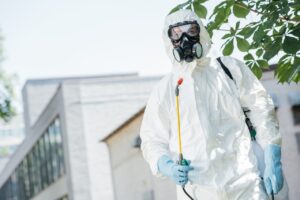
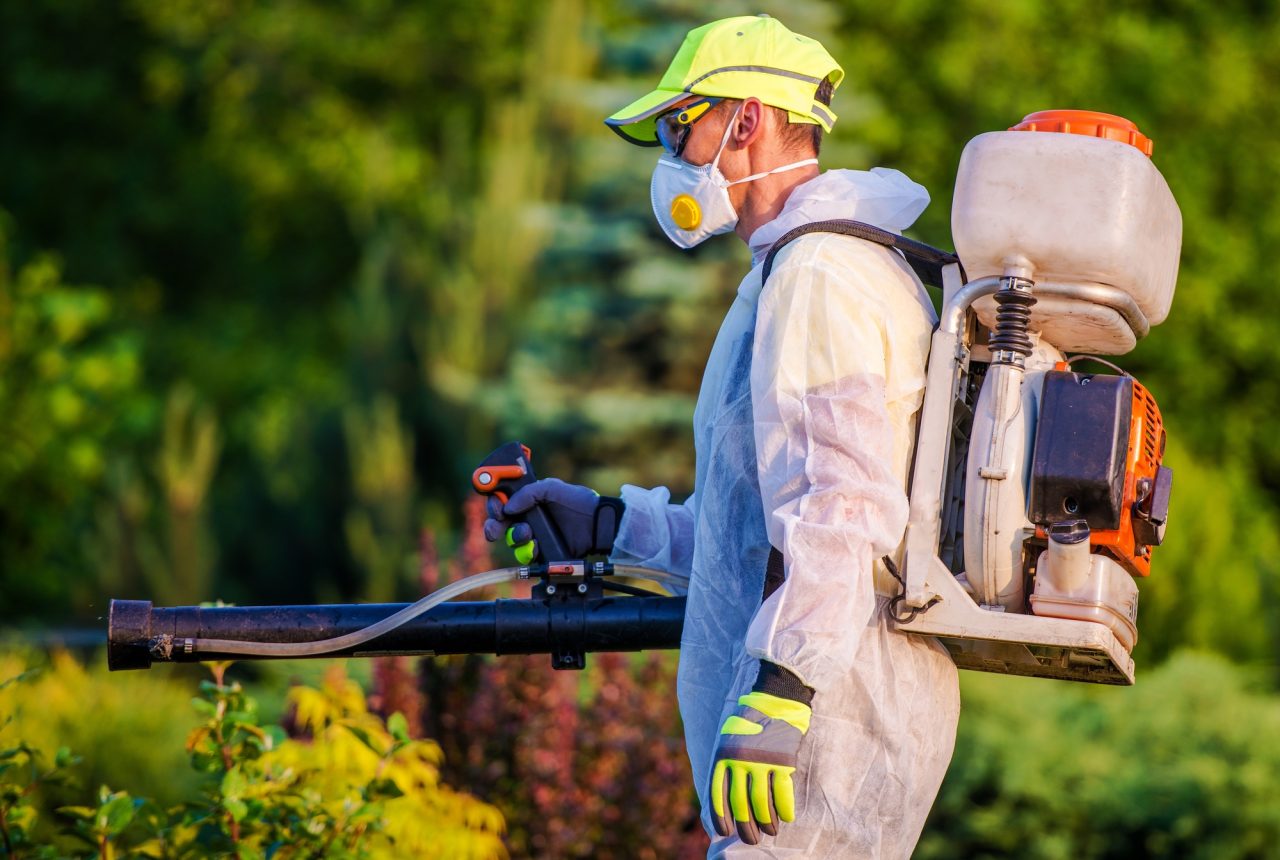
All Zero Trace technicians don OSHA 1910.1030-compliant PPE before entering the work zone — full-face respirators with appropriate cartridges, disposable chemical-resistant coveralls, and nitrile or butyl-rubber gloves. PPE is donned and doffed in the designated decontamination corridor outside the containment zone, preventing any cross-contamination from the work zone to the clean area of the property.
Step 5 — Removal of All Biological Material and Contaminated Contents
All biological material — blood, fluids, tissue — is removed using wet methods to suppress aerosol generation throughout. Contaminated soft goods including carpet, padding, mattresses, bedding, and upholstered furniture are bagged in certified biohazard containers and removed from the property. Personal belongings are cataloged — salvageable items that can be safely decontaminated are treated and returned; items that cannot be safely decontaminated are documented, photographed, and disposed of only with explicit consent of the next of kin or property owner.
Step 6 — Structural Material Removal Where Required
Where penetration testing confirms that biological material has reached below-surface structural components — subfloor, wall cavities, drywall, baseboards, ceiling materials — those materials are carefully removed, documented in a written and photographic removal log for insurance and disclosure purposes, and packaged in RCRA-compliant biohazard containers for licensed medical waste disposal. This step is the single most critical differentiator between genuine remediation and superficial cleanup, and it is performed as a standard step at every scene where penetration is confirmed — never as an optional upgrade.
Step 7 — Hospital-Grade Disinfection — Three-Pass Protocol
All surfaces in the fully contained work zone undergo Zero Trace’s standard three-pass decontamination protocol: initial application of an EPA-registered hospital-grade disinfectant, mechanical scrubbing to disrupt biofilm and embedded contamination, and a final disinfectant application confirming a 99.99% kill rate against HBV, HCV, HIV, MRSA, and all other bloodborne and airborne pathogens present at the scene. Every EPA-registered product used is documented by name and EPA registration number in the project file delivered to the client.
Step 8 — Permanent Molecular Odor Elimination
Odor from blood and biological fluids is not eliminated by cleaning alone — it requires dedicated molecular odor elimination treatment targeting the specific chemical compounds responsible for decomposition and biological odor. Zero Trace deploys ozone treatment (in unoccupied spaces), hydroxyl generators, and thermal fogging with EPA-registered deodorizing agents after all contaminated materials have been physically removed. This sequencing is non-negotiable — no odor treatment can permanently eliminate biological odor while the contamination source remains in place. The result is permanent odor resolution, not temporary masking (CallBiotec; Space City Sanitizers).
Step 9 — Final Inspection, Clearance, and Complete Documentation
Post-remediation inspection confirms complete decontamination and permanent odor resolution. Zero Trace Biohazard delivers a complete documentation package to the property owner: scene assessment report, full work log, personal property catalog with disposition notes, structural materials removal log with photographs, waste disposal manifests, EPA-registered disinfectant product data sheets, and a signed completion certificate. This package is specifically formatted to support homeowners and renters insurance claims, victim compensation program applications, landlord habitability compliance, and state-mandated property disclosure requirements.
Suicide Cleanup in Rental Properties — A Guide for Landlords
When a tenant dies by suicide, landlords face a combination of legal obligation, insurance coordination, and human sensitivity that requires careful navigation. Zero Trace Biohazard has worked with landlords and property managers across all 50 states and provides the following guidance.
The implied warranty of habitability in virtually all U.S. jurisdictions requires that landlords maintain rental properties in a safe, livable condition. A biologically contaminated unit does not meet this standard — the unit cannot be legally re-rented until professional remediation is completed and documented (360haz; Aftermath Services). This obligation falls on the property owner regardless of whether the tenant’s estate cooperates or contributes. Landlords who delay remediation face escalating cleanup costs as biological degradation deepens into structural materials, increasing liability, and potential regulatory exposure.
Property disclosure laws create a second layer of obligation. In California and several other states, the landlord is legally required to disclose deaths on the property to prospective tenants for a specified period after the event. Zero Trace Biohazard’s post-clearance documentation package is specifically formatted to satisfy these disclosure requirements and to provide clear evidence that the property has been professionally remediated to EPA/OSHA-compliant standards (Spaulding Decon; SuicideCleanup.com).
For the insurance claim, the property owner’s building insurance — not the deceased tenant’s renters insurance — covers structural remediation. Zero Trace Biohazard works directly with the property owner’s carrier and formats all claim documentation to insurer requirements. Call (XXX) XXX-XXXX for landlord-specific guidance on any of these issues.
Grief and Support Resources for Suicide Loss Survivors
Zero Trace Biohazard is committed to ensuring that every family we serve knows they are not navigating this loss alone. The following organizations provide free, expert support specifically for suicide loss survivors.
The 988 Suicide and Crisis Lifeline is available 24/7 for anyone in crisis or supporting someone in crisis — call or text 988 at any time. The American Foundation for Suicide Prevention (AFSP) provides survivor support groups, loss resources, and crisis tools specifically designed for those who have lost someone to suicide at afsp.org/ive-lost-someone. The Alliance of Hope for Suicide Loss Survivors provides an online community forum, expert resources, and guides specifically for loss survivors at allianceofhope.org. The American Association of Suicidology (AAS) provides grief guides, handbooks, and referrals for loss survivors at suicidology.org. SAVE (Suicide Awareness Voices of Education) provides empathetic assistance, referrals, and resources at save.org. The 988 Lifeline’s Loss Survivors page (988lifeline.org/help-yourself/loss-survivors) provides curated resources specifically for people who have lost someone to suicide.
Our team can provide additional state-specific resource referrals when we speak with any family. You do not need to be ready to talk about the cleanup to call us — you can call (XXX) XXX-XXXX simply to ask questions, to understand what the process involves, or just to hear a calm voice that has been through this with many families.
Is This Service Right for You?
Best For:
- Families who have lost a loved one to suicide and need compassionate, fully managed professional remediation so that no family member ever has to enter the scene
- Property owners in whose home a suicide has occurred and who need certified cleanup, insurance coordination, and disclosure documentation
- Landlords and property managers whose tenant has died by suicide and who need OSHA-compliant remediation and post-clearance certification before re-occupancy
- Estate executors and attorneys managing a property where a suicide has occurred and who need remediation certification for estate closure and property sale
- Insurance adjusters and claims professionals requiring a certified, documented remediation partner for suicide-related property damage claims
- Any person or entity who has been told by a first responder or coroner that the scene needs professional cleanup and does not know where to begin
Not the Right Fit:
- Suicide scenes where the body was not discovered for an extended period — these require the extended protocols of our Unattended Death Cleanup service
- General cleaning, mold remediation, or environmental services unrelated to trauma or biohazard contamination (see dedicated service pages)
FAQ Section
How much does suicide cleanup cost? Suicide cleanup costs range from $1,500 to $15,000+, with most jobs falling between $2,500 and $7,500 (CallBiotec; Florida Emergency Cleaning 2025). Method is the primary cost driver — firearm-involved scenes with structural penetration into subfloor or wall cavities typically cost $6,000–$10,000 or more. Non-violent method scenes with contained contamination begin at $1,500–$3,000. Zero Trace Biohazard provides a free on-site assessment and complete itemized estimate before any work begins — call (XXX) XXX-XXXX) 24/7.
Does homeowners insurance cover suicide cleanup? In most cases, yes. Homeowners insurance typically covers suicide cleanup when the death occurred inside the insured property and is classified as a sudden, unexpected covered event (SuicideCleanup.com; 360haz; InsuredBetter). Coverage is subject to the policy deductible and applicable limits. Some policies may not cover suicide when the deceased was the policyholder — in those cases, victim compensation programs or estate funds become relevant. Zero Trace Biohazard works directly with insurance carriers, handles all claim documentation, and submits claims on the policyholder’s behalf. Call (XXX) XXX-XXXX for immediate insurance coordination.
Will state victim compensation programs pay for suicide cleanup? All 50 states operate crime victim compensation programs through the Office for Victims of Crime (OVC) and NACVCB, and many specifically include suicide cleanup as an eligible expense when the death is reported to law enforcement. Coverage amounts vary by state. Zero Trace Biohazard assists families in identifying and applying for the applicable state program and provides all required documentation at no additional charge — call (XXX) XXX-XXXX for state-specific guidance.
Who is responsible for cleaning up after a suicide? Once law enforcement releases the scene, the property owner — not the police, not the coroner, and not any government agency — is responsible for cleanup (NCSC; Trauma Services). If the death occurred in a rental property, the landlord bears the legal obligation to remediate the unit before it can be re-occupied, regardless of estate cooperation. Zero Trace Biohazard responds immediately upon scene release, 24/7 nationwide, so that families and property owners do not have to wait.
Does the cleanup company need to know the method of suicide? Our team may gently ask about the method involved in order to dispatch the correct team and equipment for the specific scope of work — particularly to determine whether high-energy structural penetration testing is required. You are never required to share more than you are comfortable sharing. If you prefer not to discuss details, our technicians will assess the scene fully upon arrival and adapt accordingly. There is no judgment and no graphic discussion required.
Why shouldn’t families attempt to clean a suicide scene themselves? DIY suicide cleanup exposes family members to Hepatitis B (which survives on dry surfaces for up to seven days per CDC), Hepatitis C, and HIV — all present in blood at suicide scenes. Household disinfectants do not achieve the 99.99% pathogen kill rate required for safe decontamination. Standard vacuums generate infectious aerosols from dried blood. Disposal of biohazardous waste in the regular trash is illegal in virtually all U.S. states. Beyond physical risks, research confirms that family members who attempt to clean a suicide scene experience significantly elevated rates of PTSD and compounded grief (Alliance Enviro; Aftermath Services). Zero Trace Biohazard eliminates all of these risks and ensures no family member ever has to enter the scene.
How long does suicide cleanup take? A single-room suicide scene with contained contamination and no structural penetration typically takes 4–8 hours from site containment to final documentation. Multi-room scenes, or scenes involving firearm methods where structural material removal is required, typically take 1–3 days. Scenes where biological material has penetrated HVAC systems or extensive structural components may require additional time for removal and odor treatment. Zero Trace Biohazard provides a specific timeline estimate following the initial scene assessment.
Will my neighbors or building management know what happened? No. Zero Trace Biohazard operates with absolute discretion on every engagement. Unmarked vehicles are always available — simply request them when you call. Our technicians wear plain work clothing in public areas of the building and never discuss the nature of the work with anyone except the authorized property owner or their designated representative. All project details, client identity, and the nature of the incident are held in complete confidence by every Zero Trace team member, always.
Does suicide cleanup include odor removal? Yes — permanent molecular odor elimination is a standard component of every Zero Trace Biohazard suicide cleanup engagement, not an optional add-on. After all contaminated materials are physically removed, we deploy ozone treatment, hydroxyl generators, and thermal fogging to eliminate odor molecules at the molecular level (CallBiotec; Space City Sanitizers). This treatment occurs only after source removal is complete — because no odor treatment can permanently eliminate biological odor while the contamination source remains in place. The result is permanent resolution, not temporary masking.
Do landlords have to disclose a suicide to future tenants or buyers? Disclosure requirements vary significantly by state. California requires disclosure of deaths on the property within the past three years. Some states prohibit agents from disclosing suicide. Others require disclosure of material facts affecting property value, which courts have interpreted to include traumatic deaths in some jurisdictions (Spaulding Decon; SuicideCleanup.com). Zero Trace Biohazard’s post-clearance documentation package is formatted to support state-mandated disclosure compliance, and we can advise on the requirements applicable to your specific state — call (XXX) XXX-XXXX.
What if the suicide was not discovered immediately? A suicide that was not discovered promptly — hours to days after the death — may involve the early stages of decomposition in addition to the initial trauma contamination, significantly expanding the scope of remediation required. These scenes are handled under Zero Trace Biohazard’s Unattended Death Cleanup service, which includes the extended protocols for decomposition fluid penetration, HVAC contamination, and intensive molecular odor elimination. Call (XXX) XXX-XXXX and our team will assess the specific situation and advise on the appropriate service.
What documentation does Zero Trace Biohazard provide after suicide cleanup? Zero Trace Biohazard delivers a complete post-remediation documentation package including: scene assessment report, full work log, personal property catalog with disposition notes, structural materials removal log with photographs, waste disposal manifests, EPA-registered disinfectant product data sheets, and a signed completion certificate. This package supports homeowners and renters insurance claims, victim compensation program applications, landlord habitability compliance, state-mandated property disclosure, and property sale documentation. Call (XXX) XXX-XXXX to discuss your specific documentation needs.
Call to Action Block
Zero Trace Biohazard — Compassionate & Discreet Suicide Cleanup, Nationwide, 24/7
Certifications: OSHA 29 CFR 1910.1030 Compliant | IICRC TCST Certified (ANSI/IICRC S540) | GBAC Biohazard Certified | EPA-Registered Disinfectants | Licensed Medical Waste Disposal
You do not have to handle this alone. You do not have to enter the scene. You do not have to manage the insurance. You do not have to know what to do next. We know what to do — and we will take every step of this process off your shoulders with care, compassion, and complete professionalism.
Call (XXX) XXX-XXXX now — available 24 hours a day, 7 days a week, 365 days a year. Unmarked vehicles. Complete confidentiality. Nationwide.
If you or someone you know is in crisis right now, please call or text 988 immediately.
→ Call Now for Immediate Response → Read Our Full Suicide Cleanup FAQ → View All Trauma and Biohazard Services
Grief Support Resources (Dedicated Section — Above Footer)
You are not alone in this. These organizations provide free, expert support for suicide loss survivors:
- 988 Suicide and Crisis Lifeline — Call or text 988, 24/7 — for anyone in crisis or supporting someone in crisis
- American Foundation for Suicide Prevention (AFSP) — afsp.org/ive-lost-someone — survivor support groups and loss resources
- Alliance of Hope for Suicide Loss Survivors — allianceofhope.org — online community and expert resources for loss survivors
- American Association of Suicidology (AAS) — suicidology.org — grief guides and survivor resources
- SAVE (Suicide Awareness Voices of Education) — save.org — survivor assistance and referrals
- 988 Lifeline Loss Survivors — 988lifeline.org/help-yourself/loss-survivors — curated resources for those who have lost someone to suicide
Related Internal Links
- Trauma Cleanup Services — https://www.zerotracebiohazard.com/trauma-cleanup-services
- Unattended Death Cleanup Services — https://www.zerotracebiohazard.com/unattended-death-cleanup-services
- Crime Scene Cleanup Services — https://www.zerotracebiohazard.com/crime-scene-cleanup-services
- Biohazard Cleaning Services — https://www.zerotracebiohazard.com/biohazard-cleaning-services
- Biohazard Cleanup FAQ — https://www.zerotracebiohazard.com/biohazard-cleanup-faq
- Contact Us — https://www.zerotracebiohazard.com/contact-us