
Hoarding disorder affects an estimated 2–6% of the U.S. population and creates living environments that range from cluttered to severely dangerous — with compacted debris, mold colonies, animal waste, decomposing food, structural damage, and biohazardous materials all common features of moderate-to-severe hoarding scenes. Whether you are a family member seeking help for a loved one, a landlord managing a contaminated property, a property manager, or an estate executor responsible for a hoarder house, professional hoarding cleanup is not optional at Levels 3 through 5 — it is a health and safety necessity. Zero Trace Biohazard provides OSHA-compliant, IICRC-certified hoarding cleanup nationwide, 24 hours a day, 7 days a week. We treat every client and every home with the dignity, discretion, and compassion this work demands. Call (XXX) XXX-XXXX for a confidential, free on-site assessment.
TL;DR — Key Facts at a Glance
- Cost Range: $1,000–$25,000+ depending on hoarding severity level, property size, biohazard content, and structural damage
- National Average: $3,000–$15,000 for most residential projects (BioSweep 2025, WV Funeral Board 2025)
- Severe Cases: $15,000–$30,000+ for Level 4–5 whole-property scenes with biohazards and structural remediation
- Hourly Rate: $25–$150/hr per technician; most companies quote by project scope
- NSGCD Hoarding Scale: Levels 1–5; Levels 3–5 require professional intervention
- Certifications: OSHA 29 CFR 1910.1030, IICRC HST (Health & Safety Technician), IICRC TCST (for biohazard components), GBAC
- Insurance: Standard homeowners policies may cover associated damage (fire, water, mold) but not general clutter removal; Zero Trace coordinates insurance claims
- Fair Housing / ADA: Hoarding disorder is a recognized disability under the Fair Housing Act and ADA; eviction without accommodation process may violate federal law
- Service Area: All 50 states, residential and commercial, 24/7/365
- Privacy: Unmarked vehicles, discreet service, full confidentiality
- Timeline: 1 day (Level 1–2), 3–7 days (Level 3), 1–2 weeks (Level 4–5 whole-property)
Quick Facts
| Feature | Detail |
| Company | Zero Trace Biohazard |
| Phone | (XXX) XXX-XXXX |
| Service Area | All 50 States |
| Availability | 24/7, 365 Days a Year |
| Level 1–2 (Mild–Moderate) | $1,000–$5,000 |
| Level 3 (Heavy Clutter + Biohazard) | $5,000–$10,000 |
| Level 4–5 (Severe + Structural) | $10,000–$25,000+ |
| Extreme / Whole-Property | $15,000–$30,000+ |
| Hourly Rate (Per Tech) | $25–$150/hr |
| National Average | $3,000–$15,000 |
| Certifications | OSHA 29 CFR 1910.1030; IICRC HST; IICRC TCST; GBAC |
| Disinfectant Standard | EPA-Registered; 99.99% Pathogen Kill Rate |
| Insurance | May Cover Fire/Water/Mold Damage Components |
| ADA / Fair Housing | Hoarding Disorder Recognized as Disability |
| Privacy | Unmarked Vehicles; Full Confidentiality |
| Odor Removal | Ozone, Hydroxyl Generators, Thermal Fogging |
| Animal Hoarding | Specialized Protocols; ASPCA Coordination Available |
| Timeline (Level 3) | 3–7 Days |
| Timeline (Level 4–5) | 1–2+ Weeks |
| Documentation | Full Clearance Certificate & Remediation Report |
What Is Hoarding Cleanup?
Hoarding cleanup — also called hoarder house cleanup, hoarding remediation, or clutter and biohazard remediation — is the professional process of safely assessing, sorting, removing, disinfecting, deodorizing, and certifying a hoarded living or commercial space. It is categorically distinct from standard junk removal or general cleaning services, which are not equipped to identify or safely remediate the biological hazards, structural risks, and toxic exposures that characterize moderate-to-severe hoarding environments.
Hoarding disorder, as defined by the DSM-5, is a recognized psychiatric condition characterized by persistent difficulty discarding possessions, regardless of their actual value, resulting in the accumulation of clutter that congests and compromises living spaces. The disorder is recognized as a disability under the Fair Housing Act (FHA) and the Americans with Disabilities Act (ADA), a legal dimension that directly affects how landlords, property managers, and housing authorities must approach cleanup and eviction proceedings involving tenants with hoarding disorder.
At its most severe, a hoarded property is a multi-layered biohazard environment. Decomposing food, rodent infestations, animal waste (in animal hoarding scenarios), fecal and urine saturation, mold colonies, pest carcasses, drug paraphernalia, and — in some cases — undiscovered human remains may all be present beneath accumulated debris. The compacted weight of stored materials can also compromise structural integrity, including floor joists, ceilings, and load-bearing walls, creating physical danger for anyone entering without a trained safety assessment.
The Five Levels of Hoarding — What They Mean for Cleanup Scope
The National Study Group on Chronic Disorganization (NSGCD), in conjunction with the Institute for Challenging Disorganization (ICD), has established a five-level Clutter-Hoarding Scale that professionals use to assess hoarding severity and determine appropriate scope of intervention. Understanding where a property falls on this scale is the first step in planning a safe and effective remediation.
Level 1 — Light Clutter (Mild)
A Level 1 home has light, manageable clutter that most observers would consider within normal limits. Doorways and stairways are accessible, there are no unusual odors, and there are no significant sanitation concerns. Professional cleanup at this level is typically elective rather than urgent and focuses on decluttering, donation coordination, and general organization. Estimated Cost: $500–$1,500.
Level 2 — Moderate Clutter (Early Hoarding Symptoms)
A Level 2 home shows evidence of early hoarding behavior — one or more rooms partially obstructed, minor odors from organic material or pet waste, and evidence of insect activity. Some appliances or fixtures may be nonfunctional. Doorways are still navigable. Light cleaning and decluttering, combined with sorting and basic disinfection, are typically sufficient. Estimated Cost: $1,000–$3,000.
Level 3 — Heavy Clutter (Significant Hoarding)
A Level 3 home has clutter that significantly obstructs multiple rooms, visible rodent or insect activity, moderate to strong odors, compromised HVAC function, at least one hazardous area (bathroom, kitchen, or bedroom unusable), and evidence of minor structural damage. Biohazard components (animal waste, fecal matter, urine saturation, decomposing food) are typically present. Professional teams with OSHA-compliant PPE and biohazard protocols are required. Estimated Cost: $2,000–$5,000+ (BioSweep 2025, ICD 2025).
Level 4 — Severe Hoarding
A Level 4 home shows structural damage to walls, flooring, or ceilings from the weight or moisture of accumulated materials, significant mold growth, sewage backup or plumbing failure, rodent or bat infestations, and multiple rooms rendered completely inaccessible. Animal hoarding at this level typically involves dozens of animals with extensive fecal saturation of flooring and walls. Structural engineering assessment may be required before cleanup teams can safely enter. Estimated Cost: $5,000–$15,000+.
Level 5 — Extreme / Whole-Property Hazard
A Level 5 home is a whole-property biohazard in which the building may be structurally unsound, utilities are disconnected or non-functional, no running water or electricity is available, extensive human or animal waste is present throughout, and — in some cases — deceased animals or undiscovered human remains are present. These scenes require the most intensive multi-disciplinary intervention: licensed structural assessment, full biohazard remediation, hazardous material abatement (mold, asbestos, lead paint if disturbed), and in many cases partial or full structural demolition and rebuild. Estimated Cost: $15,000–$30,000+.
Health Risks Inside a Hoarded Home
The health risks present in a hoarded home increase exponentially as the hoarding level increases. Families, executors, and well-meaning volunteers who enter a Level 3–5 hoarded property without proper PPE and professional guidance place themselves at serious risk across several categories.
Biological and Pathogen Hazards
Rodent droppings and urine are carriers of Hantavirus, Salmonella, Leptospirosis, and Rat-Bite Fever. Animal waste from cats, dogs, birds, and other animals carries Toxoplasmosis, Campylobacter, E. coli, and other zoonotic pathogens. Decomposing food and organic matter harbor Staphylococcus, Listeria, and a range of pathogenic molds. In homes where the occupant was ill or where an unattended death occurred, blood and other potentially infectious materials (OPIM) subject to OSHA’s Bloodborne Pathogens Standard (29 CFR 1910.1030) may be present throughout the debris field. Fecal matter — human or animal — saturating porous materials represents one of the most complex pathogen environments in residential remediation.
Respiratory Hazards
Mold spore concentrations in severely hoarded homes frequently exceed safe indoor air quality thresholds by orders of magnitude. Dust accumulations of decades, combined with rodent dander, insect frass, decomposing organic matter, and deteriorating building materials, create particulate hazards that can trigger acute asthma attacks, allergic reactions, and — with prolonged exposure — chronic respiratory disease. In homes where building materials disturbed during cleanup contain asbestos or lead paint, additional respiratory protection protocols are required.
Structural and Physical Hazards
The compacted weight of accumulated materials — particularly books, paper, furniture, and appliances stacked to ceiling height — places extraordinary loads on residential floor joists and structural members designed for normal occupancy loads. Floor collapse, wall failure, and falling debris are documented risks in Level 4–5 hoarding cleanup. Electrical hazards are common in homes where wiring has been compromised by rodents, water intrusion, or overloaded circuits. Plumbing failures from non-use, freeze damage, or blockage create sewage backup risks.
Psychological Hazards
The psychological impact on family members, friends, or volunteers attempting to sort through a loved one’s accumulated possessions — particularly in a post-death estate scenario — is profound and well-documented. Direct exposure to the physical environment of severe hoarding without professional mediation is associated with acute traumatic stress. Zero Trace Biohazard’s approach includes a client-centered sorting consultation, clear communication throughout the process, and respectful handling of all personal items to protect both the physical safety and emotional wellbeing of the family.
Types of Hoarding Cleanup Scenes We Handle
Zero Trace Biohazard responds to every category of hoarding cleanup scenario, from single-room interventions to whole-property Level 5 remediations.
Residential Object Hoarding Cleanup
The most common hoarding scenario involves the accumulation of objects — newspapers, clothing, furniture, household goods, electronics, food packaging, and miscellaneous items — throughout a residential property. Scope ranges from single-room organization and decluttering at Level 1–2 to full whole-property biohazard remediation with structural assessment at Level 4–5.
Animal Hoarding Cleanup
Animal hoarding is a distinct subtype involving the accumulation of companion animals — cats, dogs, birds, reptiles, or others — in numbers far beyond the capacity of the living space to support. Animal hoarding cleanup is among the most contamination-intensive scenarios in the industry. Fecal matter and urine from dozens or hundreds of animals saturate every porous surface — carpet, sub-floor, drywall, insulation, and structural wood — to a depth that typically requires full material removal rather than surface treatment alone. Ammonia off-gassing from concentrated urine creates acute respiratory hazards. Animal remains may be present throughout the property. ASPCA or local animal control coordination may be required prior to cleanup entry. Estimated Cost: $10,000–$30,000+.
Estate and Post-Death Hoarding Cleanup
Estate hoarding cleanup is triggered when a property owner passes away and family members or estate executors discover a severely hoarded home for the first time. These scenes may combine hoarding contamination with decomposition elements — particularly when the death was not discovered immediately — adding bloodborne pathogen protocols to the standard hoarding cleanup scope. Estate cleanup requires both compassionate client communication and full legal documentation for probate, insurance, and property sale purposes.
Landlord / Property Management Hoarding Cleanup
When a tenant with hoarding disorder vacates, is evicted, or passes away, the property owner typically bears full responsibility for remediating the unit to habitable standards before re-letting. These scenes require thorough documentation — photographs, remediation reports, waste manifests, and a clearance certificate — to support insurance claims, security deposit disputes, and legal proceedings. Zero Trace Biohazard provides all required documentation to landlords and property managers.
Commercial / Industrial Hoarding Cleanup
Hoarding behavior in commercial, warehouse, or office settings creates its own category of OSHA exposure and liability concerns. Obstructed egress, fire hazards from paper and flammable material accumulation, pest infestations, and biohazard components require professional commercial-grade remediation with full regulatory compliance documentation.
Full Scope of Zero Trace Hoarding Cleanup Services
Zero Trace Biohazard’s hoarding cleanup service covers every component required to take a property from condemned-condition to certified safe and habitable.
The service begins with a comprehensive on-site assessment and scope-of-work development, in which a certified technician walks the entire property, identifies all biohazard components, documents structural concerns, maps odor sources, and identifies the presence of mold, asbestos, lead paint, or other hazardous materials that will require specialist abatement concurrent with or preceding cleanup. A written scope of work is presented to the client before any work begins, with no hidden costs.
Client-centered sorting consultation is a defining element of the Zero Trace approach. Before any item is removed, a client representative (family member, estate executor, or property owner) is consulted regarding items they wish to retain, items to be donated, recyclable materials, and items designated for disposal. All personal documents, photographs, financial records, medications, and items of identified sentimental value are segregated and protected throughout the process. We do not discard any item without client authorization.
Debris removal and junk hauling encompasses the systematic removal of all accumulated materials designated for disposal, including furniture, appliances, boxes, paper, food waste, clothing, and general accumulation. All materials are sorted for recyclability and donation eligibility where possible, reducing landfill volume and maximizing recovery value for the client.
Biohazard remediation addresses all biological contamination present in the property — including fecal matter, urine saturation, animal waste, decomposing food and organic matter, rodent droppings, blood or OPIM (if present), and pest carcasses. All biohazardous materials are removed, packaged in certified red biohazard bags, manifested, and transported to a licensed TSDF in compliance with RCRA and DOT regulations. This component is performed in full OSHA-compliant PPE including Tyvek suits, gloves, respirators, and face shields.
Structural material removal, when required, involves the removal of irreversibly contaminated flooring, sub-flooring, carpet padding, drywall, baseboard, and insulation that cannot be effectively decontaminated in place — a common requirement in Level 4–5 animal hoarding or urine-saturated environments. This work is coordinated with licensed contractors for rebuild and finishing.
Mold assessment and remediation is incorporated when mold growth — a near-universal finding in Level 3–5 hoarded properties — is identified during the initial assessment. Mold remediation follows IICRC S520 protocols and EPA guidelines, and is performed by certified technicians using containment, negative-pressure air filtration, HEPA vacuuming, and EPA-registered fungicides.
Deep cleaning and hospital-grade disinfection is applied to all remaining surfaces following debris removal and biohazard remediation, using EPA-registered, hospital-grade disinfectants at proper concentration and dwell time to achieve a 99.99% pathogen kill rate across all treated surfaces.
Permanent molecular odor elimination deploys industrial ozone generators, hydroxyl radical generators, and thermal fogging equipment to permanently eliminate biological odor compounds — including ammonia from urine saturation, decomposition VOCs, mold off-gassing, and pet dander odor — at the molecular level. This is a critical step in hoarding cleanup because persistent odor, even after visual cleaning, indicates residual biological contamination.
Final inspection, clearance testing, and documentation concludes every project with a post-remediation inspection, ATP surface testing where indicated, and air quality sampling when mold remediation has been performed. A complete documentation package is provided to the client, including the remediation report, waste manifests, mold clearance report (if applicable), disinfectant product data sheets, and a signed clearance certificate confirming the property meets re-occupancy safety standards.
Hoarding Cleanup Cost Breakdown by Level
The cost of professional hoarding cleanup is driven primarily by the NSGCD hoarding level, the total square footage affected, the presence and extent of biohazard components, and whether structural material removal, mold remediation, or hazardous material abatement is required.
| Hoarding Level | Condition Description | Typical Cost Range |
| Level 1 — Mild | Light clutter, no biohazards, all rooms accessible | $500–$1,500 |
| Level 2 — Moderate | Multiple rooms cluttered, minor odor, some pest activity | $1,000–$3,000 |
| Level 3 — Heavy | Significant obstruction, biohazard components, mold likely | $3,000–$7,000 |
| Level 4 — Severe | Structural damage, heavy animal waste/fecal saturation, infestations | $7,000–$15,000+ |
| Level 5 — Extreme | Whole-property hazard, structural unsoundness, utilities compromised | $15,000–$30,000+ |
| Animal Hoarding (Severe) | Fecal/urine saturation throughout, structural removal required | $10,000–$30,000+ |
| Estate Hoarding + Decomp | Combines hoarding + unattended death protocols | $15,000–$50,000+ |
| Hourly Rate (Per Technician) | Used for smaller or access-limited areas | $25–$150/hr |
Key cost drivers
In hoarding cleanup include the total square footage affected, the number of animals present (in animal hoarding), the depth of fecal or urine saturation into structural materials, the extent of mold growth, whether asbestos or lead paint is present in disturbed materials, the volume of debris requiring hauling and disposal, and the timeline pressure of the project (estate, eviction, insurance deadlines).
Who Pays for Hoarding Cleanup?
Understanding who bears financial responsibility for hoarding cleanup — and what assistance is available — is one of the most common questions families and property owners ask. The answer depends on the ownership structure, the triggering event, and the applicable insurance coverages.
Homeowners Insurance
Standard homeowners insurance does not typically cover the cost of clutter removal or general hoarding cleanup as a standalone line item. However, homeowners insurance may cover associated damage components when hoarding has led to a specific covered peril event — such as a mold remediation claim following moisture damage caused by blocked ventilation, a fire damage claim, or a water damage claim from a hoarding-related plumbing failure. Zero Trace Biohazard’s documentation process is structured to support insurance claims for all covered components of a hoarding remediation project. Call (XXX) XXX-XXXX for guidance on navigating coverage for your specific situation.
Landlord and Property Owner Responsibility
When a tenant with hoarding disorder vacates or is evicted, the property owner bears primary responsibility for restoring the unit to habitable conditions. This cost may be recoverable through the tenant’s security deposit — though severe Level 4–5 cleanup costs typically far exceed deposit amounts — through civil litigation, or through the landlord’s property insurance policy for covered damage components (mold, structural, fire, or water damage). Landlords operating under Section 8 or HUD housing programs have additional obligations under federal habitability standards.
The Fair Housing Act and ADA — What Landlords Must Know
Hoarding disorder is recognized as a mental health disability under the Fair Housing Act (FHA) and, where applicable, the Americans with Disabilities Act (ADA). This has significant legal implications for landlords seeking to evict a tenant on the basis of hoarding behavior. Before proceeding with eviction, landlords are typically required to offer a reasonable accommodation — such as a structured cleanup agreement with professional assistance — before terminating tenancy. Failure to follow the FHA accommodation process can expose landlords to federal discrimination claims. Zero Trace Biohazard works with housing attorneys, social service agencies, and property managers to coordinate legally defensible, compassionate cleanup plans. Always consult a housing attorney before initiating eviction proceedings in a hoarding context.
Estate and Family Out-of-Pocket
In estate cleanup scenarios, hoarding cleanup costs are typically paid from the estate before distribution of assets, or directly by family members if the estate lacks sufficient funds. These costs are legitimate deductions from the estate for tax and probate purposes. Zero Trace Biohazard provides detailed invoicing suitable for probate court submission.
State and Local Financial Assistance
Several states and municipalities offer financial assistance programs for low-income homeowners facing health and safety hazards including hoarding conditions — particularly for elderly residents and individuals with documented disabilities. Local Area Agencies on Aging (AAA), community development organizations, and social service agencies may be able to connect individuals with grant funding or subsidized cleanup services. Call (XXX) XXX-XXXX and our team will assist in identifying applicable programs in your area.
DIY vs. Professional Hoarding Cleanup
| Factor | DIY Cleanup | Zero Trace Biohazard |
| Biohazard Identification | Untrained; hidden risks missed | Certified assessment; full hazard mapping |
| Pathogen Protection | Inadequate PPE; exposure risk | Full OSHA-compliant PPE suite |
| Structural Safety Assessment | None | Pre-entry structural evaluation |
| Mold Handling | Disturbs spores; spreads contamination | IICRC S520 containment and remediation |
| Waste Disposal | Typically non-compliant | Licensed TSDF; manifested disposal |
| Odor Elimination | Masking products; temporary | Permanent molecular elimination |
| Sorting / Client Consultation | No professional guidance | Compassionate, client-centered process |
| Insurance Documentation | None | Full documentation package for claims |
| Legal Compliance | Risk of OSHA / state violations | Fully compliant, all 50 states |
| Clearance Certification | None | Written clearance certificate provided |
| Psychological Impact | Direct exposure to trauma environment | Professional buffer; family protected |
| Timeline | Unpredictable; often incomplete | Structured schedule with completion guarantee |
Attempting to clean a Level 3–5 hoarded property without professional training and equipment creates compounded risks that go far beyond the original contamination. Disturbing accumulated debris stirs mold spores, rodent feces particles (which can carry Hantavirus aerosolized within seconds of disturbance), and decomposing organic matter into the breathing zone. Structural instability may not be visible until a floor joist fails underfoot. The psychological weight of sorting a loved one’s belongings in a severely contaminated environment is among the most emotionally demanding experiences a person can face, and direct, unmediated exposure is associated with acute traumatic stress.
Professional hoarding cleanup does not just remove the debris — it identifies and safely remediates every hazard, protects the family from direct exposure to the trauma environment, and delivers a certified, documented outcome that supports insurance claims, property resale, and legal proceedings.
The Zero Trace 9-Step Hoarding Cleanup Process
Step 1 — Immediate Response and On-Site Assessment
Upon arrival, a Zero Trace certified project manager conducts a thorough walk-through of the entire property, documenting all contamination categories, biohazard components, structural concerns, mold growth, pest activity, and the presence of any hazardous materials (asbestos, lead, chemicals). A written scope-of-work and itemized estimate are provided to the client before any work begins. The property is assigned a hoarding level per the NSGCD scale, and a phased cleanup plan is established.
Step 2 — Client Sorting Consultation
Before a single item is removed, a client representative reviews the property room by room with the Zero Trace project manager. Items are designated as: Keep, Donate/Recycle, or Dispose. All personal documents, photographs, financial records, medications, and identified sentimental items are segregated and secured. Nothing is discarded without explicit client authorization. This step is central to our compassionate approach and protects the client’s interests throughout the project.
Step 3 — Safety Setup, Containment, and PPE Deployment
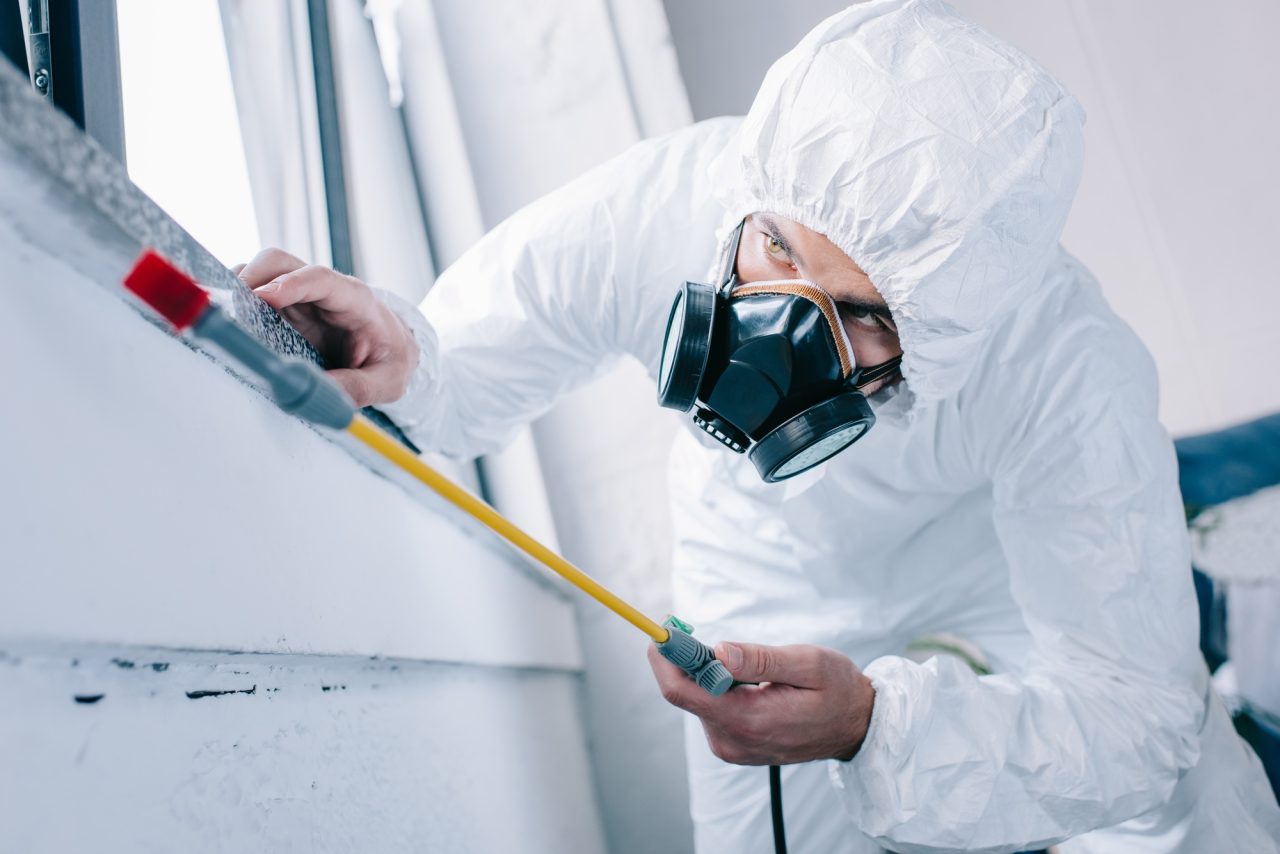
The property is assessed for structural safety before full crew entry. Negative-pressure containment is established for any areas with confirmed biohazard contamination to prevent cross-contamination of clean areas. All technicians don full OSHA-compliant PPE — Tyvek protective suits, nitrile gloves, respirators, safety glasses or full face shields, and protective boot covers — before entering contaminated spaces.
Step 4 — Systematic Debris Removal and Junk Hauling
The removal phase proceeds room by room in a structured sequence, working from the most accessible areas inward. Debris is sorted for recyclability and donation eligibility throughout the process. All materials are transported by Zero Trace crew to appropriate disposal or donation facilities. Large furniture, appliances, and bulk accumulations are handled with proper equipment to prevent structural damage during removal.
Step 5 — Biohazard Remediation
All biological contamination identified during assessment — fecal matter, urine saturation, animal waste, decomposing food, rodent droppings, blood or OPIM, and pest carcasses — is carefully removed by trained technicians in full PPE. Contaminated materials are double-bagged in certified red biohazard bags, labeled with biohazard symbols, and manifested for licensed disposal at a TSDF. This step requires OSHA 29 CFR 1910.1030 compliance and is not performed by general cleaning or junk removal companies.
Step 6 — Structural Material Removal (If Required)
When fecal, urine, or other biological contamination has penetrated sub-flooring, carpet padding, drywall, insulation, or baseboard beyond the effective reach of surface decontamination, those structural materials are cut, removed, and contained for licensed disposal. This step is particularly common in animal hoarding scenarios and Level 4–5 urine-saturated environments. Structural removal creates the clean substrate necessary for effective disinfection and prevents long-term pathogen reservoirs from remaining in the building envelope.
Step 7 — Mold Remediation (If Required)
When mold growth is identified during initial assessment — as it is in the majority of Level 3–5 hoarded properties — a dedicated mold remediation phase is executed following IICRC S520 protocols. Containment barriers and negative-pressure HEPA air filtration prevent mold spore spread during removal. HEPA vacuuming, physical removal of mold-bearing material, and application of EPA-registered fungicides are performed in sequence. Air quality clearance testing confirms successful remediation before the space is returned to service.
Step 8 — Hospital-Grade Disinfection and Permanent Odor Elimination
Following debris removal, biohazard remediation, and structural removal, all remaining surfaces receive three-pass application of EPA-registered, hospital-grade disinfectant at proper concentration and dwell time, achieving a 99.99% pathogen kill rate. Permanent molecular odor elimination is then performed using industrial ozone generators, hydroxyl radical generators, and thermal fogging — targeting ammonia from urine, biological VOCs from decomposition and organic matter, pet dander compounds, and mold off-gassing — to eliminate odor permanently at the molecular level rather than masking it temporarily.
Step 9 — Final Inspection, Clearance Testing, and Documentation
A comprehensive post-remediation inspection is conducted by the project manager, including ATP surface testing and, where mold remediation was performed, post-remediation air quality sampling. Upon passing clearance, a complete documentation package is prepared for the client: the full remediation report, waste manifests, mold clearance report (if applicable), disinfectant product data sheets, and a signed clearance certificate confirming the property meets re-occupancy safety standards. This documentation package supports insurance claims, probate proceedings, property resale, and landlord-tenant legal actions.
Is This Service Right for You?
Zero Trace Biohazard’s hoarding cleanup service is the appropriate solution for the following individuals and situations: family members seeking compassionate, professional help clearing a loved one’s hoarded home; estate executors and attorneys responsible for a hoarded property in probate; landlords and property managers managing a contaminated rental unit following tenant death or eviction; property owners facing a municipal code violation, health department order, or insurance inspection failure due to hoarding conditions; social service agencies coordinating intervention for elderly or disabled clients; and commercial property managers responsible for a hoarded office or warehouse space.
This service is not a substitute for psychiatric or social work intervention — Zero Trace can refer clients to qualified mental health and social service professionals as part of the overall support network. It is also not a routine cleaning or junk removal service for homes without biohazard components — for those situations, a general cleaning or junk removal company is appropriate.
Frequently Asked Questions
How much does hoarding cleanup cost?
Professional hoarding cleanup costs range from $500–$1,500 for a mild Level 1 home to $15,000–$30,000+ for a severe Level 4–5 whole-property scene with biohazards and structural remediation. Most residential jobs fall between $3,000 and $15,000, with a typical Level 3 single-family home running $5,000–$10,000 depending on square footage and biohazard content (BioSweep 2025, WV Funeral Board 2025). Animal hoarding cleanup with full fecal saturation typically runs $10,000–$30,000+. Call (XXX) XXX-XXXX for a free on-site assessment and written estimate.
What is the NSGCD hoarding scale and which levels require professional cleanup?
The NSGCD (National Study Group on Chronic Disorganization) five-level Clutter-Hoarding Scale rates hoarding severity from Level 1 (light clutter, no health hazards) to Level 5 (whole-property hazard, structural unsoundness, biohazards throughout). Levels 3, 4, and 5 require professional cleanup — the presence of biohazards, mold, structural risk, and OSHA-regulated materials makes untrained entry dangerous. Levels 1 and 2 may be addressable with organized family assistance, though professional guidance is always beneficial.
Does homeowners insurance cover hoarding cleanup?
Standard homeowners insurance does not typically cover general clutter removal as a standalone service. However, it may cover specific damage components caused by hoarding conditions — such as mold remediation, water damage from plumbing failure, or fire damage — when those conditions constitute covered perils under the policy. Zero Trace Biohazard coordinates directly with insurance adjusters and provides full documentation to maximize covered reimbursement. Call (XXX) XXX-XXXX for insurance guidance specific to your situation.
Who is legally responsible for hoarding cleanup in a rental property?
The property owner or landlord bears primary legal responsibility for restoring a rental unit to habitable conditions following a hoarding event. This obligation arises under the implied warranty of habitability in most states. Before initiating eviction proceedings against a tenant with hoarding disorder, landlords must typically offer a reasonable accommodation under the Fair Housing Act and ADA — failure to do so can expose landlords to federal discrimination liability. Zero Trace Biohazard works with landlords, housing attorneys, and social service agencies to coordinate compliant, compassionate cleanup plans.
Can I clean a hoarded home myself?
DIY cleanup of a Level 3–5 hoarded home is strongly discouraged and potentially dangerous. Hidden risks include Hantavirus exposure from disturbed rodent droppings, mold spore inhalation, structural collapse, electrical hazards, and exposure to OSHA-regulated biohazardous materials. DIY waste disposal of biohazardous materials also violates RCRA and state medical waste regulations. Professional hoarding cleanup protects the health of everyone involved, ensures full legal compliance, and delivers a certified outcome that DIY cleanup cannot provide.
How long does hoarding cleanup take?
Timeline depends on the hoarding level and property size. A Level 1–2 cleanup typically takes 1 day. A Level 3 single-family home typically takes 3–7 days. A Level 4–5 whole-property remediation typically takes 1–2 weeks or more, with animal hoarding scenes and those requiring structural material removal or mold remediation at the longer end of the range. A project timeline is provided during the on-site assessment before work begins.
What is animal hoarding cleanup and why is it more expensive?
Animal hoarding — the accumulation of companion animals in numbers far exceeding the capacity of the living space — creates some of the most contamination-intensive cleanup environments in residential remediation. Concentrated fecal matter and urine from dozens or hundreds of animals saturates every porous surface to structural depth, requiring full material removal (carpet, sub-floor, drywall, insulation) rather than surface treatment alone. Ammonia off-gassing from concentrated urine creates acute respiratory hazards requiring respirator use throughout the project. Animal hoarding cleanup typically costs $10,000–$30,000+ and may require ASPCA or animal control coordination before the cleanup team can safely enter.
Is hoarding a disability under the Fair Housing Act?
Yes. Hoarding disorder is a recognized mental health disability under the Fair Housing Act (FHA) and the Americans with Disabilities Act (ADA). This means that housing providers — including landlords, property managers, and public housing authorities — are legally required to consider reasonable accommodations for tenants with hoarding disorder before terminating tenancy. This is a complex area of law with significant liability implications. Always consult a housing attorney, and call (XXX) XXX-XXXX for guidance on coordinating a cleanup plan that is legally defensible and compassionate.
What happens to items found during the cleanup?
Nothing is discarded without explicit client authorization. Before cleanup begins, Zero Trace conducts a client sorting consultation in which all items are reviewed and categorized as Keep, Donate/Recycle, or Dispose. Personal documents, photographs, financial records, medications, and identified sentimental items are always segregated and secured. Donations are coordinated with local charities. All disposals comply with applicable waste regulations. Personal items of significant financial value — jewelry, collectibles, antiques — are flagged for client review.
Will the odor from a hoarded home be permanently eliminated?
Yes — when industrial molecular odor elimination technologies are properly deployed. Ammonia from urine saturation, biological VOCs from decomposing organic matter, pet dander compounds, and mold off-gassing are all permanently eliminated through Zero Trace’s staged application of ozone generation, hydroxyl radical treatment, and thermal fogging. These technologies break down odor compounds at the molecular level, providing permanent elimination rather than temporary masking with surface deodorizers.
Do you handle mold found during hoarding cleanup?
Yes. Mold growth is present in the majority of Level 3–5 hoarded properties due to the moisture-trapping effect of accumulated debris, blocked ventilation, and plumbing failures. Zero Trace Biohazard incorporates IICRC S520-compliant mold remediation into the hoarding cleanup scope when mold is identified during assessment, using containment, negative-pressure air filtration, HEPA vacuuming, material removal, EPA-registered fungicide treatment, and post-remediation air quality testing. The mold clearance report is included in your final documentation package.
Do you provide a clearance certificate after hoarding cleanup?
Yes. Upon completing all remediation phases and passing final inspection and clearance testing, Zero Trace Biohazard provides a complete documentation package including the remediation report, waste manifests, mold clearance report (if applicable), disinfectant product data sheets, clearance test results, and a signed clearance certificate confirming the property meets re-occupancy, habitability, and safety standards. This documentation is essential for insurance claims, probate proceedings, landlord-tenant legal actions, and property resale.
🏠 Need Hoarding Cleanup Now?
Zero Trace Biohazard provides certified, compassionate, discreet hoarding cleanup nationwide — 24 hours a day, 7 days a week, every day of the year.
📞 Call (XXX) XXX-XXXX — Immediate Response, Free On-Site Assessment
✅ OSHA 29 CFR 1910.1030 Compliant ✅ IICRC-Certified Technicians (HST & TCST) ✅ EPA-Registered Disinfectants — 99.99% Pathogen Kill Rate ✅ Mold Remediation (IICRC S520) Included When Required ✅ Insurance Coordination — We Work With Your Carrier ✅ Compassionate Client Sorting Consultation ✅ Unmarked Vehicles — Full Discretion ✅ Complete Documentation & Clearance Certificate Provided
[Schedule a Free Assessment] | [View All Services] | [Insurance & Payment FAQ]