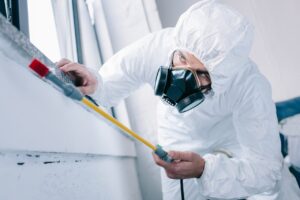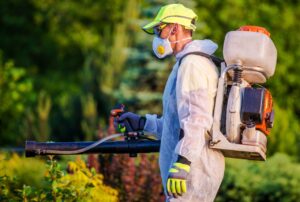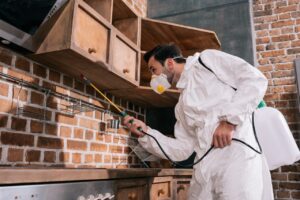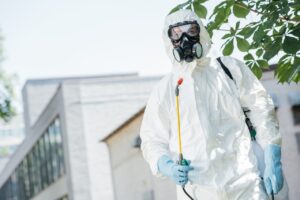
Gross filth is not ordinary dirt or clutter — it is an extreme level of contamination involving human and animal waste, rotting food and organic matter, mold colonies, insect and rodent infestations, animal carcasses, toxic gases, and accumulated biohazardous material that creates immediate and serious health risks for anyone who enters the property. Gross filth conditions are most commonly associated with severe hoarding disorder, Diogenes syndrome (self-neglect), elder neglect, unattended death scenes, and long-term property abandonment.
Zero Trace Biohazard provides professional, certified gross filth cleanup services 24 hours a day, 7 days a week, in all 50 states. Our teams are trained under OSHA 29 CFR 1910.1030 (Bloodborne Pathogens), OSHA 29 CFR 1910.120 (HAZWOPER), and IICRC standards (TCST, HST), and we use only EPA-registered hospital-grade disinfectants to ensure complete pathogen elimination. We handle everything from biohazard removal and structural disinfection to permanent odor elimination and final clearance documentation — with complete discretion and compassion. Call (XXX) XXX-XXXX for a free on-site assessment.
TL;DR — Key Facts About Gross Filth Cleanup
| Detail | Summary |
| Typical Cost Range | $500 – $30,000+ depending on severity, square footage, and biohazard type |
| National Average | $3,000 – $7,000 for moderate single-property cases |
| Hourly Rate | $150 – $300 per technician |
| Primary Hazards | Human/animal waste, mold, toxic gases (ammonia, H₂S), rodent waste, insect infestations, animal carcasses, bloodborne pathogens |
| Key Pathogens | C. diff, Hepatitis A, Norovirus, E. coli, Salmonella, Leptospira, Hantavirus, MRSA, Giardia, Cryptosporidium |
| Certifications Required | OSHA 29 CFR 1910.1030, OSHA 29 CFR 1910.120 HAZWOPER, IICRC TCST/HST, GBAC |
| Disinfectants Used | EPA-registered, hospital-grade sporicides effective against C. diff |
| Odor Elimination | Enzymatic pre-treatment, ozone generation, hydroxyl radical treatment, thermal fogging |
| Timeline | Hours (isolated area) to 1–3 weeks (whole property) |
| Insurance | May cover sudden, unexpected events; self-neglect/hoarding often excluded; landlord/estate may be responsible |
| Service Area | All 50 states, residential and commercial, 24/7 |
Quick Facts
| Category | Detail |
| Company | Zero Trace Biohazard |
| Phone | (XXX) XXX-XXXX |
| Service Hours | 24/7, including holidays |
| Service Area | Nationwide — all 50 states |
| Isolated Room / Area | $500 – $2,000 |
| Single-Room Gross Filth | $2,000 – $5,000 |
| Multi-Room / Full Floor | $5,000 – $10,000 |
| Whole-Property (Moderate) | $7,000 – $15,000 |
| Whole-Property (Severe / Structural Damage) | $15,000 – $30,000+ |
| Hourly Rate | $150 – $300 per technician |
| Certifications | OSHA 29 CFR 1910.1030, OSHA HAZWOPER, IICRC TCST, IICRC HST, GBAC |
| Disinfectants | EPA-registered sporicides (effective against C. diff, Norovirus, HBV, HCV) |
| Odor Removal | Enzymatic treatment + ozone/hydroxyl/thermal fog |
| Waste Disposal | RCRA- and DOT-compliant biohazard waste manifests |
| Documentation Provided | Clearance certificate, waste manifests, photo documentation, insurance paperwork |
| Mold Remediation | Included when present — IICRC S520 protocol |
| Animal Hoarding Protocol | Animal waste, carcasses, insect infestation addressed under full biohazard scope |
| Timeline | Hours (isolated) / 1–3 days (room) / 1–3 weeks (full property) |
What Is Gross Filth Cleanup?
Gross filth cleanup is a specialized branch of biohazard remediation that addresses properties where accumulated waste, biological contamination, structural decay, and environmental hazards have reached a level that poses serious risk to human health, structural integrity, and the surrounding environment. It goes far beyond standard deep cleaning — it requires full biohazard protocols, industrial-grade equipment, EPA-registered disinfectants effective against spore-forming pathogens, and compliance with OSHA, EPA, and state environmental regulations.
Gross filth environments are typically characterized by the presence of human feces and urine soaked into flooring, subfloors, and walls; piles of rotting food and organic debris; extensive mold colonies; active rodent, cockroach, or flea infestations; animal carcasses in varying stages of decomposition; hoarded materials compressing floor surfaces; and in many cases, the residual contamination from an unattended death. These conditions create toxic gas environments (ammonia from urine decomposition, hydrogen sulfide from organic decay), airborne mold spore loads far above safe thresholds, and surface pathogen loads that standard cleaning products cannot address.
The conditions leading to gross filth are most commonly associated with Diogenes syndrome (extreme self-neglect, most often in elderly adults), severe hoarding disorder, addiction, serious mental illness, or the prolonged absence of a property owner following death or abandonment. According to the National Institute of Mental Health, hoarding disorder affects an estimated 2–6% of the U.S. population, and severe cases frequently result in gross filth conditions that require professional biohazard remediation.
Situations That Require Gross Filth Cleanup
Severe Hoarding and Diogenes Syndrome
Severe hoarding environments — particularly NSGCD Level 4 and Level 5 — routinely involve gross filth conditions where accumulated waste, food, and organic material has created biohazard contamination throughout the property. Diogenes syndrome, characterized by extreme self-neglect and social withdrawal most common in elderly adults, often results in properties where human waste has soaked into structural materials, mold has colonized entire rooms, and insect or rodent infestations have been active for months or years.
Unattended Death and Decomposition
When a person dies alone and is not discovered for days, weeks, or months, the decomposition process contaminates the surrounding environment with biological fluids, gases, and decomposed organic material. The resulting scene typically qualifies as gross filth due to the extent of surface and structural contamination, the presence of active insect activity (blow flies, dermestid beetles), and the pervasive odor of decomposition gases that penetrate porous materials throughout the property.
Elder Neglect and Self-Neglect in Care Settings
Adult Protective Services (APS) investigations routinely identify gross filth conditions in the homes of elderly adults who have lost the physical or cognitive capacity to maintain basic sanitation. These properties may involve years of accumulated human waste, soiled bedding and clothing, rotten food, and secondary infestations. Professional gross filth cleanup is required before the property can be safely occupied or prepared for sale.
Long-Term Property Abandonment
Abandoned properties — including rental units where a tenant left without notice, foreclosed homes, and inherited properties — frequently develop gross filth conditions due to the combination of accumulated waste, broken plumbing (sewage backups), rodent and insect colonization, and unchecked mold growth. Landlords, property managers, and estate administrators are typically responsible for remediation prior to re-entry or listing.
Animal Hoarding
Animal hoarding environments combine the biohazard risks of standard hoarding with the additional contamination load of large volumes of animal feces and urine, animal carcasses in various states of decomposition, active flea and lice infestations, and zoonotic disease risks including Leptospirosis, Toxoplasmosis, Psittacosis, Ringworm, and Hantavirus. These properties often require full structural decontamination and insulation replacement.
Rental Property After Problem Tenancy
Landlords regularly discover gross filth conditions following eviction or abandonment by a tenant, particularly where addiction, mental illness, or extended occupancy with animals was involved. Floors, walls, and subfloors may be saturated with urine; mold may be present throughout; and rodent or insect infestations may have become established. Landlord liability for remediation is generally established under state landlord-tenant law.
Health Risks of Gross Filth Environments
Gross filth environments expose anyone who enters them — untrained occupants, family members, property managers, and first responders — to a complex and serious array of biological, chemical, and structural hazards.
Biological Pathogens
The combination of human waste, animal waste, rotting organic matter, and decomposition fluids in gross filth environments creates conditions for high concentrations of dangerous pathogens. Key organisms include Clostridioides difficile (C. diff), whose spores can survive on surfaces for months and resist alcohol-based disinfectants — only EPA-registered sporicides are effective; Hepatitis A virus, shed in feces and viable on surfaces for weeks; Norovirus, which can survive on hard surfaces for two or more weeks; E. coli O157:H7 and Salmonella from fecal contamination; Leptospira (Leptospirosis) from rodent urine; Hantavirus from rodent droppings and urine (potentially fatal, 36% case fatality rate); and MRSA, which thrives in environments with compromised hygiene.
Toxic Gases and Air Quality Hazards
Decomposing organic matter and concentrated animal and human urine produce ammonia gas at levels that can cause severe respiratory irritation, chemical burns to mucous membranes, and in enclosed spaces, potentially fatal pulmonary edema. Hydrogen sulfide (H₂S), produced by decomposing organic matter and sewage, is a neurotoxic gas with a threshold limit value of only 1 ppm (OSHA) — gross filth environments can far exceed this. Methane from decomposing matter, mold spores from active mold colonies, and volatile organic compounds (VOCs) from accumulated garbage compound the air-quality hazard.
Mold and Structural Contamination
Moisture from sewage, urine saturation, and water intrusion in gross filth environments accelerates mold colonization. Mold spores — including potentially toxic species such as Stachybotrys chartarum (black mold), Aspergillus, and Penicillium — can reach concentrations far above safe outdoor baseline levels within 48–72 hours of moisture exposure. Prolonged mold colonization in gross filth environments penetrates drywall, subfloor materials, framing lumber, and insulation, often requiring structural material removal and replacement.
Insect Infestations and Vector-Borne Disease
Active cockroach, flea, lice, and fly infestations in gross filth environments are not only a primary indicator of biohazard conditions but also carry and transmit disease. Cockroaches are mechanical vectors for Salmonella and E. coli. Fleas carry Murine typhus, Bartonella (cat-scratch disease), and tapeworms. Blow flies and dermestid beetles indicate decomposition or deceased animal presence. All infestations must be addressed as part of the biohazard remediation scope — standard pest control alone is insufficient.
Why Standard Cleaning Cannot Address Gross Filth
Standard janitorial or deep-cleaning services — and DIY cleaning attempts — are fundamentally inadequate for gross filth remediation for several interconnected reasons. First, consumer-grade cleaning products do not kill C. diff spores, Hepatitis A, or Norovirus — only EPA-registered sporicides and disinfectants with validated kill claims are effective. Second, urine and biological fluids penetrate porous materials (carpet, subfloor, drywall, concrete) and cannot be addressed by surface cleaning; full material removal and structural disinfection are required. Third, the concentrations of toxic gases, mold spores, and airborne pathogens present in gross filth environments require proper respiratory protection (N95 minimum, full-face respirator for severe cases) and ventilation control — entering without these protections is a serious occupational and personal health risk. Fourth, biohazard waste generated during gross filth cleanup must be packaged in approved containers, labeled, and disposed of through a licensed medical/biohazard waste transporter in compliance with RCRA and DOT regulations — standard trash disposal is illegal. Fifth, failure to properly remediate gross filth can expose property owners, landlords, and employers to significant civil liability and, in some cases, regulatory penalties.
Regulations and Certifications Governing Gross Filth Cleanup
OSHA 29 CFR 1910.1030 — Bloodborne Pathogens Standard
Where gross filth environments involve visible blood, bloody fluid, or potential bloodborne pathogen contamination (as is common in scenes involving unattended death, self-harm, or active addiction), OSHA’s Bloodborne Pathogens standard applies. This requires employers to maintain an Exposure Control Plan, provide appropriate PPE, offer Hepatitis B vaccination, and ensure proper disposal of all potentially infectious materials (OPIM).
OSHA 29 CFR 1910.120 — HAZWOPER
For gross filth cleanup involving hazardous waste operations, particularly where toxic gas exposure, chemical contamination, or large-scale biohazard waste handling is involved, OSHA’s HAZWOPER standard applies. Zero Trace Biohazard technicians hold HAZWOPER 40-hour certification as required.
IICRC Standards — TCST, HST, and S520
The Institute of Inspection Cleaning and Restoration Certification (IICRC) provides the industry standard framework for trauma and crime scene technicians (TCST), health and safety technicians (HST), and mold remediation (IICRC S520). These certifications ensure that gross filth cleanup professionals follow validated protocols for pathogen elimination, structural drying, and mold remediation.
EPA-Registered Disinfectants
The Environmental Protection Agency maintains the official list of registered disinfectants effective against specific pathogens, including C. diff spores (EPA List K), Norovirus (EPA List G), and Hepatitis B/C (EPA List B). Zero Trace Biohazard uses only EPA-registered products with validated kill claims for the specific pathogens present in gross filth environments.
RCRA and DOT Biohazard Waste Regulations
All biohazardous waste generated during gross filth cleanup must be handled, packaged, labeled, and transported in compliance with the Resource Conservation and Recovery Act (RCRA) and U.S. Department of Transportation (DOT) regulations. Zero Trace Biohazard provides complete waste manifests documenting compliant disposal.
State Licensing Requirements
Many states — including California (CDPH), Florida, Texas, and others — require specific licensing for biohazard remediation contractors. Zero Trace Biohazard maintains all applicable state licenses and operates in full compliance with state-specific regulatory requirements in all 50 states.
Our Gross Filth Cleanup Process — Step by Step
Step 1: Immediate Response and On-Site Assessment
Zero Trace Biohazard responds 24/7 and conducts a thorough on-site assessment to determine the full scope of biohazard contamination, identify all affected materials and areas, assess mold presence, identify toxic gas risks (ammonia, H₂S), document insect or rodent infestations, and prepare a detailed remediation plan with transparent, itemized cost estimates. We use moisture meters, thermal imaging, and UV inspection to detect contamination not visible to the naked eye.
Step 2: Client Consultation and Compassionate Briefing
Many gross filth situations involve vulnerable family members, grieving relatives, or property managers navigating difficult circumstances. Before any work begins, we provide a full walkthrough with the responsible party, explain all steps, review the cost estimate, discuss insurance options, and answer all questions. We work with complete discretion and without judgment.
Step 3: Site Containment and Ventilation Control
We establish containment zones using 6-mil polyethylene barriers to prevent cross-contamination of unaffected areas. Portable HEPA air scrubbers are deployed to establish negative air pressure within the contaminated zone and filter mold spores, biological particulates, and airborne pathogens. All HVAC systems are isolated to prevent contamination spread.
Step 4: Full PPE Deployment
All technicians enter the contaminated area in Level C or Level B PPE as required by the specific hazard profile: Tyvek suits, nitrile gloves (double-gloved), N95 or full-face respirators, boot covers, and safety goggles or face shields. PPE is donned and doffed following OSHA protocols to prevent secondary contamination.
Step 5: Biohazard Waste Removal and Debris Clearance
All biohazardous materials — including human and animal waste, soiled materials, rotting food and organic debris, animal carcasses, contaminated insulation and subfloor materials — are carefully pre-wetted with EPA-registered disinfectant, removed, double-bagged in red biohazard bags, and staged in sealed biohazard containers for compliant disposal. Personal property items are documented and managed with sensitivity.
Step 6: Structural Material Removal (Where Required)
In severe gross filth cases, subfloor materials, drywall, carpet, insulation, and other porous structural materials saturated with urine, feces, or decomposition fluids cannot be remediated by surface disinfection alone and must be removed. Zero Trace Biohazard performs limited structural demo as necessary to fully access and decontaminate affected surfaces, in compliance with applicable building codes.
Step 7: Three-Pass Hospital-Grade Disinfection
Following removal of all contaminated material and debris, we perform a three-pass disinfection protocol using EPA-registered hospital-grade sporicides with validated kill claims against C. diff (EPA List K), Norovirus (EPA List G), Hepatitis B/C (EPA List B), and MRSA. Each application is allowed its full required contact time before the next pass, ensuring >99.9999% (6-log) pathogen reduction on all treated surfaces.
Step 8: Mold Remediation
Where mold is identified, we perform full mold remediation following IICRC S520 protocol, including removal of mold-colonized materials, application of EPA-registered mold inhibitors, HEPA vacuuming, and encapsulation of treated surfaces where applicable.
Step 9: Permanent Molecular Odor Elimination
The ammonia, hydrogen sulfide, and decomposition gases that permeate gross filth environments cannot be addressed by masking agents or standard deodorizers. Zero Trace Biohazard uses enzymatic pre-treatment to break down organic odor sources at a molecular level, followed by ozone generation, hydroxyl radical treatment, and thermal fogging to permanently eliminate odor from affected spaces — including wall cavities, HVAC systems, and sub-surface materials.
Step 10: Final Inspection, Clearance Testing, and Documentation
A lead technician conducts a final walk-through with the responsible party, reviews all treated areas, and performs post-remediation verification. We provide a full documentation package including a signed clearance certificate, biohazard waste manifests, itemized service report, and photographic before-and-after documentation suitable for insurance claims, property sale disclosure, or legal purposes.
Gross Filth Cleanup Cost Breakdown
Cost by Scope and Severity
| Scope | Estimated Cost |
| Isolated area (bathroom, closet) | $500 – $2,000 |
| Single room (moderate contamination) | $2,000 – $5,000 |
| Multi-room (heavy contamination, no structural damage) | $5,000 – $10,000 |
| Whole property (moderate, no structural removal) | $7,000 – $15,000 |
| Whole property (severe, with structural material removal) | $15,000 – $30,000+ |
| Extreme cases (animal hoarding, full structural damage) | $25,000 – $50,000+ |
| Hourly rate | $150 – $300 per technician |
Factors That Affect the Final Cost
The final cost of gross filth cleanup is determined by several key variables: the square footage of affected area, the depth of contamination penetration into structural materials, the presence and extent of mold colonization, whether insulation or subfloor materials must be removed and replaced, the number and type of pathogens present, the volume of biohazard waste requiring compliant disposal, the presence of animal carcasses or active insect infestations, the need for structural drying equipment, and the complexity of odor elimination required.
Insurance, Payment, and Landlord Responsibility
Homeowners Insurance
Standard homeowners insurance policies may cover gross filth cleanup costs when the contamination results from a sudden, unexpected, covered peril — such as a sewage backup, burst pipe, or sudden death of an occupant. Policies typically exclude coverage for gradual conditions such as hoarding or chronic self-neglect. Zero Trace Biohazard works directly with insurance adjusters and provides all required documentation, including photos, waste manifests, and itemized service reports, to support valid claims.
Landlord Insurance and Landlord Responsibility
Under landlord-tenant law in most U.S. states, landlords have a legal duty to maintain rental properties in a habitable condition. When a tenant leaves a rental unit in gross filth condition, the landlord is generally responsible for the cost of professional remediation. Landlord insurance policies vary — commercial property policies may cover remediation costs; standard homeowners-converted-to-rental policies typically do not. Zero Trace Biohazard provides full documentation for insurance submissions and security-deposit dispute proceedings.
Estate and Family Responsibility
When gross filth conditions are discovered following the death of a property owner or occupant, the responsibility for cleanup typically falls to the estate, heirs, or next of kin. Zero Trace Biohazard works sensitively with families navigating these circumstances and can coordinate directly with estate attorneys and probate administrators.
Out-of-Pocket and Financing Options
For cases where insurance does not apply, Zero Trace Biohazard offers transparent, itemized estimates with no hidden fees, and can discuss payment arrangements where appropriate. We never delay service for financial reasons when health and safety are at risk.
DIY vs. Professional Gross Filth Cleanup
| Factor | DIY | Zero Trace Biohazard |
| C. diff spore elimination | Consumer products ineffective | EPA List K sporicides, full contact time |
| Norovirus inactivation | Consumer products often ineffective | EPA List G disinfectants |
| Toxic gas safety | No gas monitoring or respiratory protection | OSHA-compliant gas detection, full respirators |
| Mold remediation | Surface treatment only | IICRC S520 full protocol |
| Subfloor / structural contamination | Not addressed | Full structural access and disinfection |
| Biohazard waste disposal | Illegal disposal in standard trash | RCRA/DOT-compliant manifested disposal |
| Insect infestation | Incomplete treatment | Full scope addressed in remediation plan |
| Odor elimination | Masking agents only | Permanent molecular elimination |
| Health risk to cleaner | Extremely high — no PPE, no training | Fully mitigated — PPE, HAZWOPER, OSHA protocols |
| Legal liability | Potential liability if improperly remediated | Full clearance certificate, documentation |
| Insurance documentation | None | Complete package provided |
Frequently Asked Questions About Gross Filth Cleanup
How much does gross filth cleanup cost?
Gross filth cleanup typically costs between $500 and $50,000+, depending on the size of the affected area, the severity of contamination, whether structural materials need to be removed, and the extent of mold or insect infestation. Most moderate single-property cases fall in the $3,000–$7,000 range. Extreme cases involving whole-property animal hoarding, full structural damage, and multi-system contamination can exceed $30,000–$50,000. Zero Trace Biohazard provides free on-site estimates with no obligation.
What is Diogenes syndrome and why does it require professional cleanup?
Diogenes syndrome is a behavioral condition characterized by extreme self-neglect, social withdrawal, and the compulsive accumulation of rubbish, most commonly affecting elderly adults. Properties affected by Diogenes syndrome typically involve years of accumulated waste, human feces and urine saturated into structural materials, extensive mold colonization, and active rodent or insect infestations — conditions that qualify as gross filth and require certified biohazard remediation with full OSHA and EPA compliance.
What diseases and pathogens are found in gross filth environments?
Gross filth environments commonly contain Clostridioides difficile (C. diff), Hepatitis A, Norovirus, E. coli O157:H7, Salmonella, Leptospira, Hantavirus, MRSA, Giardia, and Cryptosporidium. Where decomposition, blood, or animal waste is present, additional pathogens including Hepatitis B, Hepatitis C, and vector-borne organisms may also be present. Toxic gas hazards (ammonia, hydrogen sulfide) and high mold spore concentrations compound the health risk.
Can I clean up gross filth myself?
We strongly advise against DIY gross filth cleanup. The pathogen concentrations, toxic gas levels, mold spore loads, and depth of structural contamination present in gross filth environments create serious health risks for untrained individuals. Consumer-grade cleaning products cannot kill C. diff spores or inactivate Norovirus. Biohazard waste cannot legally be disposed of in standard trash. Without proper PPE and respiratory protection, exposure during cleaning can result in serious illness or death.
How long does gross filth cleanup take?
An isolated bathroom or single-room gross filth cleanup typically takes 4–8 hours. A single-room to multi-room job with moderate contamination generally takes 1–3 days. Whole-property remediation involving structural material removal, mold remediation, and full odor treatment can take 1–3 weeks. Timeline depends heavily on the square footage, severity of contamination, and whether structural demo and replacement are required.
Who is responsible for paying for gross filth cleanup?
Responsibility depends on the situation. Homeowners and their estate are responsible for owner-occupied properties. Landlords are generally legally responsible when a tenant leaves a rental unit in gross filth condition, under habitability duties established by state landlord-tenant law. Insurance may cover sudden-event contamination but typically excludes gradual neglect. Zero Trace Biohazard coordinates directly with insurance companies, estate attorneys, and property managers to navigate payment.
Does insurance cover gross filth cleanup?
Standard homeowners insurance may cover gross filth cleanup when contamination results from a sudden, covered event. It typically does not cover cleanup resulting from chronic hoarding, gradual self-neglect, or tenant damage. Commercial landlord policies vary. Zero Trace Biohazard provides complete documentation — photos, waste manifests, itemized reports — to support all valid insurance claims.
Will the odor be permanently eliminated?
Yes. Zero Trace Biohazard uses enzymatic pre-treatment to break down odor-causing organic compounds at the molecular level, followed by ozone generation, hydroxyl radical treatment, and thermal fogging to permanently eliminate odor from all treated surfaces, including wall cavities, subfloor materials, and HVAC systems. We do not use masking agents or fragrance products that only temporarily cover odors.
Are animal carcasses handled as part of gross filth cleanup?
Yes. Zero Trace Biohazard handles animal carcasses — in any stage of decomposition — as part of the gross filth cleanup scope. Carcasses are double-bagged in biohazard-approved packaging and disposed of through licensed biohazard waste transporters in compliance with state and federal regulations.
Do you provide a clearance certificate after gross filth cleanup?
Yes. Following completion of all remediation work and final inspection, Zero Trace Biohazard provides a signed clearance certificate documenting that all affected areas have been remediated to safe standards. This certificate is suitable for use in property sales, insurance claims, landlord-tenant disputes, probate proceedings, and regulatory inspections.
What certifications does Zero Trace Biohazard hold?
Zero Trace Biohazard technicians hold OSHA 29 CFR 1910.1030 Bloodborne Pathogens certification, OSHA 29 CFR 1910.120 HAZWOPER 40-hour certification, IICRC Trauma and Crime Scene Technician (TCST) certification, IICRC Health and Safety Technician (HST) certification, GBAC (Global Biorisk Advisory Council) certification, and all applicable state biohazard remediation licenses in the states where we operate.
Do you handle animal hoarding properties?
Yes. Animal hoarding properties present a specific and complex combination of biohazard risks — including large volumes of animal feces and urine saturated into all structural layers, active flea and lice infestations, animal carcasses, and zoonotic disease risks including Leptospirosis, Toxoplasmosis, and Hantavirus. Zero Trace Biohazard has extensive experience remediating animal hoarding properties and addresses all components under a single integrated remediation scope.
Call Zero Trace Biohazard — 24/7 Gross Filth Cleanup Nationwide
Gross filth conditions require immediate, professional, certified response. Every hour of delay increases pathogen load, accelerates mold growth, and deepens structural contamination. Zero Trace Biohazard is available 24 hours a day, 7 days a week, in all 50 states.
📞 Call (XXX) XXX-XXXX now for a free, no-obligation on-site assessment.
- ✅ OSHA-Compliant (29 CFR 1910.1030 & HAZWOPER)
- ✅ IICRC-Certified (TCST, HST, S520)
- ✅ GBAC-Certified
- ✅ EPA-Registered Disinfectants (C. diff, Norovirus, HBV/HCV)
- ✅ Permanent Molecular Odor Elimination
- ✅ Biohazard Waste Manifests and Clearance Certificate Provided
- ✅ Insurance Coordination Available
- ✅ Discreet, Compassionate, and Non-Judgmental Service