Smoke damage is one of the most deceptive and pervasive hazards that can affect a residential or commercial property. When fire occurs — whether a full structural fire, a contained kitchen fire, a wildfire event, or a neighbor’s fire that allows smoke to penetrate your building — the residue left behind is not simply dirt or smell. Smoke deposits a complex, chemically reactive mixture of soot particles, volatile organic compounds (VOCs), polycyclic aromatic hydrocarbons (PAHs), carbon monoxide residues, hydrogen cyanide byproducts, benzene, formaldehyde, and in older properties, potentially disturbed asbestos and lead-based paint — all of which continue to off-gas, penetrate porous materials, and pose serious health risks long after the fire has been extinguished.
According to research published in PMC/NIH, the toxins released in urban and wildfire smoke events are “potentially more carcinogenic and potentially deadlier” than many other environmental exposures, with elevated cancer risks from benzene, formaldehyde, and dioxins documented in fire-affected structures. The National Cancer Institute identifies soot specifically as a cancer-causing substance associated with elevated risk of skin, lung, esophageal, and bladder cancers. Without professional remediation, smoke residues continue to cause ongoing chemical exposure, structural staining, corrosion of metal surfaces, deterioration of electronics and fabrics, and permanent odor absorption into structural materials.
Zero Trace Biohazard provides professional, certified smoke damage cleanup and soot remediation services 24 hours a day, 7 days a week, in all 50 states. Our technicians are trained and certified under IICRC ANSI/S700 (the industry standard for professional fire and smoke damage restoration), OSHA 29 CFR 1910.120 (HAZWOPER), and IICRC Fire and Smoke Restoration Technician (FSRT) protocols. We perform the complete scope of smoke damage remediation — from initial assessment and emergency stabilization through soot removal, content cleaning, HVAC decontamination, structural material treatment, and permanent molecular odor elimination — backed by full documentation suitable for insurance claims. Call (XXX) XXX-XXXX for an immediate response.
TL;DR — Key Facts About Smoke Damage Cleanup
| Detail | Summary |
| Typical Cost Range | $200 – $51,000+ depending on fire size, smoke type, square footage, and structural damage |
| National Average | $4,718 – $20,470 for full fire and smoke remediation (Thumbtack / LawnStarter 2025–2026) |
| Per-Room Cost (Smoke Only) | $200 – $1,200 per room |
| Per-Square-Foot Rate | $4 – $7 per square foot |
| Soot Cleanup and Decontamination | $2,000 – $8,000+ |
| HVAC System Cleaning | $300 – $1,200+ |
| Smoke Odor Removal | $500 – $2,500+ |
| Hourly Rate | $150 – $300 per technician |
| Primary Toxins | Benzene, formaldehyde, carbon monoxide residue, hydrogen cyanide, PAHs, VOCs, dioxins, ammonia |
| Smoke Types | Dry smoke, wet smoke, protein smoke, petroleum/fuel oil smoke, puffback smoke, wildfire smoke |
| Key Standard | IICRC ANSI/S700 — Standard for Professional Fire and Smoke Damage Restoration (2025) |
| Certifications | IICRC FSRT, IICRC S700, OSHA HAZWOPER, GBAC |
| Odor Elimination Methods | Thermal fogging, ozone generation, hydroxyl radical treatment, encapsulation |
| Insurance | Smoke damage is a covered peril under most standard homeowners and commercial property policies |
| Timeline | 1–3 days (single room/small) to 1–4 weeks (whole property or severe structural damage) |
| Service Area | All 50 states, residential and commercial, 24/7 |
Quick Facts
| Category | Detail |
| Company | Zero Trace Biohazard |
| Phone | (XXX) XXX-XXXX |
| Service Hours | 24/7, including holidays |
| Service Area | Nationwide — all 50 states |
| Single Room (Smoke Only) | $200 – $1,200 |
| Multi-Room / Partial Property | $2,000 – $8,000 |
| Whole Residential Property | $5,000 – $20,000+ |
| Large Commercial Property | $10,000 – $51,000+ |
| Per-Square-Foot Rate | $4 – $7 per square foot |
| HVAC Cleaning | $300 – $1,200+ |
| Smoke Odor Removal | $500 – $2,500+ |
| Hourly Rate | $150 – $300 per technician |
| Certifications | IICRC FSRT, IICRC S700, OSHA HAZWOPER, GBAC |
| Industry Standard | ANSI/IICRC S700 (2025) |
| Odor Removal Methods | Thermal fogging, ozone generation, hydroxyl radical treatment, encapsulants |
| HVAC Decontamination | Included when indicated — NADCA protocol |
| Documentation Provided | Clearance report, itemized scope of work, before-and-after photos, insurance claim documentation |
| Insurance Coordination | Full support for homeowners and commercial property claims |
| Timeline | 1–3 days (room/small property) / 1–4 weeks (whole property with structural restoration) |
What Is Smoke Damage Cleanup?
Smoke damage cleanup — also called smoke remediation or fire and smoke restoration — is the professional process of assessing, containing, removing, and permanently eliminating the toxic residues, soot deposits, corrosive byproducts, and persistent odors left behind by a fire or smoke event. The scope is defined by the IICRC ANSI/S700 Standard for Professional Fire and Smoke Damage Restoration, which describes the principles, processes, and procedures for assessing the presence, intensity of impact, and boundaries of fire residues and odors, then prioritizing mitigation, removing residues from surfaces and contents, and managing odors to a final clearance standard.
What makes smoke damage cleanup fundamentally different from standard cleaning is the chemical complexity of what must be removed. Smoke is not simply carbon particles — it is a mixture of partially combusted materials including synthetic polymers, treated wood, household chemicals, insulation, and furnishings, all of which contribute different toxic compounds to the residue deposited on every surface in an affected property. The Colorado Department of Public Health notes that smoke, ash, and soot “can deposit particulate matter, volatile organic compounds such as benzene, and other chemicals on furniture, walls, floors” and other surfaces. CIRES (Cooperative Institute for Research in Environmental Sciences) confirms that health risks in fire-damaged areas include particles, asbestos, lead, and chemical residues, with some compounds such as dioxins being acutely toxic.
Critically, smoke residues are not static — they continue to off-gas volatile compounds, cause ongoing chemical corrosion of metal surfaces and electronics, and penetrate progressively deeper into porous materials (drywall, insulation, wood framing, carpet, and upholstery) the longer remediation is delayed. Professional smoke damage cleanup initiated within the first 24–48 hours can prevent secondary damage that would otherwise require expensive structural repairs or replacement.
Types of Smoke Damage We Address
Understanding the type of smoke damage present is critical to selecting the correct cleaning chemistry, technique, and odor elimination method. The IICRC S700 standard and industry research identify four to five primary smoke damage categories, each requiring a distinct remediation approach.
Dry Smoke Damage
Dry smoke results from fast-burning, high-temperature fires fueled by paper, wood, and similar natural materials. The residue produced is a fine, powdery, non-smeary ash that settles on surfaces throughout the affected space. While dry smoke residue is generally easier to remove from hard surfaces than wet smoke, its extremely fine particle size allows it to penetrate deeply into porous materials, HVAC systems, and wall cavities. Dry smoke is typically lighter in color but can cause rapid corrosion of metal surfaces due to its acidic pH. Specialized dry-cleaning sponges, HEPA vacuuming, and appropriate chemical sponges are used in the initial phase before wet cleaning.
Wet Smoke Damage
Wet smoke results from low-temperature, smoldering fires burning synthetic materials, rubber, plastics, and foam. It produces thick, sticky, smeary black residue with an extremely strong, pungent odor. Wet smoke is significantly more difficult to clean than dry smoke — its greasy, adhesive nature causes it to smear when improperly cleaned with the wrong technique or chemistry, spreading contamination rather than removing it. Wet smoke penetrates porous surfaces deeply and requires specialized alkaline cleaning agents, wet-cleaning methods, and multi-pass odor elimination treatments.
Protein Smoke Damage
Protein smoke — also called protein residue — results from fires or high-heat events involving organic material, most commonly food-source fires in kitchens. It produces virtually no visible soot or discoloration, making it deceptively difficult to identify, but it leaves an extremely concentrated, nearly invisible film of organic residue on all surfaces that produces one of the most persistent and difficult-to-eliminate odors of any smoke type. The invisible residue can coat kitchen surfaces, paint, varnish, and metal, and resists most standard cleaning approaches. Enzymatic cleaning agents and thermal fogging are the primary treatment methods.
Petroleum and Fuel Oil Smoke (Puffback Smoke)
Petroleum smoke results from oil furnace malfunctions — known as puffbacks — where unburned fuel oil is ejected from the furnace and ignited or vaporized, coating the entire ductwork system, walls, ceilings, and contents with oily, black soot. Fuel oil soot is extremely adhesive, spreads through HVAC systems to affect rooms far from the origin point, and has a strong petroleum odor. It requires specialized degreasing agents, full HVAC system cleaning, and in severe cases, replacement of ductwork insulation. Puffback cleanup is among the most technically demanding smoke damage restoration scenarios.
Wildfire and Structure Smoke Damage
Wildfire smoke — and smoke from nearby structure fires that penetrates buildings through HVAC systems, windows, and building envelope gaps — presents a unique and particularly toxic chemical profile. Research published by CIRES and NPR reporting on post-wildfire health risks confirms that wildfire smoke from burning residential structures contains benzene, naphthalene, dioxins, heavy metals, and other highly toxic compounds. Wildfire smoke residues off-gas persistently within affected structures and require a specific remediation approach that accounts for the broader range of toxic compounds present compared to isolated structure fire smoke.
Health Risks of Smoke Damage Contamination
The health risks from smoke damage in an affected property extend far beyond the immediate period of the fire and are frequently underestimated by property owners who believe the danger passes once visible smoke has cleared. Smoke residues continue to release toxic compounds and cause ongoing exposure through inhalation, skin contact, and ingestion long after the fire event.
Carcinogenic Compounds in Soot and Smoke Residue
The National Cancer Institute identifies soot as a cancer-causing substance associated with elevated risk of scrotal cancer, other skin cancers, and lung, esophageal, and bladder cancers. The toxic mixture of chemicals contained in fire smoke includes benzene — a known human carcinogen associated with leukemia — formaldehyde, polycyclic aromatic hydrocarbons (PAHs), dioxins, and furans, all of which are documented carcinogens. Research published in PMC confirms that exposure to smoke toxins can be “far more hazardous to human health than mold, asbestos, lead, or other contaminants.”
Respiratory and Cardiovascular Health Effects
Fine particulate matter (PM2.5) in smoke residue can be inhaled deeply into the lungs, causing inflammation, airway irritation, bronchitis, and exacerbation of asthma and chronic obstructive pulmonary disease (COPD). The Cleveland Clinic notes that toxic gases, vapors, and fumes from smoke inhalation “can irritate and cause inflammation in the lower airways and lungs.” Carbon monoxide and hydrogen cyanide residues off-gas from smoke-contaminated surfaces and can cause headaches, dizziness, confusion, and at high concentrations, life-threatening toxicity.
Skin Irritation and Chemical Burns
Direct skin contact with soot deposits — particularly from wet smoke and petroleum fires — can cause skin irritation, rashes, chemical dermatitis, and allergic reactions. The strongly acidic pH of dry smoke residue accelerates corrosion of metal surfaces and can cause chemical burns on skin and mucous membranes with prolonged contact.
Asbestos and Lead Disturbance
In properties built before 1980, fire and smoke events frequently disturb asbestos-containing materials (including insulation, floor tiles, roofing materials, and joint compound) and lead-based paint. When these materials are disturbed by fire or by subsequent cleanup work, asbestos fibers and lead dust become airborne, creating serious additional health hazards that require assessment and management under EPA and state asbestos and lead regulations. Zero Trace Biohazard can coordinate asbestos and lead testing and abatement where indicated.
Mold Risk from Firefighting Water
The water used by firefighters to suppress structural fires saturates walls, subfloors, insulation, and structural materials. In the absence of professional structural drying within 24–48 hours, mold colonization begins on wet surfaces and can reach visible growth within 48–72 hours. Zero Trace Biohazard performs IICRC-certified structural drying as part of the integrated smoke damage cleanup scope, preventing secondary mold contamination.
Why Standard Cleaning Cannot Address Smoke Damage
Property owners and building managers who attempt DIY smoke damage cleanup — or who hire standard janitorial or cleaning services — consistently produce inadequate results that leave toxic residues in place, spread soot contamination to previously unaffected areas, and fail to address odor at a molecular level. There are several fundamental reasons why professional smoke remediation is the only adequate response to smoke damage.
First, the correct cleaning chemistry for smoke damage is highly specific to the smoke type present. Applying wet-cleaning methods to dry smoke residue causes smearing and deeper penetration. Using the wrong alkaline or acidic cleaning agent on certain surfaces causes permanent staining and material damage. Protein smoke residue is nearly invisible and requires specialized enzymatic chemistry to identify and treat. Without professional assessment under the IICRC S700 standard, incorrect techniques are routinely applied, worsening the damage.
Second, soot residue is acidic and begins corroding metal surfaces, etching glass, and degrading synthetic fibers within hours to days of deposition. Every hour without professional intervention causes additional permanent damage to structural surfaces, appliances, electronics, and contents that may not be restorable if cleaning is delayed.
Third, smoke odor cannot be permanently eliminated by surface cleaning, air fresheners, or consumer deodorizers. Odor-causing compounds are absorbed deep into porous materials — drywall, insulation, wood framing, carpet, upholstery, and personal contents — and continue to off-gas indefinitely unless treated at the molecular level using thermal fogging, ozone generation, or hydroxyl radical treatment deployed by trained professionals with the correct equipment.
Fourth, HVAC systems act as a distribution network for smoke during and after a fire event, carrying soot particles, toxic compounds, and odor-causing molecules to every room in the building regardless of where the fire originated. Without professional HVAC duct decontamination, smoke residues recirculate through the air handling system every time the system operates, recontaminating cleaned surfaces and maintaining toxic air quality throughout the property.
Regulations and Certifications Governing Smoke Damage Cleanup
IICRC ANSI/S700 — Standard for Professional Fire and Smoke Damage Restoration
The IICRC ANSI/S700 Standard, updated and published in 2025, is the definitive industry standard for professional fire and smoke damage restoration. It describes the principles, processes, and procedures for assessing the presence, intensity, and boundaries of fire residues and odors; prioritizing mitigation efforts; removing residues from surfaces and contents; managing odors; and restoring properties to a defined clearance standard. The IICRC S700 standard covers the tools, consumables, and equipment required for effective fire and smoke damage restoration, and provides the framework within which all certified fire and smoke restoration work is performed. Zero Trace Biohazard operates in full compliance with ANSI/IICRC S700.
IICRC Fire and Smoke Restoration Technician (FSRT) Certification
The IICRC Fire and Smoke Restoration Technician (FSRT) certification is the professional credential for technicians performing fire and smoke damage restoration work. FSRT-certified technicians are trained in smoke chemistry, residue identification, appropriate cleaning chemistry and technique for each smoke type, odor management, and IICRC S700 protocol compliance. Zero Trace Biohazard technicians hold FSRT certification.
OSHA 29 CFR 1910.120 — HAZWOPER
For fire damage cleanup involving the handling of hazardous materials — including structures where asbestos-containing materials or lead-based paint have been disturbed by fire, or where large volumes of chemically contaminated debris require removal — OSHA’s HAZWOPER standard applies. Zero Trace Biohazard technicians hold HAZWOPER 40-hour certification.
EPA Asbestos and Lead Regulations
In properties where fire has disturbed asbestos-containing materials or lead-based paint, EPA regulations under the Clean Air Act (NESHAP asbestos standard) and the Lead Renovation, Repair, and Painting (RRP) Rule establish specific requirements for notification, work practices, and disposal. Zero Trace Biohazard coordinates asbestos and lead assessment and, where required, abatement through licensed professionals prior to proceeding with smoke damage cleanup work.
EPA Guidance on Post-Fire Debris and Damage
The EPA provides guidance on dealing with debris and damaged buildings following fire events, emphasizing that waste materials must be properly removed and disposed of, that open burning should be avoided, and that health and safety precautions are essential during cleanup. Zero Trace Biohazard complies with all applicable EPA guidance for post-fire cleanup.
NADCA Standards — HVAC Duct Cleaning
The National Air Duct Cleaners Association (NADCA) establishes the standard of care for HVAC system cleaning following fire and smoke events. NADCA guidance on air duct cleaning related to fire and water restoration projects confirms that soot can penetrate HVAC systems, melt flex ducts, and be distributed throughout a building. Zero Trace Biohazard performs HVAC decontamination following NADCA protocol where fire and smoke involvement of the air handling system is identified.
GBAC (Global Biorisk Advisory Council) Certification
Where fire and smoke events create biohazard conditions — including scenes where human remains or bloodborne pathogen-contaminated materials are present — GBAC-certified protocols are applied. Zero Trace Biohazard holds GBAC certification and integrates biohazard remediation with smoke damage cleanup in combined-scope events.
Our Smoke Damage Cleanup Process — Step by Step
Step 1: Emergency Response and Initial Stabilization
Zero Trace Biohazard responds 24/7 to smoke damage events. Rapid response is critical — every hour of delay allows soot to penetrate deeper into porous surfaces, acid residues to cause greater corrosion, and water from firefighting to advance toward mold colonization. Our team arrives with all necessary equipment and immediately begins emergency stabilization measures: boarding up openings, placing tarps over roof damage, and setting up air movers and dehumidifiers to begin structural drying where firefighting water is present.
Step 2: Comprehensive Scope Assessment Under IICRC S700
Our IICRC FSRT-certified lead technician performs a full scope assessment following ANSI/IICRC S700 protocol: identifying smoke types present (dry, wet, protein, petroleum, wildfire), mapping the extent and intensity of smoke residue throughout the structure, identifying all affected materials and contents, assessing HVAC system involvement, documenting all findings with photographs, and preparing a detailed, itemized scope of work with transparent cost estimates. Where asbestos or lead disturbance is suspected, we coordinate assessment before proceeding.
Step 3: Containment and Ventilation Control
Contaminated areas are isolated with 6-mil polyethylene containment barriers to prevent cross-contamination of unaffected areas. Portable HEPA air scrubbers with activated carbon filters are deployed within the containment zone to capture fine soot particles and VOCs. Negative air pressure is established to prevent soot and toxic particles from migrating to clean areas. HVAC systems are isolated and sealed during the cleanup phase.
Step 4: Full PPE Deployment
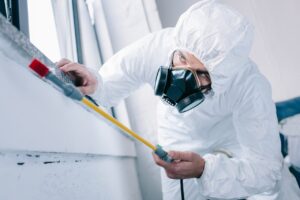
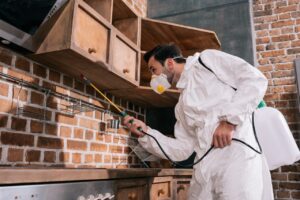
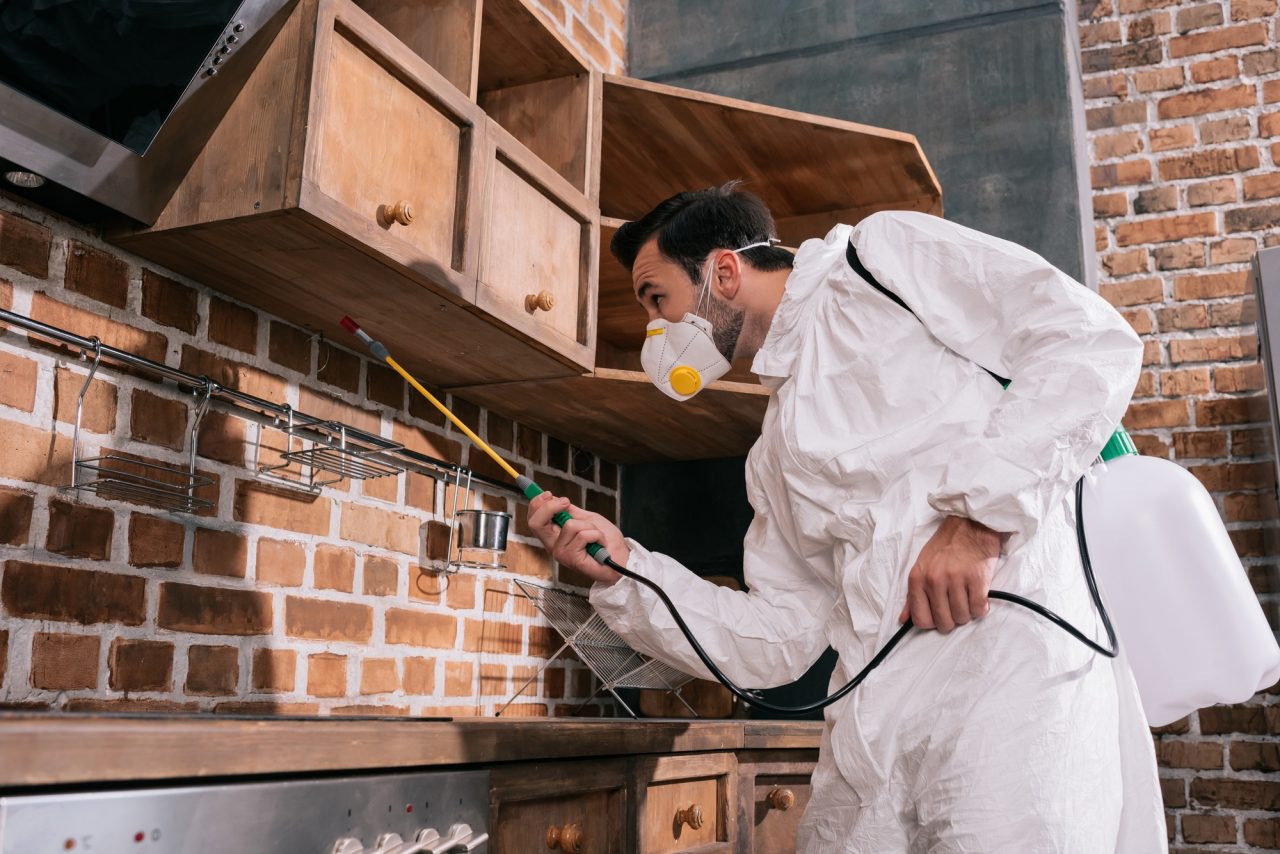
All technicians enter the smoke-damaged environment in appropriate PPE: Tyvek suits, nitrile gloves, N95 respirators minimum (P100 half-face respirators where heavy soot, asbestos risk, or lead risk is present), boot covers, and safety goggles. PPE is selected and donned in accordance with OSHA requirements for the specific hazard profile identified in the assessment.
Step 5: Dry Cleaning and Preliminary Soot Removal
The smoke damage cleanup process always begins with dry-cleaning techniques before any wet-cleaning is applied — a critical sequence that prevents smearing. Specialized dry-cleaning sponges and HEPA vacuuming with brush attachments are used to remove loose and powdery soot from walls, ceilings, and hard surfaces. For wet smoke damage, specialized dry-cleaning sponges designed to lift greasy residue without smearing are applied before wet cleaning begins. This stage determines the degree to which surfaces can be cleaned versus requiring replacement.
Step 6: Wet Cleaning and Chemical Treatment
Following dry cleaning, wet-cleaning methods using appropriate cleaning chemistry for the identified smoke type are applied to all affected surfaces. Alkaline cleaning agents are used for acid-based dry smoke residue. Specialized degreasing agents are applied to wet smoke and petroleum smoke deposits. Enzymatic cleaners are used for protein smoke residue. All surfaces are cleaned systematically from ceiling to floor, and multiple cleaning passes are applied as needed to achieve maximum residue removal. Corrosion inhibitors are applied to metal surfaces where indicated.
Step 7: Content Cleaning and Pack-Out Services
Smoke-damaged contents — including furniture, clothing, documents, electronics, artwork, and personal items — are inventoried, assessed for restorability, and either cleaned on-site using appropriate methods (ultrasonic cleaning, ozone cabinet treatment, dry-cleaning sponge, specialized solutions) or packed out to a secure facility for professional content restoration. Complete content inventory documentation is provided for insurance purposes.
Step 8: HVAC System Decontamination
All HVAC ducts, registers, coils, air handlers, and associated components are decontaminated following NADCA protocol using HEPA vacuuming, mechanical brushing, and application of EPA-registered antimicrobial agents where biological contamination (mold, bacteria) is present in addition to soot. Filters are replaced. Ductwork insulation saturated with smoke residue is removed and replaced. HVAC decontamination is documented as part of the clearance package.
Step 9: Structural Material Assessment and Replacement
Surfaces and structural materials that cannot be cleaned to the required standard — including heavily smoke-saturated drywall, insulation, carpet, and subfloor materials — are removed and disposed of properly, creating a clean structural substrate for restoration work. Zero Trace Biohazard coordinates with licensed contractors for structural repair and replacement where required.
Step 10: Permanent Molecular Odor Elimination
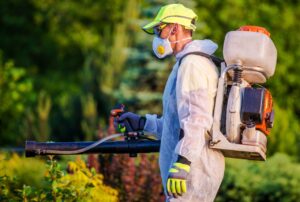
Smoke odor elimination is the most technically demanding component of smoke damage cleanup and requires a multi-method approach. Thermal fogging — which heats a solvent-based deodorizer into a micron-sized fog that behaves like smoke itself, penetrating the same pathways the original smoke traveled — is deployed to treat porous materials, wall cavities, and structural materials. Ozone generation is used in unoccupied spaces to oxidize and permanently destroy odor-causing VOCs at the molecular level. Hydroxyl radical generation provides a continuous, safe odor treatment method compatible with occupied restoration scenarios. Encapsulants are applied to surfaces where indicated to seal residual odor compounds. The combination of methods is selected based on the smoke type, material types, and odor severity — not a single approach.
Step 11: Final Inspection, Air Quality Testing, and Clearance Documentation
Our lead technician performs a thorough final inspection of all treated areas. Post-remediation air quality testing confirms that VOC and particulate levels have been reduced to acceptable standards. We provide a complete documentation package including a signed clearance report, itemized scope of work completed, before-and-after photographs, content inventory documentation, HVAC decontamination records, and all required insurance claim paperwork.
Smoke Damage Cleanup Cost Breakdown
Cost by Scope and Property Type
| Scope | Estimated Cost |
| Single room (smoke only, no structural damage) | $200 – $1,200 |
| Multi-room / partial property | $2,000 – $8,000 |
| Soot cleanup and full decontamination | $2,000 – $8,000+ |
| Whole residential property (smoke, soot, odor) | $5,000 – $20,000+ |
| HVAC system cleaning | $300 – $1,200+ |
| Smoke odor removal | $500 – $2,500+ |
| Structural repairs and reconstruction | $5,000 – $100,000+ (depending on extent) |
| Large commercial property | $10,000 – $51,000+ |
| National average (full fire and smoke remediation) | $4,718 – $20,470 |
| Per-square-foot rate | $4 – $7 per square foot |
| Hourly rate | $150 – $300 per technician |
Factors That Affect the Final Cost
The final cost of smoke damage cleanup is shaped by the type of smoke and fire involved (wet, dry, protein, petroleum, wildfire), the square footage of the affected area, the extent of HVAC system contamination, whether structural materials must be removed and replaced, the volume and restorability of smoke-damaged contents, whether asbestos or lead abatement is required, the need for structural drying and mold prevention, the complexity of odor elimination required, the urgency of the response, and the level of insurance documentation preparation needed.
Insurance Coverage for Smoke Damage Cleanup
Homeowners Insurance
Smoke damage is explicitly listed as a covered peril in most standard homeowners insurance policies, making it one of the more straightforward biohazard and restoration categories from an insurance standpoint. The National Association of Realtors Consumer Guide confirms that “most homeowners insurance policies cover fire and smoke damage.” EC Law Counsel notes that “the short answer is yes — most standard homeowners insurance policies include coverage for smoke damage.” Zero Trace Biohazard works directly with insurance adjusters, provides a complete itemized scope of work, before-and-after documentation, and all required claim paperwork to ensure our clients receive the full coverage to which they are entitled.
Commercial Property Insurance
Commercial property insurance policies consistently cover fire and smoke damage as a named or open peril. Business interruption coverage may also apply where smoke damage causes temporary closure of a business. Zero Trace Biohazard coordinates directly with commercial insurance carriers and their adjusters, providing the comprehensive documentation required to support maximum coverage recovery.
Understanding Your Policy Limits and Deductibles
While smoke damage is generally covered, the amount recovered depends on your policy’s coverage limits, deductible amount, and whether any policy exclusions apply — for example, smoke from a neighbor’s fire may be treated differently than smoke from a fire originating on your own property in some policies. Zero Trace Biohazard can help you understand the scope of work required, document all damage thoroughly, and present your claim in the manner most likely to achieve full reimbursement.
Tenant and Landlord Responsibility
Where smoke damage affects a rental property, responsibility depends on the cause of the fire. If the fire originated from the tenant’s negligence, the tenant may bear financial responsibility, with the landlord’s insurance potentially pursuing subrogation. If the fire was caused by a building defect or arose from an adjacent unit, landlord insurance generally applies. Zero Trace Biohazard provides the documentation needed for landlord-tenant dispute resolution and insurance proceedings.
DIY vs. Professional Smoke Damage Cleanup
| Factor | DIY | Zero Trace Biohazard |
| Smoke type identification | Not assessed — wrong chemistry applied | IICRC FSRT assessment per ANSI/S700 |
| Dry cleaning first | Often skipped — causes smearing | Correct dry-cleaning sequence always followed |
| Soot removal chemistry | Consumer products — incorrect for smoke type | Smoke-type-specific professional cleaning chemistry |
| HVAC decontamination | Not addressed — recontamination continues | Full NADCA-protocol HVAC cleaning |
| Asbestos/lead risk | Unidentified — dangerous disturbance | Coordinated testing and abatement where indicated |
| Content cleaning | Inadequate — permanent damage to items | Professional content restoration and pack-out |
| Structural drying | Not addressed — mold risk within 48 hours | IICRC-certified structural drying |
| Permanent odor elimination | Consumer air fresheners — masking only | Thermal fogging + ozone + hydroxyl — molecular elimination |
| Toxic VOC removal | Not addressed — ongoing chemical exposure | Full VOC remediation and air quality verification |
| Insurance documentation | None — coverage may be denied | Complete scope of work, photos, claim paperwork |
| Clearance report | Not available | Full clearance report issued |
| Legal/regulatory compliance | Not achieved | Full IICRC, OSHA, EPA compliance |
Frequently Asked Questions About Smoke Damage Cleanup
How much does smoke damage cleanup cost?
Smoke damage cleanup costs range from $200 to $1,200 per room for minor smoke-only events, to $5,000–$20,000+ for whole residential property remediation, and up to $51,000 or more for large commercial properties with significant structural damage. The national average for full fire and smoke remediation falls between $4,718 and $20,470. Per-square-foot rates typically run $4–$7. Zero Trace Biohazard provides free, no-obligation on-site assessments and transparent itemized estimates.
Does insurance cover smoke damage cleanup?
Yes — smoke damage is a covered peril under most standard homeowners and commercial property insurance policies. Zero Trace Biohazard coordinates directly with your insurance adjuster and provides a complete documentation package — itemized scope of work, before-and-after photos, and all required claim forms — to support your coverage recovery.
What are the health risks of living in a smoke-damaged property?
Living in a smoke-damaged property without professional remediation exposes occupants to ongoing inhalation of toxic VOCs, benzene, formaldehyde, PAHs, and fine soot particles — all of which are associated with respiratory disease, cardiovascular effects, and elevated cancer risk. The NCI identifies soot as a known carcinogen. Professional remediation is the only way to eliminate these ongoing exposure risks.
Why does smoke odor return after I clean the surfaces?
Smoke odor returns after surface cleaning because the odor-causing compounds have penetrated deep into porous materials — drywall, insulation, wood framing, carpet, upholstery, and subfloor materials — that surface cleaning cannot reach. Additionally, HVAC systems that have not been decontaminated continue to recirculate odor-causing compounds throughout the property every time the system operates. Only molecular-level odor elimination methods (thermal fogging, ozone, hydroxyl treatment) combined with HVAC decontamination can permanently eliminate smoke odor.
What is the difference between dry smoke and wet smoke damage?
Dry smoke results from fast-burning, high-temperature fires (wood, paper) and produces fine, powdery, relatively easier-to-clean residue. Wet smoke results from low-temperature, smoldering fires (synthetics, rubber, plastics) and produces thick, sticky, greasy, extremely difficult-to-clean residue with a very strong odor. Each type requires different cleaning chemistry and technique — applying the wrong method makes wet smoke damage significantly worse.
How soon does smoke damage need to be cleaned up?
As soon as possible — ideally within 24–48 hours. Smoke residues are acidic and begin permanently etching glass, corroding metals, and degrading synthetic fibers within hours. Firefighting water creates mold risk within 24–48 hours if structural drying is not initiated. Every day of delay increases the scope of permanent damage and the cost of restoration.
Can smoke damage from a neighbor’s fire affect my property?
Yes. Smoke from a nearby fire can penetrate your building through HVAC intakes, windows, doors, and building envelope gaps, depositing toxic residues throughout your interior. Wildfire smoke events are a particularly significant source of this type of secondary smoke damage. Zero Trace Biohazard addresses smoke damage from any source, including neighboring fires and wildfire events.
Do you clean smoke-damaged contents and personal belongings?
Yes. Zero Trace Biohazard provides professional content cleaning for smoke-damaged furniture, clothing, electronics, documents, artwork, and personal items, using methods including ultrasonic cleaning, ozone cabinet treatment, dry-cleaning sponge technique, and specialized chemical solutions. Items are inventoried, assessed for restorability, and either cleaned on-site or packed out to a secure restoration facility.
What is thermal fogging and how does it remove smoke odor?
Thermal fogging is a deodorization technique that heats a solvent-based deodorizing agent into a micron-sized fog that behaves like smoke itself — penetrating the same walls, cavities, and porous materials that the original smoke traveled through. The fog’s fine particles bond with and neutralize odor-causing molecules at the points of deepest penetration, delivering permanent odor elimination at the molecular level rather than surface-level masking.
Do you address HVAC systems as part of smoke damage cleanup?
Yes. HVAC system decontamination is a standard component of our smoke damage cleanup scope wherever smoke involvement of the air handling system is identified — which is in the majority of structure fire events. Following NADCA protocol, we clean all ducts, registers, coils, and air handlers using HEPA vacuuming, mechanical brushing, and EPA-registered antimicrobial agents, and replace contaminated duct insulation and filters.
What certifications does Zero Trace Biohazard hold for smoke damage work?
Our certifications include IICRC Fire and Smoke Restoration Technician (FSRT), compliance with IICRC ANSI/S700 (the 2025 Standard for Professional Fire and Smoke Damage Restoration), OSHA HAZWOPER 40-hour certification, and GBAC (Global Biorisk Advisory Council) certification. We hold all applicable state licenses in every state where we operate.
Is smoke damage a biohazard?
Yes, in many respects. Smoke residues from structure fires contain confirmed human carcinogens including benzene, formaldehyde, and PAHs, as well as potentially asbestos and lead from disturbed building materials. Research confirms that smoke toxin exposure can be “far more hazardous to human health than mold, asbestos, lead, or other contaminants.” In fire events involving human remains or biological contamination, full biohazard remediation protocols are required alongside smoke damage restoration.
Call Zero Trace Biohazard — 24/7 Smoke Damage Cleanup Nationwide
Smoke damage is a time-critical emergency. Every hour without professional remediation allows soot to etch deeper into surfaces, toxic residues to off-gas throughout your property, and water damage to advance toward mold growth. Zero Trace Biohazard is available 24 hours a day, 7 days a week, in all 50 states, for residential, commercial, and institutional smoke damage cleanup.
📞 Call (XXX) XXX-XXXX now for a free, no-obligation on-site assessment.
- ✅ IICRC FSRT-Certified — ANSI/IICRC S700 Compliant (2025 Standard)
- ✅ OSHA HAZWOPER-Certified
- ✅ GBAC-Certified (Global Biorisk Advisory Council)
- ✅ All Four Smoke Types Addressed (Dry, Wet, Protein, Petroleum/Wildfire)
- ✅ Full HVAC System Decontamination — NADCA Protocol
- ✅ Thermal Fogging + Ozone + Hydroxyl Radical — Permanent Odor Elimination
- ✅ Content Cleaning and Pack-Out Services
- ✅ Asbestos and Lead Assessment Coordination
- ✅ Complete Insurance Claim Documentation
- ✅ Signed Clearance Report Provided
- ✅ Discreet, Compassionate, and Professional Service