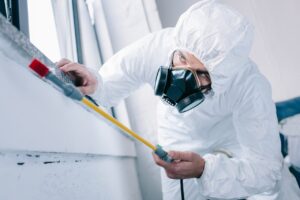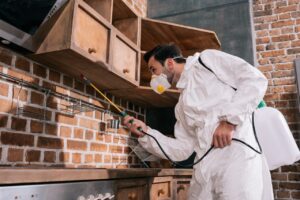
Medical waste is not simply a disposal problem — it is a serious public health, environmental, and legal hazard that demands the same rigorous professional response as any other category of biohazard contamination. Regulated medical waste (RMW) encompasses a broad range of materials including used sharps and needles, infectious biological waste, blood and blood-saturated materials, pathological waste, pharmaceutical waste, and contaminated equipment — all of which carry significant risk of disease transmission, physical injury, and environmental harm if handled, stored, or disposed of improperly.
According to the World Health Organization, approximately 15–25% of all healthcare waste is classified as hazardous, with the potential to cause injury, infection, or other harm. The CDC identifies regulated medical waste as any waste with sufficient potential to cause infection that warrants special handling precautions during and after collection. Improper disposal of medical waste is not only a serious public health risk — it is also a federal and state criminal matter, with penalties including substantial fines and potential imprisonment.
Zero Trace Biohazard provides professional, certified medical waste cleanup and disposal services 24 hours a day, 7 days a week, in all 50 states. Our technicians are trained under OSHA 29 CFR 1910.1030 (Bloodborne Pathogens), OSHA 29 CFR 1910.120 (HAZWOPER), GBAC (Global Biorisk Advisory Council), and IICRC standards, and we operate in full compliance with EPA, DOT, and all applicable state medical waste regulations. We serve residential homes, home healthcare settings, assisted living facilities, clinics, dental offices, veterinary practices, correctional institutions, shelters, and commercial properties — providing complete medical waste remediation from scene assessment through compliant waste disposal and final clearance documentation. Call (XXX) XXX-XXXX for an immediate response.
TL;DR — Key Facts About Medical Waste Cleanup
| Detail | Summary |
| Typical Cost Range | $200 – $25,000+ depending on waste type, volume, and facility type |
| National Average | $1,500 – $5,000 for standard residential or small commercial cleanup |
| Per-Pound Cost (General Medical Waste) | $2 – $20 per pound |
| Sharps Container Disposal | $20 – $50 per container |
| Pathological Waste | $0.50 – $1.00 per pound |
| General Regulated Medical Waste (RMW) | $0.25 – $0.85 per pound |
| Hourly Rate | $150 – $300 per technician |
| Primary Waste Types Handled | Sharps, infectious waste, blood/OPIM, pathological waste, pharmaceutical waste, contaminated PPE, laboratory waste |
| Key Pathogens | HBV, HCV, HIV, MRSA, C. diff, TB, Norovirus, E. coli, Salmonella, Hepatitis A |
| Certifications | OSHA 29 CFR 1910.1030, OSHA HAZWOPER, GBAC, IICRC TCST/HST |
| Waste Disposal Compliance | RCRA, DOT 49 CFR, EPA Medical Waste regulations, state-specific RMW laws |
| Documentation Provided | Clearance certificate, waste manifests, DOT shipping papers, photo documentation |
| Timeline | 2–8 hours (residential/small commercial) to 1–3 days (large facility) |
| Insurance | Commercial and landlord policies often cover; homeowners vary by policy |
| Service Area | All 50 states, residential and commercial, 24/7 |
Quick Facts
| Category | Detail |
| Company | Zero Trace Biohazard |
| Phone | (XXX) XXX-XXXX |
| Service Hours | 24/7, including holidays |
| Service Area | Nationwide — all 50 states |
| Small Residential Cleanup | $200 – $1,500 |
| Multi-Room / Full Home | $1,500 – $5,000 |
| Small Commercial / Office | $2,000 – $8,000 |
| Large Facility / Healthcare | $5,000 – $25,000+ |
| Per-Pound Rate (General RMW) | $2 – $20 per pound |
| Sharps Disposal | $20 – $50 per container |
| Hourly Rate | $150 – $300 per technician |
| Certifications | OSHA 29 CFR 1910.1030, OSHA HAZWOPER, GBAC, IICRC TCST, IICRC HST |
| Disinfectants Used | EPA-registered hospital-grade products (Lists K, G, B, N) |
| Waste Disposal | RCRA- and DOT-compliant biohazard waste manifests and DOT shipping papers |
| Odor Removal | Enzymatic treatment, ozone generation, hydroxyl radical treatment, thermal fogging |
| Documentation Provided | Clearance certificate, waste manifests, DOT shipping papers, photo documentation, insurance paperwork |
| Timeline | 2–8 hours (residential/small) / 1–3 days (large commercial or healthcare facility) |
What Is Medical Waste Cleanup?
Medical waste cleanup is the professional assessment, collection, containment, decontamination, and compliant disposal of regulated medical waste (RMW) and associated surface contamination from any environment where medical waste has accumulated, been improperly stored, been illegally disposed of, or where a medical event has generated biohazardous materials requiring remediation. It encompasses both the physical removal of waste materials and the surface decontamination of all areas that have been contacted by or contaminated with medical waste, followed by EPA-registered disinfection and post-remediation verification.
The CDC defines regulated medical waste as healthcare waste with sufficient potential to cause infection during handling and disposal that warrants special precautions. The World Health Organization classifies healthcare waste into distinct categories — infectious waste, sharps waste, pathological waste, pharmaceutical waste, chemical waste, and radioactive waste — each of which carries specific handling, packaging, transportation, and disposal requirements under federal and state law. In practice, medical waste cleanup situations encountered by Zero Trace Biohazard include everything from a residential home where a family member with a chronic illness or addiction has accumulated years of used sharps and contaminated materials, to a rental property abandoned with medical waste present, to a commercial or healthcare facility requiring emergency response following a contamination event.
What distinguishes medical waste cleanup from standard biohazard cleanup is the breadth of waste categories involved, the specificity of regulatory requirements governing each category, the complexity of compliant disposal logistics, and the range of physical and chemical hazards — including needlestick injury risk, bloodborne pathogen exposure, pharmaceutical toxicity, and potential radioactive material exposure in certain institutional settings. Zero Trace Biohazard manages the complete scope: scene assessment, waste identification and segregation, surface decontamination, packaging, manifesting, and licensed disposal — under a single coordinated response.
Types of Medical Waste We Handle
Sharps and Needles
Sharps waste — including hypodermic needles, syringes, lancets, IV catheters, scalpel blades, and broken glass from medical settings — represents one of the most dangerous categories of medical waste due to the dual risk of percutaneous (needlestick) injury and bloodborne pathogen transmission. The CDC and OSHA identify needlestick injuries as a primary occupational exposure route for Hepatitis B, Hepatitis C, and HIV. Sharps must never be handled with bare hands, recapped, or placed in standard trash containers — they must be collected using approved puncture-resistant sharps containers and disposed of through licensed medical waste transporters. Zero Trace Biohazard safely collects and disposes of all sharps waste regardless of volume, from a single sharps container to large-scale accumulations in hoarding or home healthcare settings.
Infectious and Biological Waste
Infectious waste encompasses materials known or suspected to contain viable pathogenic microorganisms in sufficient concentration and quantity to cause disease in healthy humans. This includes cultures and stocks of infectious agents, waste from patients in isolation with communicable diseases, materials saturated with blood or other potentially infectious materials (OPIM) as defined by OSHA 29 CFR 1910.1030, discarded live and attenuated vaccines, and waste from laboratory work involving biological agents. All infectious waste requires containment in leak-proof, properly labeled biohazard bags or containers prior to transport and treatment.
Blood and Blood-Saturated Materials
Blood, serum, plasma, and all materials saturated or caked with blood that would release liquid blood if compressed are classified as regulated medical waste under OSHA’s Bloodborne Pathogens standard. This includes used dressings, bandages, gauze, surgical drapes, and any absorbent materials visibly contaminated with blood. Hepatitis B virus can survive on surfaces at room temperature for seven or more days; proper containment, surface decontamination, and compliant disposal are mandatory.
Pathological Waste
Pathological waste includes human tissues, organs, body parts, and body fluids removed during surgery, autopsy, or biopsy, as well as animal carcasses used in research. This category requires specialized handling, packaging (often leak-proof secondary containers), and disposal through licensed pathological waste incineration or approved alternative treatment. Zero Trace Biohazard coordinates pathological waste disposal with licensed treatment facilities in full compliance with applicable state and federal requirements.
Pharmaceutical Waste
Pharmaceutical waste — including expired, unused, contaminated, or discarded medications — presents chemical toxicity, environmental contamination, and controlled substance diversion risks. Many pharmaceuticals are classified as hazardous waste under the Resource Conservation and Recovery Act (RCRA) and require disposal through licensed hazardous waste contractors, not standard trash or drain disposal. Zero Trace Biohazard provides pharmaceutical waste collection and compliant disposal, including controlled substance waste coordination where applicable.
Contaminated PPE and Disposable Medical Equipment
Used personal protective equipment — gloves, gowns, masks, face shields — along with disposable medical equipment such as tubing, catheters, drainage bags, and wound care materials contaminated with blood or OPIM must be collected and disposed of as regulated medical waste. In home healthcare and long-term care settings, improper accumulation and disposal of contaminated PPE is a common source of medical waste cleanup requests.
Laboratory and Microbiological Waste
Laboratory waste from clinical, research, or diagnostic settings includes cultures and stocks of infectious agents, discarded microbiological plates, specimens, and associated disposables. This category requires autoclaving or other validated decontamination prior to final disposal, and in many states, specific treatment documentation. Zero Trace Biohazard coordinates laboratory waste remediation with licensed treatment and disposal partners.
Chemotherapy and Antineoplastic Drug Waste
Chemotherapy waste — including unused chemotherapy agents, contaminated sharps, gloves, gowns, IV bags, and tubing from chemotherapy administration — is classified as hazardous pharmaceutical waste under RCRA and requires disposal through licensed hazardous waste contractors with specific chemotherapy waste handling authorization. Improper disposal of chemotherapy agents poses serious environmental contamination risk and significant legal liability.
Situations That Require Professional Medical Waste Cleanup
Residential Home Healthcare and Self-Care Settings
Many Americans manage chronic conditions at home — including diabetes (requiring regular sharps use), dialysis, anticoagulation therapy, HIV treatment, and oncology care — generating substantial volumes of regulated medical waste that must be disposed of safely and legally. When medical waste has accumulated due to improper disposal habits, death or incapacitation of the patient, or extended neglect of a home healthcare setting, professional medical waste cleanup is required to safely remove, decontaminate, and properly dispose of all accumulated waste.
Hoarding Situations Involving Medical Waste
Hoarding environments frequently involve the accumulation of used sharps, expired medications, contaminated medical supplies, and soiled wound care materials — often mixed throughout other accumulated debris — creating a complex and dangerous medical waste cleanup scenario. Zero Trace Biohazard has extensive experience identifying, segregating, and safely removing medical waste from hoarding environments as part of an integrated biohazard remediation scope.
Rental Properties and Abandoned Properties
Landlords and property managers frequently discover medical waste contamination — including sharps, blood-saturated materials, and pharmaceutical waste — following the departure or death of a tenant who managed a chronic medical condition at home, struggled with addiction (injection drug use), or was receiving home healthcare services. Under state landlord-tenant and habitability laws, landlords are generally legally responsible for commissioning professional remediation before the unit can be legally re-rented or occupied.
Addiction and Injection Drug Use Scenes
Properties where injection drug use has occurred present a specific and serious medical waste cleanup challenge: used syringes and needles contaminated with blood and potentially with Hepatitis C, Hepatitis B, and HIV are typically present in large numbers, often hidden in walls, under furniture, and in bedding. Zero Trace Biohazard provides thorough, systematic sharps recovery using UV detection, and safely manages all associated biohazard contamination.
Clinics, Dental Offices, and Veterinary Practices
Small healthcare practices — including dental offices, outpatient clinics, dialysis centers, and veterinary practices — that generate regulated medical waste are subject to specific state and federal disposal requirements. Following a closure, property sale, compliance audit finding, or emergency contamination event, professional medical waste cleanup may be required to remediate accumulated waste and restore full regulatory compliance.
Correctional Facilities, Shelters, and Institutional Settings
Correctional institutions, homeless shelters, group homes, and similar institutional settings are high-risk environments for medical waste accumulation due to high occupancy density, limited oversight, and the frequent presence of individuals with injection drug use histories or chronic medical conditions. Zero Trace Biohazard provides institutional medical waste cleanup with minimal disruption to facility operations.
Post-Mortem and Estate Cleanup
When an individual who was managing a chronic medical condition or receiving home healthcare dies — particularly in an unattended death scenario — the property may contain significant volumes of medical waste, including sharps, contaminated wound care materials, pharmaceutical waste, and soiled medical supplies, in addition to standard unattended death biohazard contamination. Zero Trace Biohazard manages the full scope of post-mortem medical waste cleanup as an integrated service.
Health Risks of Improper Medical Waste Handling
The health risks associated with improperly handled or disposed of medical waste are well-documented by the WHO, CDC, and public health authorities globally. The WHO identifies healthcare workers, waste handlers, patients, and the general public as populations at risk from inadequately managed medical waste, while the NIH notes in published research that infectious waste in particular represents “a higher risk to health” than general waste streams.
Needlestick Injury and Bloodborne Pathogen Transmission
Needlestick injuries are among the most serious risks associated with medical waste cleanup. A single needlestick from a contaminated sharp can transmit Hepatitis B (risk up to 30% per exposure from HBeAg-positive source), Hepatitis C (risk approximately 1.8% per exposure), and HIV (risk approximately 0.3% per exposure). In scenes where used sharps are hidden, mixed with other debris, or present in large numbers, the risk of needlestick injury is extremely high without proper PPE, technique, and systematic sharps recovery protocols.
Bloodborne Pathogen Exposure
Beyond needlestick risk, contact with blood, blood-saturated materials, and other potentially infectious materials (OPIM) — including semen, vaginal secretions, cerebrospinal fluid, and other body fluids — can transmit HBV, HCV, and HIV through mucous membrane contact or skin contact where skin integrity is compromised. OSHA’s Bloodborne Pathogens standard was specifically developed to address this occupational hazard.
Pharmaceutical Toxicity
Pharmaceutical waste — particularly cytotoxic agents, chemotherapy drugs, and controlled substances — poses direct chemical toxicity risks through skin absorption, inhalation, and ingestion. Discarded chemotherapy agents in residential settings represent a hazard to all subsequent occupants, particularly children. Pharmaceutical waste mixed with general debris can contaminate surfaces and create ongoing exposure risk until professionally removed.
Environmental Contamination
Improper disposal of medical waste in standard trash, down drains, or in outdoor environments creates environmental contamination risks including groundwater contamination from pharmaceutical compounds, soil contamination from pathological and infectious waste, and surface water contamination from improperly discarded sharps and infectious materials. Daniels Health notes that improperly disposed medical waste “not only endangers the general public but the environment” and generates substantial fines and penalties for responsible parties.
Airborne Pathogen Risk
Certain categories of medical waste — including cultures of aerosolizable organisms, waste from patients with active tuberculosis, and some laboratory wastes — present airborne transmission risk if disturbed or improperly handled. Respiratory protection at the appropriate level (N95 minimum for TB, PAPR for high-risk aerosolization) is required for all personnel working in affected environments.
Why Improper Medical Waste Disposal Is Illegal
Improper disposal of regulated medical waste is a federal and state criminal and civil matter with serious consequences. Under the Medical Waste Tracking Act (MWTA) and subsequent EPA guidance, and under individual state regulated medical waste statutes — all 50 states have enacted specific medical waste regulations — the improper disposal of regulated medical waste can result in civil penalties ranging from thousands to hundreds of thousands of dollars per violation, criminal prosecution, facility closure, loss of licensure, and personal liability for responsible parties.
Placing sharps, infectious waste, blood-saturated materials, or pharmaceutical waste in standard household or commercial trash is illegal in every U.S. state. Disposing of pharmaceutical waste down drains or in standard trash is prohibited under EPA hazardous waste regulations for RCRA-listed pharmaceuticals. Medical waste placed in regular trash that causes injury to waste handlers or environmental contamination creates direct civil liability exposure for the responsible party. Zero Trace Biohazard provides the documented, compliant disposal chain — waste manifests, DOT shipping papers, treatment facility certificates — that demonstrates legal compliance and protects responsible parties from regulatory and civil liability.
Regulations and Certifications Governing Medical Waste Cleanup
OSHA 29 CFR 1910.1030 — Bloodborne Pathogens Standard
OSHA’s Bloodborne Pathogens standard governs all work involving occupational exposure to blood and other potentially infectious materials (OPIM), including medical waste cleanup work. It requires a written Exposure Control Plan, provision of appropriate PPE, Hepatitis B vaccination for exposed workers, post-exposure follow-up procedures, and compliant disposal of all OPIM in properly labeled, color-coded containers. Zero Trace Biohazard maintains full OSHA 1910.1030 compliance in all operations, including medical waste cleanup.
OSHA 29 CFR 1910.120 — HAZWOPER
For medical waste cleanup operations that qualify as hazardous waste operations — including large-scale cleanup events, multi-site responses, or scenarios involving chemical or pharmaceutical hazardous waste — OSHA’s HAZWOPER standard requires 40-hour training for workers with significant exposure potential. Zero Trace Biohazard technicians hold HAZWOPER 40-hour certification as required.
EPA Medical Waste Regulations
The EPA maintains regulatory authority over medical waste under RCRA and provides oversight of state medical waste regulatory programs. The EPA’s medical waste page notes that “many states have regulations requiring medical waste treatment technologies to be certified, licensed, or regulated” and directs regulated entities to check with their state for applicable requirements. Zero Trace Biohazard complies with all applicable federal EPA medical waste regulations, including RCRA requirements for pharmaceutical hazardous waste.
DOT 49 CFR — Hazardous Materials Transportation
The U.S. Department of Transportation regulates the transportation of regulated medical waste as a hazardous material under 49 CFR. Compliant transport requires proper packaging (UN-specification containers for many waste categories), labeling (infectious substance labels, biohazard markings), and accompanying documentation (DOT shipping papers or waste manifests). Zero Trace Biohazard uses only DOT-compliant packaging and provides complete shipping documentation for all medical waste transported.
State Medical Waste Regulations
All 50 U.S. states have enacted specific regulated medical waste statutes and regulations that define waste categories, handling requirements, approved treatment methods, and disposal pathways within each state. These state regulations vary significantly in scope and detail. Zero Trace Biohazard maintains compliance with state-specific medical waste regulations in every state where we operate and holds all applicable state biohazard remediation licenses.
GBAC (Global Biorisk Advisory Council) Certification
GBAC, a division of ISSA, provides the industry’s leading certification for outbreak prevention, response, and recovery — including infectious disease and medical waste decontamination. GBAC STAR Accreditation certifies that facilities and service providers have the protocols, trained personnel, and systems in place to manage biohazard and infectious disease risks, including those associated with medical waste environments. Zero Trace Biohazard holds GBAC certification.
IICRC Certifications — TCST and HST
The IICRC’s Trauma and Crime Scene Technician (TCST) and Health and Safety Technician (HST) certifications address the professional handling of biohazardous materials, including medical waste, in remediation settings. IICRC-certified technicians are trained in hazard identification, containment, EPA-registered disinfectant selection, and post-remediation verification protocols.
Our Medical Waste Cleanup Process — Step by Step
Step 1: Immediate Response and Initial Consultation
Zero Trace Biohazard responds 24/7 to medical waste cleanup requests. During the initial call, our team gathers key information about the type and volume of medical waste present, the facility type, any known pathogen exposures, and the timeline requirements for re-entry or re-occupancy. We dispatch a certified team immediately with all necessary equipment, packaging materials, and DOT-compliant waste containers.
Step 2: On-Site Assessment and Waste Identification
Upon arrival, our lead technician conducts a thorough on-site assessment to identify and document all waste categories present — sharps, infectious waste, blood-saturated materials, pharmaceutical waste, pathological waste, contaminated equipment, and any associated surface contamination. We use UV light inspection to detect hidden sharps and biological contamination. A transparent, itemized cost estimate is provided before any work begins.
Step 3: Containment and Ventilation Control
Contaminated areas are isolated with 6-mil polyethylene containment barriers to prevent cross-contamination of clean spaces. Portable HEPA air scrubbers are deployed within the containment zone. HVAC systems are isolated to prevent spread of contamination through the air handling system. For scenarios involving aerosolizable pathogens, negative air pressure is maintained throughout the remediation.
Step 4: Full PPE Deployment
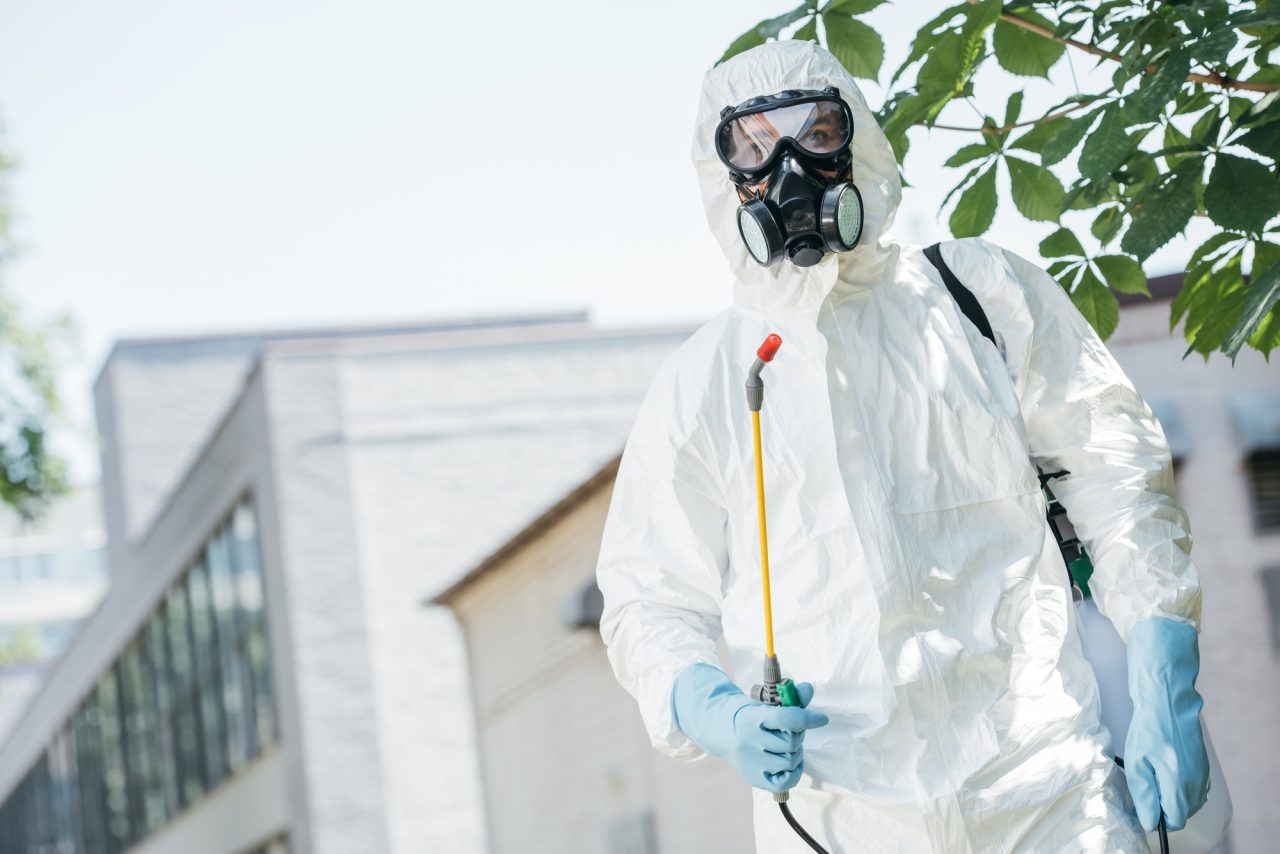
All technicians enter the work area in appropriate OSHA-compliant PPE for the specific waste categories present: Tyvek suits, double nitrile gloves, puncture-resistant outer gloves where sharps are present, N95 or full-face respirators as indicated, boot covers, and face shields. PPE is donned and doffed following OSHA protocols to prevent secondary contamination.
Step 5: Systematic Sharps Recovery
Where sharps and needles are present, our team performs a systematic, room-by-room sharps recovery using UV inspection to identify and recover hidden sharps from all surfaces, within furniture, bedding, carpeting, wall cavities, and any other location where sharps may have been discarded or concealed. All sharps are collected using mechanical means — never bare hands — and placed in DOT-approved puncture-resistant sharps containers. No area is cleared until a full sweep has been completed.
Step 6: Medical Waste Segregation and Packaging
All recovered medical waste is segregated by category — infectious waste, sharps, pharmaceutical waste, pathological waste, chemotherapy waste — and packaged in the appropriate approved containers for each category. Infectious and biological waste is placed in red biohazard bags or rigid leak-proof containers; sharps in approved sharps containers; pharmaceutical waste in approved pharmaceutical waste containers; chemotherapy waste in specially labeled yellow containers. All containers are properly labeled with the biohazard symbol, waste category, and origin information as required by OSHA and DOT.
Step 7: Surface Decontamination
Following removal of all medical waste, all surfaces that were contacted by or contaminated with medical waste are decontaminated using EPA-registered hospital-grade disinfectants selected for the specific pathogens present. A three-pass disinfection protocol is applied with full manufacturer-specified contact times, ensuring >99.9999% (6-log) pathogen reduction on all treated surfaces. Porous materials that cannot be adequately surface-treated — including carpet, upholstery, and subfloor materials saturated with blood or OPIM — are removed and disposed of as regulated medical waste.
Step 8: Odor Neutralization
Where medical waste accumulation has created persistent odors — from biological decomposition, pharmaceutical compounds, or long-term waste storage — Zero Trace Biohazard deploys enzymatic pre-treatment, ozone generation, hydroxyl radical treatment, and thermal fogging to permanently eliminate odor at the molecular level from all treated surfaces and the broader environment, including wall cavities and HVAC systems where indicated.
Step 9: Compliant Medical Waste Transport and Disposal
All packaged medical waste is staged in sealed, labeled DOT-compliant containers and transported to licensed medical waste treatment and disposal facilities by our licensed waste transport partners. Zero Trace Biohazard generates complete waste manifests and DOT shipping papers documenting the full chain of custody from the origin site through final treatment and disposal — providing the responsible party with documented proof of legal compliance.
Step 10: Final Inspection, Clearance Testing, and Documentation
A lead technician conducts a thorough final inspection of all treated areas and performs post-remediation verification, including UV inspection for residual biological contamination and, where requested, ATP surface testing. We provide a complete documentation package including a signed clearance certificate, waste manifests, DOT shipping papers, itemized service report, and photographic before-and-after documentation — suitable for insurance claims, regulatory inspections, landlord-tenant proceedings, and property sale disclosure.
Medical Waste Cleanup Cost Breakdown
Cost by Scope and Facility Type
| Scope | Estimated Cost |
| Small residential (single room, limited waste) | $200 – $1,500 |
| Multi-room residential / full home | $1,500 – $5,000 |
| Small commercial / office / clinic | $2,000 – $8,000 |
| Rental property / post-tenancy cleanup | $1,500 – $7,000 |
| Large facility / healthcare institution | $5,000 – $25,000+ |
| Per-pound rate (general regulated medical waste) | $2 – $20 per pound |
| Sharps container disposal | $20 – $50 per container |
| Pathological waste | $0.50 – $1.00 per pound |
| Pharmaceutical / chemotherapy waste | Priced separately by volume |
| Hourly rate | $150 – $300 per technician |
Factors That Affect the Final Cost
The final cost of a medical waste cleanup is shaped by the type and volume of regulated medical waste present, the extent of surface contamination and the disinfection scope required, whether porous structural materials must be removed, the complexity of the sharps recovery task, pharmaceutical or chemotherapy waste disposal requirements, facility type and access, geographic location and travel requirements, the urgency of the response, and the level of documentation required for insurance, regulatory, or legal purposes.
Insurance, Payment, and Responsibility
Homeowners Insurance
Standard homeowners insurance may cover medical waste cleanup when the contamination results from a sudden, unexpected covered event. Policies vary widely — some treat biohazard remediation as a covered additional living expense or property damage claim, while others exclude it. Zero Trace Biohazard works directly with insurance adjusters and provides the complete documentation package required to support a valid claim.
Commercial Property and Business Insurance
Commercial property insurance frequently covers medical waste cleanup costs for business owners and facility operators when the event is sudden and unexpected or when cleanup is necessary to restore the property to a habitable or operable condition. Many commercial policies specifically cover biohazard remediation. Zero Trace Biohazard coordinates directly with commercial insurance carriers and provides all required documentation.
Landlord Insurance and Landlord Responsibility
Under landlord-tenant and habitability law in most U.S. states, landlords are legally required to maintain rental properties in a safe and habitable condition. When a tenant leaves a rental unit contaminated with medical waste — including sharps, blood-saturated materials, or pharmaceutical waste — the landlord is generally responsible for commissioning professional cleanup. Most landlord insurance policies include coverage for biohazard remediation; 360haz.com notes that “many landlord insurance policies cover biohazard cleanup — but only if handled properly,” requiring immediate notification and professional remediation. Zero Trace Biohazard provides full documentation for landlord insurance submissions and security-deposit dispute proceedings.
Estate and Family Responsibility
When medical waste is discovered in a property following the death of an occupant, cleanup responsibility typically falls to the estate, heirs, or next of kin. Zero Trace Biohazard works sensitively with families and estate administrators navigating these circumstances and can coordinate directly with probate attorneys and estate managers.
Out-of-Pocket and Financing Options
For cases where insurance does not apply, Zero Trace Biohazard provides transparent, itemized estimates with no hidden fees. We are committed to ensuring that cost is not a barrier to protecting public health and regulatory compliance.
DIY vs. Professional Medical Waste Cleanup
| Factor | DIY | Zero Trace Biohazard |
| Sharps recovery (hidden needles) | Serious needlestick risk, incomplete recovery | Systematic UV-assisted sweep, full recovery |
| Bloodborne pathogen protection | No PPE — high HBV, HCV, HIV exposure risk | Full OSHA-compliant PPE, post-exposure program |
| Pharmaceutical waste disposal | Illegal disposal in trash or drain | RCRA-compliant licensed disposal |
| Pathological waste handling | Unqualified — illegal disposal | Licensed compliant disposal, DOT manifested |
| Surface disinfection | Consumer products — inadequate kill claims | EPA-registered hospital-grade sporicides, 3-pass |
| Porous material removal | Not addressed | Full removal and compliant disposal |
| DOT-compliant packaging | Not available | UN-specification containers, correct labeling |
| Waste manifests and documentation | None | Complete manifests, DOT shipping papers, clearance cert |
| Legal compliance | Illegal disposal — fines, criminal liability | Full federal and state regulatory compliance |
| Odor elimination | Masking agents only | Permanent molecular elimination |
| Insurance documentation | None | Complete package for all insurance claims |
| Clearance certificate | Not available | Signed clearance certificate issued |
Frequently Asked Questions About Medical Waste Cleanup
How much does medical waste cleanup cost?
Medical waste cleanup typically costs between $200 and $25,000+, depending on the type and volume of waste, the size and type of the affected space, the extent of surface contamination, and the disposal requirements for each waste category. Small residential cleanups involving limited sharps and contaminated materials commonly fall in the $200–$1,500 range. Whole-property residential jobs typically run $1,500–$5,000. Large commercial or healthcare facility cleanups can range from $5,000 to $25,000 or more. Zero Trace Biohazard provides free, no-obligation on-site assessments.
Can I throw away medical waste in my household trash?
No. Placing sharps, infectious waste, blood-saturated materials, or pharmaceutical waste in standard household or commercial trash is illegal in all 50 U.S. states, as well as under federal EPA and DOT regulations. Improper disposal of regulated medical waste can result in civil penalties, criminal prosecution, and direct civil liability if contaminated waste causes injury or environmental harm. Zero Trace Biohazard provides fully legal, documented, compliant medical waste disposal.
What are the most dangerous types of medical waste?
Sharps and needles contaminated with blood carry the highest immediate physical risk due to needlestick injury potential and bloodborne pathogen transmission (HBV, HCV, HIV). Infectious biological waste and chemotherapy waste present serious direct health hazards through pathogen exposure and chemical toxicity respectively. Pathological waste from decomposing human tissue creates biological and chemical hazard. All categories present environmental contamination risk if improperly disposed of.
What is regulated medical waste (RMW)?
Regulated medical waste (RMW), also referred to as biohazardous, biomedical, or infectious medical waste, is any waste generated in the diagnosis, treatment, or immunization of humans or animals, in research, or in the production or testing of biologicals, that poses a sufficient potential risk of infection to warrant special handling precautions. RMW includes sharps, infectious waste, blood and OPIM-saturated materials, pathological waste, and in many states, pharmaceutical waste.
How long does medical waste cleanup take?
A small residential cleanup involving limited sharps and surface contamination typically takes 2–4 hours. A full-home residential job generally takes 4–8 hours to one day. Large commercial, healthcare, or institutional facilities can require one to three days or more, depending on the volume of waste, extent of surface contamination, and disinfection scope required.
Who is responsible for medical waste cleanup in a rental property?
Under landlord-tenant and habitability law in most U.S. states, landlords are generally legally responsible for commissioning professional medical waste cleanup when a tenant leaves a rental unit contaminated with regulated medical waste. Where the contamination results from the tenant’s own negligence, landlords may have recourse through the security deposit or civil proceedings. Zero Trace Biohazard provides full documentation for landlord insurance submissions and legal proceedings.
Does insurance cover medical waste cleanup?
Coverage depends on the specific policy. Commercial property and landlord insurance policies frequently cover medical waste cleanup costs. Standard homeowners policies vary — some cover biohazard remediation as a sudden covered event, while others exclude it. Zero Trace Biohazard provides a complete documentation package to support all valid insurance claims.
Can you safely remove needles and sharps from a hoarding environment?
Yes. Zero Trace Biohazard specializes in systematic sharps recovery from complex environments, including hoarding scenes where needles may be hidden throughout accumulated debris. Our team uses UV inspection and thorough room-by-room search protocols to locate and safely recover all sharps, which are then collected using mechanical means in DOT-approved puncture-resistant containers and disposed of through licensed waste transporters.
What certifications does Zero Trace Biohazard hold for medical waste work?
Our certifications include OSHA 29 CFR 1910.1030 (Bloodborne Pathogens), OSHA 29 CFR 1910.120 (HAZWOPER 40-hour), GBAC (Global Biorisk Advisory Council), and IICRC TCST and HST. We hold all applicable state biohazard remediation licenses in every state where we operate and maintain full compliance with EPA, DOT, and state medical waste regulations.
Do you provide documentation for regulatory compliance?
Yes. Zero Trace Biohazard provides a complete documentation package following every job, including waste manifests, DOT shipping papers documenting the full chain of custody from origin through final disposal, a signed clearance certificate, itemized service report, and photographic before-and-after documentation. This package is suitable for regulatory inspections, insurance claims, OSHA compliance records, landlord-tenant proceedings, and property sale disclosure.
Do you handle pharmaceutical and chemotherapy waste?
Yes. Zero Trace Biohazard collects and coordinates compliant disposal of pharmaceutical waste — including expired or unused medications, cytotoxic agents, and chemotherapy waste — through licensed hazardous waste disposal partners. Pharmaceutical and chemotherapy waste is segregated, packaged in the appropriate approved containers, and transported under compliant DOT documentation to licensed treatment and disposal facilities.
What is the difference between medical waste disposal and medical waste cleanup?
Medical waste disposal refers to the compliant packaging, transport, treatment, and final disposition of regulated medical waste through the licensed waste management chain. Medical waste cleanup refers to the broader remediation scope — including on-site assessment, physical recovery of waste, surface decontamination, structural material removal where necessary, odor elimination, and post-remediation verification — in addition to the compliant disposal chain. Zero Trace Biohazard provides both as a fully integrated service under a single coordinated response.
Call Zero Trace Biohazard — 24/7 Medical Waste Cleanup Nationwide
Medical waste contamination demands an immediate, fully compliant, and thoroughly documented professional response. Every hour of delay increases pathogen exposure risk, escalates regulatory liability, and — where sharps are present — maintains a serious injury hazard for anyone who enters the space. Zero Trace Biohazard is available 24 hours a day, 7 days a week, in all 50 states, for residential, commercial, institutional, and healthcare medical waste cleanup.
📞 Call (XXX) XXX-XXXX now for a free, no-obligation on-site assessment.
- ✅ OSHA-Compliant (29 CFR 1910.1030 & HAZWOPER)
- ✅ GBAC-Certified (Global Biorisk Advisory Council)
- ✅ IICRC-Certified (TCST and HST)
- ✅ EPA-Registered Hospital-Grade Disinfectants
- ✅ Systematic UV-Assisted Sharps Recovery
- ✅ DOT-Compliant Packaging and Transport
- ✅ Complete Waste Manifests and Clearance Certificate
- ✅ Full Regulatory Compliance — Federal and All 50 States
- ✅ Insurance Coordination Available
- ✅ Discreet, Compassionate, and Non-Judgmental Service