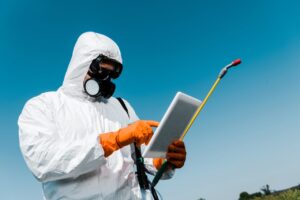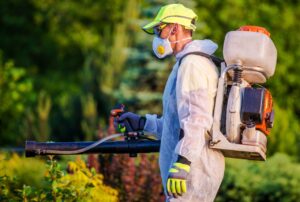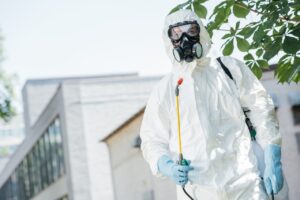
A homeless encampment on your property is not a simple debris removal problem — it is a multi-layered biohazard site. OSHA has formally confirmed, in a published 2021 letter of interpretation (29 CFR 1910.120), that homeless encampment cleanup operations fall under the scope of the HAZWOPER standard when workers are exposed to blood, feces, and contagious pathogens that may reasonably be anticipated to cause disease. Encampments generate a dense concentration of hazardous materials: human feces and urine saturating soil and surfaces, discarded hypodermic needles and sharps carrying HIV, Hepatitis B, and Hepatitis C, drug paraphernalia potentially contaminated with fentanyl — a substance lethal at microgram doses through skin contact — as well as mold, vermin infestations, toxic waste accumulations, and structural damage to the underlying property. The costs of improper cleanup — worker infection, regulatory violations, liability claims, and incomplete remediation that requires a second professional response — consistently far exceed the cost of getting it right the first time.
Zero Trace Biohazard provides OSHA HAZWOPER-compliant, IICRC-certified, EPA-aligned homeless camp cleanup services nationwide for private property owners, commercial real estate managers, municipalities, public housing authorities, and institutional facilities — 24 hours a day, 7 days a week. We handle every phase of encampment remediation: site assessment, coordinated notification and scheduling, debris and personal property handling, sharps and biohazardous waste removal, surface disinfection, odor elimination, environmental documentation, and clearance certification. Call (XXX) XXX-XXXX for a confidential, free on-site assessment and same-day scheduling.
TL;DR — Key Facts at a Glance
- Cost Range: $1,500–$25,000+ per encampment site depending on size, contamination density, biohazard components, and structural surface area requiring decontamination
- Small Site (Single Tent/Area, Minimal Contamination): $1,500–$5,000
- Medium Site (Multiple Structures, Moderate Biohazard): $5,000–$15,000
- Large Site / Severe Contamination / Fentanyl Present: $15,000–$25,000+
- Environmental Testing (If Required): $500–$3,000+
- OSHA Classification: HAZWOPER (29 CFR 1910.120) applies when workers are exposed to blood, feces, and contagious pathogens
- Key Biohazards: Human feces and urine, hypodermic needles, fentanyl residue, blood and OPIM, drug paraphernalia, mold, vermin waste
- Fentanyl Warning: Fentanyl is lethal at approximately 2 micrograms per kilogram — skin contact with residue-contaminated surfaces carries a documented fatality risk
- Certifications: OSHA HAZWOPER (29 CFR 1910.120), OSHA Bloodborne Pathogens (29 CFR 1910.1030), IICRC TCST, GBAC, EPA-registered disinfectants
- Property Owner Liability: Private property owners bear cleanup responsibility and may face municipal fines, liability claims, or forced remediation orders if encampments go unaddressed
- Insurance: Commercial general liability and pollution liability policies may provide coverage; standard homeowners policies typically exclude
- Service Area: All 50 states, private/commercial/municipal properties, 24/7/365
- Privacy: Discreet, professional service; no unmarked vehicles required for commercial sites; confidentiality maintained
- Timeline: 1 day (small site); 2–5 days (medium-large site); 1–2 weeks (large complex site with environmental testing)
Quick Facts
| Feature | Detail |
| Company | Zero Trace Biohazard |
| Phone | (XXX) XXX-XXXX |
| Service Area | All 50 States |
| Availability | 24/7, 365 Days a Year |
| Small Site (Single Area) | $1,500–$5,000 |
| Medium Site (Multiple Structures) | $5,000–$15,000 |
| Large / Severe / Fentanyl Present | $15,000–$25,000+ |
| Environmental Testing | $500–$3,000+ |
| OSHA Standard | HAZWOPER 29 CFR 1910.120; Bloodborne Pathogens 29 CFR 1910.1030 |
| Key Biohazards | Feces, Urine, Needles/Sharps, Fentanyl, Blood/OPIM, Drug Paraphernalia, Mold, Vermin Waste |
| Fentanyl Lethal Dose | ~2 micrograms/kg body weight — skin contact risk |
| Certifications | OSHA HAZWOPER; OSHA BBP; IICRC TCST; GBAC |
| Disinfectant Standard | EPA-Registered; 99.99% Pathogen Kill Rate |
| Property Types Served | Private, Commercial, Industrial, Municipal, Public Housing |
| Insurance Coordination | Commercial GL and Pollution Liability; Zero Trace Coordinates |
| Privacy | Discreet Professional Service; Full Confidentiality |
| Odor Removal | Ozone, Hydroxyl Generators, Thermal Fogging |
| Timeline (Small Site) | 1 Day |
| Timeline (Medium-Large Site) | 2–5 Days |
| Timeline (Complex with Testing) | 1–2 Weeks |
| Documentation | Full Clearance Certificate, Waste Manifests & Remediation Report |
What Is Homeless Camp Cleanup?
Homeless camp cleanup — also called homeless encampment remediation, encampment abatement, or transient camp biohazard cleanup — is the professional process of safely assessing, documenting, removing, decontaminating, and certifying a property that has been occupied by a homeless encampment. It is a specialized, HAZWOPER-governed service that requires certified technicians, appropriate PPE, EPA-registered disinfectants, licensed biohazardous and hazardous waste disposal, and comprehensive documentation — making it categorically different from routine debris removal, junk hauling, or general cleaning services.
The scope of contamination in a homeless encampment is determined by how long the site has been occupied, the number of occupants, and the presence of specific biohazard components. Even a relatively small, short-term encampment generates a dense concentration of hazardous materials in a confined area: human waste deposited directly on soil and hard surfaces, discarded hypodermic needles and lancets, drug paraphernalia including pipes, foil, and residue-bearing containers, food waste in various stages of decomposition, blood-contaminated materials from injury or medical procedures, clothing saturated with bodily fluids, bedding, tarpaulins, and structural materials. Longer-established encampments may include makeshift structures that have been contaminated throughout their entire surface area, vegetation die-off from waste saturation, soil contamination requiring environmental testing, and rodent infestations generated by the food waste concentration.
OSHA confirmed in its July 30, 2021 letter of interpretation that homeless encampment cleanup falls under the HAZWOPER standard (29 CFR 1910.120) when the site is recognized by a government body as being contaminated with hazardous substances, or where the employer can reasonably anticipate worker exposure to blood, feces, and contagious pathogens. This means that companies performing homeless encampment cleanup must maintain written safety and health programs, provide HAZWOPER-trained technicians, supply appropriate PPE, implement monitoring protocols, and maintain emergency response procedures — obligations that standard cleaning or junk removal companies are not equipped to meet.
Who Needs Homeless Camp Cleanup?
Private Property Owners
Private property owners — including residential property owners, real estate investors, and individual commercial landowners — bear the primary legal and financial responsibility for remediating encampments on their land. An encampment on private property creates a documented liability risk: slip-and-fall injuries, pathogen exposure to neighboring occupants, property damage from fire (a leading encampment hazard), code violations, municipal fines, and diminished property value. A Bellingham, Washington property owner was ordered to pay the City $126,744 for encampment cleanup costs after failing to address an encampment on their property (Cascadia Daily, 2025). Proactive engagement with a professional cleanup company is consistently less costly than reactive compliance with a municipal remediation order.
Commercial Property and Real Estate Managers
Commercial real estate managers, shopping center operators, industrial property managers, warehouse owners, and parking structure operators frequently encounter encampments on underutilized exterior spaces, loading docks, vacant structures, and perimeter areas. Encampments on commercial property create direct liability for customer and employee safety, OSHA workplace hazard obligations, and insurance complications — some commercial carriers have indicated willingness to modify or non-renew policies when persistent encampments affect a property. Commercial-scale encampment cleanup requires project management, coordinated scheduling, and documentation structured for insurance claims and regulatory compliance.
Municipalities and Public Agencies
Municipalities, county governments, parks departments, transportation agencies, and public housing authorities manage encampment abatement on public rights-of-way, parks, underpasses, transit properties, and public housing perimeters. Municipal encampment cleanup carries additional obligations including advance notice requirements under applicable case law (Martin v. City of Boise and subsequent precedents), personal property handling protocols, and coordination with social service agencies. Zero Trace Biohazard has the capacity and documentation systems to support municipal compliance with all applicable notice and property handling requirements.
Utilities, Transit, and Infrastructure Operators
Utility easements, railroad rights-of-way, transit yards, and infrastructure corridors are frequent encampment sites due to their limited public access. These settings may involve additional hazards from proximity to live infrastructure, and cleanup requires coordination with the operating entity’s safety protocols in addition to OSHA HAZWOPER compliance.
Healthcare, Educational, and Institutional Campuses
Hospitals, healthcare campuses, universities, schools, and social service facilities occasionally require encampment cleanup on adjacent or perimeter properties. These settings require particularly thorough decontamination documentation given the proximity to vulnerable populations and the heightened regulatory oversight of healthcare and educational environments.
Health and Safety Hazards in Homeless Encampments
Human Feces and Urine
Human feces and urine are the most volumetrically dominant biohazard in virtually all homeless encampments. Without access to sanitation facilities, occupants deposit human waste directly on soil, concrete, vegetation, and any available surface throughout the encampment. As documented on our Urine & Feces Cleanup page, human feces contains more than 50 pathogens — including Clostridioides difficile (spores survive months on surfaces), Hepatitis A, Norovirus (viable 2+ weeks on surfaces), Salmonella, E. coli, Cryptosporidium, and Giardia. Soil saturated with human waste can carry these pathogens for extended periods, creating ongoing exposure risks for anyone entering the site without appropriate PPE. Urine saturation of porous surfaces creates persistent ammonia off-gassing and supports bacterial growth long after the encampment has been vacated.
Hypodermic Needles and Sharps
Used hypodermic needles and lancets are among the most acutely dangerous components of encampment cleanup because of the needlestick transmission risk for HIV, Hepatitis B (HBV), and Hepatitis C (HCV). Needlestick injuries from improperly handled sharps represent a direct bloodborne pathogen exposure event requiring immediate post-exposure protocol and, in some cases, post-exposure prophylaxis (PEP). Needles in encampments are frequently buried in debris, vegetation, soil, and bedding — invisible to untrained cleanup workers operating without sharps-specific protocols. Professional sharps removal requires puncture-resistant gloves, visual and tactile inspection of all materials before manual handling, and disposal in approved sharps containers at licensed facilities. Standard junk removal or municipal public works crews are typically not equipped or trained for proper sharps handling.
Fentanyl and Drug Residue Contamination
Fentanyl is present in a significant and growing proportion of homeless encampments due to the prevalence of fentanyl use in the homeless population. Fentanyl is extraordinarily potent — the lethal dose is approximately 2 micrograms per kilogram of body weight, making skin contact with residue-bearing surfaces, used drug paraphernalia, or fentanyl-contaminated soil a documented fatality risk for cleanup workers without appropriate respiratory and dermal protection. Standard gloves and dust masks do not provide adequate protection against fentanyl exposure. Professional fentanyl-contaminated encampment cleanup requires full chemical-resistant PPE including impermeable gloves, chemical-resistant suits, and P100/OV respirators or higher. Standard disinfectants do not degrade or neutralize fentanyl — chemical decontamination and licensed hazardous waste disposal are required.
Blood and Other Potentially Infectious Materials (OPIM)
Blood-contaminated materials are common in homeless encampments from injuries, wound care, medical procedures, and violence. Under OSHA’s Bloodborne Pathogens Standard (29 CFR 1910.1030), all blood and OPIM must be treated as potentially infectious for HIV, HBV, and HCV, regardless of visible condition. Blood can survive on surfaces for days and in porous materials for weeks. All blood-contaminated materials encountered during encampment cleanup require the full bloodborne pathogen protocol — pre-wetting, HEPA-equipped handling, and licensed biohazardous waste disposal.
Mold and Structural Damage
Makeshift structures — tarps, plywood, cardboard, foam, and salvaged materials — create enclosed, moisture-trapping environments ideal for mold growth. Mold colonizes these materials rapidly, particularly when they are in contact with soil, human waste, or rainfall accumulation. Disturbing mold-bearing materials during cleanup without appropriate containment and respiratory protection releases mold spores into the breathing zone, creating respiratory hazard exposure. Underlying hard surfaces — concrete, asphalt, structural steel — may also develop surface mold growth requiring EPA-registered fungicide treatment.
Vermin and Pest Hazards
Food waste accumulations in homeless encampments attract and sustain rodent populations — generating the Hantavirus, Leptospirosis, Salmonellosis, and Rat-Bite Fever risks documented on our Rodent Waste Removal page. Insect infestations, including flies breeding in organic waste and bed bugs in bedding and clothing, represent additional vector exposure risks. All cleanup personnel must be alert to vermin presence and apply appropriate protocols when disturbing debris that may harbor rodent nests or waste.
Airborne Contaminants and Toxic Chemicals
Disturbing accumulated waste materials during encampment cleanup can aerosolize mold spores, pathogen-laden fecal particles, chemical residues, and particulates from deteriorating materials including lead paint chips, asbestos-containing insulation, and volatile organic compounds from drug manufacturing or residue. OSHA’s HAZWOPER standard requires air monitoring in situations where airborne hazard levels are uncertain, and encampment cleanup in enclosed or semi-enclosed spaces may require real-time air quality monitoring equipment.
Regulatory Framework for Homeless Encampment Cleanup
OSHA HAZWOPER — 29 CFR 1910.120
OSHA’s Hazardous Waste Operations and Emergency Response (HAZWOPER) standard — codified at 29 CFR 1910.120 — is the primary federal regulation governing homeless encampment cleanup when the site involves hazardous substances. In OSHA’s published 2021 letter of interpretation, the agency confirmed that encampment cleanup falls under HAZWOPER when the site is recognized as contaminated with hazardous substances by a government body, or when employers can reasonably anticipate worker exposure to blood, feces, and contagious pathogens. HAZWOPER compliance requires employers to maintain written site-specific safety and health programs, provide 40-hour HAZWOPER-trained technicians for complex sites, conduct medical surveillance, implement air monitoring protocols, and maintain emergency response procedures. Zero Trace Biohazard maintains full HAZWOPER compliance across all encampment cleanup operations.
OSHA Bloodborne Pathogens Standard — 29 CFR 1910.1030
The Bloodborne Pathogens Standard applies to all encampment cleanup operations where workers may be occupationally exposed to blood and OPIM — a near-universal condition in occupied or recently vacated encampments. This standard requires an Exposure Control Plan, universal precautions, appropriate PPE, post-exposure evaluation and follow-up, and proper biohazardous waste handling and disposal. Zero Trace Biohazard maintains a current Exposure Control Plan and provides all technicians with BBP training, appropriate PPE, and documented post-exposure protocols.
EPA Regulations and Licensed Hazardous Waste Disposal
Fentanyl-contaminated materials, chemical waste, and certain other encampment waste streams may constitute hazardous waste under RCRA (Resource Conservation and Recovery Act), requiring packaging, labeling, manifesting, and disposal through licensed hazardous waste Treatment, Storage, and Disposal Facilities (TSDFs). All biohazardous waste streams — needles, blood-contaminated materials, human waste — require disposal through licensed facilities with documented waste manifests. Zero Trace Biohazard manages all waste streams in full compliance with EPA RCRA, DOT transportation regulations, and applicable state waste management requirements.
Personal Property Handling Requirements
Federal case law — including Martin v. City of Boise and subsequent circuit court decisions — has established constitutional protections for the personal property of homeless individuals during encampment abatement. While these constitutional protections apply most directly to government actors (municipalities), best practice for private property owners also involves documenting personal property encountered during cleanup, providing reasonable storage or retrieval opportunity where practicable, and maintaining records of property handling decisions. Zero Trace Biohazard assists property owners in developing property handling protocols appropriate to their specific situation and jurisdiction.
State and Local Regulations
Many states and municipalities have additional regulations governing encampment abatement — including advance notice requirements, social service coordination mandates, prohibited hours of operation, and environmental assessment obligations before cleanup begins. California, in particular, has enacted specific mandates for encampment cleanup procedures and worker training standards as of 2025 (NATEC International 2025). Zero Trace Biohazard maintains current knowledge of state and local requirements across its 50-state service area and structures all projects for full regulatory compliance.
Full Scope of Zero Trace Homeless Camp Cleanup Services
Zero Trace Biohazard’s homeless camp cleanup service covers every component required to take a contaminated property from active encampment condition through certified clearance and return to safe use.
The service begins with a comprehensive on-site site assessment and scope development. Upon arrival, a Zero Trace certified project manager assesses the full extent of contamination across the entire site — documenting the dimensions of the affected area, identifying all biohazard components (human waste, needles, blood, drug paraphernalia, fentanyl-positive materials), evaluating structural surface conditions, identifying mold or vermin activity, assessing soil contamination extent, and noting any proximity to drainage, waterways, or sensitive receptors. A written scope of work and itemized estimate are presented to the client before any work begins. The site assessment also generates the documentation needed to initiate insurance claims and comply with any applicable pre-cleanup notification requirements.
Regulatory compliance and notification coordination is managed by Zero Trace prior to cleanup commencement. For municipal and public agency clients, this includes coordination with social service agencies for occupant outreach and advance notice delivery in compliance with applicable case law. For private property owners, this includes guidance on applicable local ordinance requirements and legal documentation of the cleanup authorization. Zero Trace structures every project to be legally defensible from the first day of engagement.
Site security and hazard isolation is established before cleanup crew deployment. The affected area is physically delineated and secured to prevent unauthorized entry during the remediation process. Signage, barrier tape, and — where required by site conditions — temporary fencing are deployed to define the work zone and protect non-cleanup personnel.
Full PPE deployment appropriate to identified hazards is a non-negotiable precondition for crew entry. At minimum, all technicians wear Tyvek chemical-resistant protective suits, nitrile double-gloves with puncture-resistant outer gloves for sharps areas, N95 or P100 respirators (upgraded to chemical-resistant respirators with OV cartridges in fentanyl-suspected areas), full face shields, and waterproof boot covers. PPE selection is calibrated to the specific hazard profile identified during the site assessment.
Personal property documentation and segregation is conducted before any debris removal begins. All items that may constitute personal property — clothing, identification documents, medications, wallets, electronics, personal effects — are documented with photographs and set aside for a specified storage period in compliance with applicable local requirements. No personal property is discarded without following the applicable property handling protocol for the jurisdiction.
Systematic debris removal and waste segregation proceeds through the site in a structured sequence, with strict waste stream separation maintained throughout. General debris (non-hazardous trash, structural materials, food waste) is segregated from biohazardous waste and hazardous waste streams. Sharps are collected using puncture-resistant tools and secured in approved sharps containers before any manual handling of adjacent materials. All biohazardous materials are double-bagged in certified red biohazard bags, labeled, and placed in locked biohazard containers for manifested transport. Fentanyl-contaminated materials are segregated into separate hazardous waste containers for licensed TSDF disposal.
Biohazard decontamination of all affected surfaces is performed following debris removal, using EPA-registered, hospital-grade disinfectants at proper concentration and dwell time to achieve a 99.99% pathogen kill rate across all treated hard surfaces — concrete, asphalt, metal, masonry, and wood. Soil areas contaminated with human waste receive targeted disinfectant treatment. Where fentanyl contamination has been identified on hard surfaces, chemical decontamination using appropriate neutralizing agents is performed.
Mold remediation is incorporated when mold growth is identified on site structures or surfaces, following IICRC S520 protocols. Containment and HEPA air filtration are deployed during mold removal to prevent cross-contamination of adjacent areas.
Permanent molecular odor elimination is performed using industrial ozone generators, hydroxyl radical generators, and thermal fogging to permanently neutralize biological odor compounds — ammonia from human waste, organic decomposition VOCs, and other biological off-gassing — at the molecular level. This step is essential for returning the space to a condition that does not signal residual contamination to occupants, neighboring property users, or future vermin attracted by biological odor.
Environmental testing and clearance sampling, when required — particularly for large sites, soil contamination, or when fentanyl or other chemical contamination is suspected — is coordinated by Zero Trace Biohazard using accredited environmental laboratories. Sample collection, chain of custody, and laboratory analysis are managed as part of the project scope, with results included in the final documentation package.
Final inspection, clearance certification, and documentation package concludes every project. A post-remediation inspection confirms complete debris removal, surface decontamination, and odor elimination. A complete documentation package is prepared: the full remediation report, waste manifests for all waste streams, sharps disposal certificates, disinfectant product data sheets, environmental laboratory results where applicable, personal property handling log, before-and-after photographs, and a signed clearance certificate confirming the property meets re-occupancy and safe-use standards.
Homeless Camp Cleanup Cost Breakdown
The cost of professional homeless encampment cleanup is driven primarily by the size and duration of the encampment, the density and type of biohazard components present (particularly the presence of needles, fentanyl, and large volumes of human waste), the number and type of structures involved, whether soil decontamination or environmental testing is required, and the regulatory compliance complexity of the jurisdiction.
| Site Type / Scope | Typical Cost Range |
| Small site — single tent/bedroll area, minimal biohazard | $1,500–$3,000 |
| Small site — single area with needles and human waste | $2,500–$5,000 |
| Medium site — 3–10 structures, moderate biohazard density | $5,000–$10,000 |
| Medium site with fentanyl contamination present | $8,000–$15,000 |
| Large site — 10+ structures, high contamination density | $10,000–$20,000 |
| Large site with fentanyl and environmental soil testing | $15,000–$25,000+ |
| Municipal / public agency multi-site contract | Quoted per scope |
| Environmental testing (soil and surface sampling) | $500–$3,000+ |
| Ongoing maintenance / recurring site monitoring | Quoted per schedule |
Key cost drivers include the total square footage of the affected area, the duration the encampment was occupied (longer occupation = greater contamination depth and density), the volume of needles and sharps present, the confirmed or suspected presence of fentanyl, the number and type of makeshift structures requiring dismantling and disposal, whether soil decontamination is required, the regulatory compliance complexity of the applicable jurisdiction (advance notice, personal property protocols, social service coordination), and the complexity of access to the site.
Who Pays for Homeless Camp Cleanup?
Private Property Owners
Private property owners bear direct financial and legal responsibility for remediating encampments on their land. Courts and municipalities increasingly hold private property owners accountable — as the Bellingham, Washington case demonstrates, where a property owner was ordered to pay $126,744 in municipal cleanup costs after failing to act (Cascadia Daily, 2025). Proactive professional cleanup is far less costly than reactive compliance, and it protects the property owner from ongoing liability for injuries to third parties who enter the contaminated site.
Commercial Property Insurance
Commercial general liability and commercial property insurance policies may provide coverage for encampment cleanup costs under debris removal, pollution liability, or biohazard remediation provisions, depending on policy language and the specific circumstances. Pollution liability insurance — a specialized commercial coverage covering cleanup costs associated with pollutant releases including biological waste — is increasingly being purchased by commercial property owners in areas with high encampment activity. Zero Trace Biohazard coordinates with commercial insurance adjusters and provides the full documentation package required for coverage claims.
Municipalities and Government Agencies
Municipalities and public agencies responsible for public property bear cleanup costs from operating budgets, often through parks, public works, or emergency services departments. Municipal encampment cleanup budgets range widely — from tens of thousands to millions of dollars annually in major cities. Zero Trace Biohazard offers municipal contract vehicles, volume pricing, and the documentation systems required for government contracting and public records compliance.
Property Tax Abatement and Government Assistance Programs
Several states and municipalities are developing mechanisms to assist property owners with encampment cleanup costs. Arizona voters passed a 2024 referendum creating a pathway for property tax refunds when cities and municipalities fail to address encampments affecting private property (Cicero Institute, 2025). Property owners should research applicable assistance programs in their jurisdiction and consult with a local attorney regarding municipal liability for encampments originating on or spreading from public property.
Out-of-Pocket
For property owners without applicable insurance coverage, Zero Trace Biohazard provides transparent, itemized pricing before work begins, with no hidden costs. Call (XXX) XXX-XXXX to discuss your situation and available options.
DIY vs. Professional Homeless Camp Cleanup
| Factor | DIY / Untrained Crew | Zero Trace Biohazard |
| HAZWOPER Compliance | Not met; direct OSHA violation | Full 29 CFR 1910.120 compliance |
| Fentanyl Exposure Risk | Potentially fatal — standard PPE insufficient | Chemical-resistant PPE; fentanyl decontamination protocol |
| Needlestick Protection | Standard gloves inadequate | Puncture-resistant gloves; sharps-specific protocols |
| Human Waste Pathogens | C. diff, Norovirus not eliminated by consumer products | EPA-registered disinfectants; sporicidal where required |
| Bloodborne Pathogen Protocol | Not applied | Full 29 CFR 1910.1030 compliance |
| Waste Disposal | Typically non-compliant; RCRA violations | Licensed TSDF disposal; manifested waste streams |
| Environmental Testing | Not performed | Coordinated with accredited labs when required |
| Personal Property Compliance | Risk of constitutional rights violation | Documented property handling per applicable law |
| Mold Identification | Not performed | IICRC S520 assessment and remediation |
| Regulatory Documentation | None | Complete documentation package; legally defensible |
| Clearance Certification | None | Written clearance certificate provided |
| Liability Protection | Significant exposure | Full compliance documentation protects property owner |
Sending an untrained maintenance crew or general labor team to clean a homeless encampment creates compounding legal and health risks that regularly produce outcomes far worse than the original contamination. OSHA has made clear that HAZWOPER requirements apply to this work — meaning that non-compliant cleanup operations expose the property owner and the crew operator to direct OSHA citations. Fentanyl exposure without chemical-resistant PPE has caused first-responder fatalities in the United States; the same risk exists for cleanup workers. And without EPA-registered disinfectants applied with proper dwell time, the pathogens present in human waste — including C. diff spores and Norovirus — are not eliminated, leaving a continuing health hazard even after visible cleanup is complete.
The Zero Trace 9-Step Homeless Camp Cleanup Process
Step 1 — On-Site Assessment, Documentation, and Scope Development
A Zero Trace certified project manager conducts a comprehensive walkthrough of the entire encampment site, documenting dimensions, contamination types and density, structure inventory, biohazard component locations (needles, human waste, blood, drug paraphernalia), fentanyl risk indicators, mold and vermin activity, soil contamination assessment, proximity to drainage or sensitive receptors, and any regulatory compliance requirements specific to the jurisdiction. Before-and-after documentation photography begins at this stage. A written scope of work, waste management plan, and itemized estimate are presented to the client before any work begins.
Step 2 — Regulatory Compliance and Notification Coordination
Zero Trace manages all pre-cleanup regulatory requirements specific to the property type and jurisdiction. For municipal clients, this includes advance notice delivery and social service coordination per applicable case law requirements. For private property owners, this includes guidance on local ordinance compliance and legal authorization documentation. Personal property handling protocols are established and communicated to the field team before cleanup commences.
Step 3 — Site Security and Work Zone Establishment
The affected area is physically delineated and secured to prevent unauthorized entry during the remediation process. Barrier tape, signage, and temporary fencing are deployed as appropriate to site conditions. The work zone is clearly established and separated from any adjacent public or occupied spaces.
Step 4 — PPE Deployment Calibrated to Site Hazard Profile
All technicians don full PPE calibrated to the specific hazard profile identified during the site assessment. At minimum: Tyvek chemical-resistant suits, nitrile double-gloves with puncture-resistant outer gloves in sharps areas, P100 respirators or higher, full face shields, and waterproof boot covers. In fentanyl-suspected or confirmed areas, chemical-resistant suits and respirators with OV (organic vapor) cartridges are deployed. Air monitoring equipment is deployed in enclosed or semi-enclosed spaces.
Step 5 — Personal Property Documentation and Segregation
Before any debris removal begins, all items potentially constituting personal property are documented with photographs and GPS coordinates where applicable, segregated, and retained in a secure storage area for the applicable notice and retrieval period per local requirements. No personal property is discarded until applicable holding periods have elapsed and proper documentation is complete.
Step 6 — Systematic Debris Removal and Waste Stream Segregation
Debris removal proceeds through the site in a structured, documented sequence. Strict waste stream separation is maintained: general trash, biohazardous waste, and hazardous waste (including fentanyl-contaminated materials) are segregated from the outset and handled through separate, compliant disposal pathways. Sharps are collected using puncture-resistant tools and secured in approved sharps containers. All biohazardous materials are double-bagged, labeled, and manifested for licensed disposal. Fentanyl-bearing materials are contained and manifested separately for licensed TSDF disposal.
Step 7 — Surface Decontamination and Fentanyl Chemical Treatment
All hard surfaces in the remediated area receive thorough physical cleaning followed by three-pass application of EPA-registered, hospital-grade disinfectants at proper concentration and dwell time, achieving a 99.99% pathogen kill rate. Where fentanyl surface contamination has been identified, targeted chemical decontamination using appropriate neutralizing protocols is performed by HAZWOPER-trained technicians. Mold-bearing structures and surfaces receive IICRC S520-aligned treatment including HEPA vacuuming, physical removal, and EPA-registered fungicide application.
Step 8 — Permanent Molecular Odor Elimination
Industrial ozone generators, hydroxyl radical generators, and thermal fogging equipment are deployed across the remediated area to permanently neutralize biological odor compounds — ammonia from human waste, organic decomposition VOCs, and other biological off-gassing — at the molecular level. Persistent biological odor following visual cleanup is a reliable indicator of residual contamination; successful molecular treatment confirms complete decontamination and prevents re-attraction of vermin and future encampment establishment.
Step 9 — Environmental Testing (If Required), Final Inspection, and Clearance Documentation
Where environmental testing has been scoped (soil contamination, fentanyl surface sampling, or post-cleanup air quality verification), sample collection and chain-of-custody transfer to an accredited laboratory are managed by Zero Trace Biohazard. Upon receipt of passing laboratory results, a final site inspection is conducted. A complete documentation package is prepared for the client: the full remediation report, all waste manifests, sharps disposal certificates, disinfectant product data sheets, laboratory results, personal property handling log, before-and-after photographs, and a signed clearance certificate confirming the property meets safe-use standards.
Is This Service Right for You?
Zero Trace Biohazard’s homeless camp cleanup service is the appropriate solution for the following property owners and organizations: private residential or commercial property owners who have discovered an encampment on their land and need professionally documented, legally compliant remediation; commercial real estate managers and property management companies managing exterior spaces, parking structures, or vacant properties affected by encampments; municipalities, counties, parks departments, and public agencies requiring HAZWOPER-compliant abatement with social service coordination and legal documentation; utility operators and infrastructure managers with encampments on easements, rights-of-way, or operational corridors; healthcare, educational, and institutional campuses requiring thorough decontamination documentation near vulnerable populations; and property owners who have received a municipal cleanup order or code violation notice requiring certified remediation to satisfy the compliance deadline.
This service does not include social service outreach, homeless shelter coordination, or ongoing encampment management — Zero Trace focuses exclusively on the biohazard remediation and clearance certification phases. For social service coordination and outreach, contact your local jurisdiction’s homeless services office.
Frequently Asked Questions
How much does homeless camp cleanup cost?
Professional homeless encampment cleanup costs range from $1,500–$5,000 for a small single-area site with minimal biohazard to $15,000–$25,000+ for a large, long-established site with fentanyl contamination, extensive human waste, and environmental testing requirements. Medium-sized sites with moderate biohazard density typically run $5,000–$15,000. Environmental testing adds $500–$3,000+ depending on sample scope. Call (XXX) XXX-XXXX for a free on-site assessment and itemized written estimate.
Does OSHA HAZWOPER apply to homeless encampment cleanup?
Yes. OSHA confirmed in a published July 30, 2021 letter of interpretation that homeless encampment cleanup falls under the HAZWOPER standard (29 CFR 1910.120) when workers are exposed to blood, feces, and contagious pathogens that may reasonably be anticipated to cause disease, or when the site is recognized by a government body as contaminated with hazardous substances. This means HAZWOPER-trained technicians, written safety programs, medical surveillance, and air monitoring protocols are required. Companies performing encampment cleanup without HAZWOPER compliance are in direct violation of federal OSHA standards.
Why is fentanyl in homeless encampments so dangerous for cleanup workers?
Fentanyl is lethal at approximately 2 micrograms per kilogram of body weight — a quantity invisible to the naked eye. Skin contact with fentanyl-residue-bearing surfaces, used drug paraphernalia, or fentanyl-contaminated soil can cause rapid incapacitation and death. Standard nitrile gloves and N95 masks do not provide adequate protection against fentanyl absorption. Zero Trace deploys full chemical-resistant PPE including impermeable chemical-resistant suits and P100/OV respirators for all sites where fentanyl is suspected or confirmed, and uses appropriate chemical decontamination protocols rather than standard disinfectants — which do not neutralize fentanyl.
Who is legally responsible for cleaning up a homeless encampment on private property?
The private property owner bears primary legal and financial responsibility for remediating an encampment on their land. Failure to act exposes property owners to municipal fines, code violations, liability claims from third parties injured on the contaminated site, and — as demonstrated in Bellingham, Washington — court-ordered reimbursement of municipal cleanup costs exceeding $126,000. Zero Trace Biohazard provides the professionally documented, legally defensible cleanup that protects property owners from these downstream liabilities.
Does commercial property insurance cover encampment cleanup costs?
Commercial general liability and commercial property insurance policies may cover encampment cleanup costs under debris removal, pollution liability, or biohazard remediation provisions, depending on specific policy language. Pollution liability insurance is a specialized coverage increasingly purchased by commercial property owners in encampment-prone areas that specifically covers biological waste cleanup costs. Zero Trace Biohazard coordinates directly with commercial insurance adjusters and provides the documentation package required for coverage claims. Call (XXX) XXX-XXXX for guidance on your specific situation.
How long does homeless encampment cleanup take?
A small single-area site typically takes 1 day. A medium-sized site with multiple structures and moderate biohazard density typically takes 2–5 days. A large, long-established site with extensive contamination, fentanyl, and environmental testing typically takes 1–2 weeks from mobilization through receipt of laboratory clearance results. A project timeline is provided during the on-site assessment before work begins.
How are used needles and sharps safely disposed of?
All used hypodermic needles and sharps are collected using puncture-resistant tools and placed directly into approved sharps containers — never handled manually without puncture-resistant protection. Sharps containers are sealed, labeled, and transported by Zero Trace Biohazard to licensed medical waste disposal facilities with documented chain-of-custody manifests. Sharps disposal certificates are included in the final documentation package. Standard junk removal or municipal public works crews are typically not trained or equipped for compliant sharps handling.
What diseases can workers be exposed to during encampment cleanup?
Encampment cleanup workers face exposure to HIV, Hepatitis B and C (from needlestick injuries), Clostridioides difficile, Hepatitis A, Norovirus, E. coli, Salmonella, Leptospirosis, Hantavirus (from rodent waste), mold spores, and — increasingly — fentanyl and other drug contaminants. OSHA’s HAZWOPER and Bloodborne Pathogens standards both apply to manage these risks. Zero Trace Biohazard ensures all technicians are medically current, appropriately vaccinated, fully PPE-equipped, and trained for every pathogen category present on the site.
Do you handle the personal property of former encampment occupants?
Yes. Zero Trace Biohazard follows a documented personal property handling protocol for every encampment cleanup. All items that may constitute personal property are photographed, catalogued, and retained in a secure holding area for the applicable notice and retrieval period per local legal requirements before disposal. For municipal clients, this protocol is designed to comply with applicable constitutional requirements governing property seizure during encampment abatement. We assist private property owners in structuring their property handling approach to minimize legal exposure.
Can you do recurring or on-call encampment cleanup for ongoing property management?
Yes. Zero Trace Biohazard offers recurring maintenance contracts and on-call encampment cleanup services for commercial property managers, municipal agencies, and institutional clients who manage properties with ongoing encampment activity. Recurring service agreements include priority scheduling, volume pricing, and standing documentation systems that streamline insurance claims and regulatory reporting. Call (XXX) XXX-XXXX to discuss a service agreement tailored to your property portfolio.
Do you provide environmental soil testing after encampment cleanup?
Yes. When soil contamination is present — particularly in large or long-established encampments, or when fentanyl or other chemical contamination is suspected — Zero Trace Biohazard coordinates soil and surface sampling with accredited environmental laboratories. Sample collection, chain of custody, laboratory analysis, and interpretation of results are all managed as part of the project scope. Laboratory results are included in the final documentation package alongside the clearance certificate.
Do you provide a clearance certificate after encampment cleanup?
Yes. Upon completing all remediation phases and passing final inspection and clearance testing, Zero Trace Biohazard provides a complete documentation package including the full remediation report, all waste stream manifests, sharps disposal certificates, disinfectant product data sheets, environmental laboratory results where applicable, personal property handling log, before-and-after photographs, and a signed clearance certificate confirming the property meets safe-use and re-occupancy standards. This documentation is essential for insurance claims, municipal compliance, legal proceedings, and property sale disclosures.
🏕️ Homeless Encampment on Your Property? Act Before the Liability Grows.
Zero Trace Biohazard provides HAZWOPER-certified, legally compliant homeless camp cleanup for private, commercial, and municipal properties nationwide — 24 hours a day, 7 days a week.
📞 Call (XXX) XXX-XXXX — Immediate Response, Free On-Site Assessment
✅ OSHA HAZWOPER (29 CFR 1910.120) Fully Compliant ✅ Fentanyl Decontamination Protocol — Chemical-Resistant PPE ✅ Sharps and Needle Removal — Licensed Disposal with Certificates ✅ Human Waste and Blood Decontamination — 99.99% Pathogen Kill Rate ✅ Personal Property Documentation — Legally Defensible Protocol ✅ Environmental Soil Testing Coordination Available ✅ Mold Assessment and IICRC S520 Remediation Available ✅ Insurance Coordination — Commercial GL and Pollution Liability ✅ Complete Documentation Package and Clearance Certificate Provided ✅ Municipal Contract Vehicles and Recurring Service Agreements Available
[Request Emergency Response] | [View All Services] | [Insurance & Payment FAQ]
Related Services — Internal Links
- Biohazard Cleaning Services
- Urine & Feces Cleanup
- Rodent Waste Removal
- Blood & Bodily Fluid Cleanup
- Chemical Hazard Cleanup
- Hoarding Cleanup
- Contact Us