Human urine and feces are classified as biohazardous materials under OSHA’s Bloodborne Pathogens Standard (29 CFR 1910.1030) and represent a serious public health hazard when present in quantities beyond a single isolated incident. Human waste contains a complex mixture of bacteria, viruses, parasites, and spore-forming organisms — including Clostridioides difficile (C. diff), Hepatitis A virus, Norovirus, Cryptosporidium, Salmonella, E. coli, and Leptospira — capable of causing severe or fatal illness through ingestion, skin contact, mucous membrane exposure, and inhalation of aerosolized particles. When urine saturates porous flooring materials and feces contaminates surfaces across multiple rooms, standard household cleaning products and consumer disinfectants are categorically insufficient — they cannot penetrate sub-surface contamination, cannot neutralize spore-forming organisms like C. diff without EPA-registered sporicidal disinfectants, and cannot permanently eliminate the ammonia and organic compounds responsible for persistent biological odor.
Zero Trace Biohazard provides OSHA-compliant, IICRC-certified urine and feces cleanup and biohazard remediation nationwide, 24 hours a day, 7 days a week. Whether the contamination arises from a hoarding situation with years of urine saturation, a homeless encampment on commercial property, an elderly or incapacitated individual’s long-term care environment, an unattended death, or a gross filth scenario requiring whole-property remediation, our certified technicians handle every dimension of the cleanup — from surface decontamination through structural material removal, permanent odor elimination, and full clearance documentation. We approach every scene with the discretion and compassion this work demands. Call (XXX) XXX-XXXX for a confidential, free on-site assessment.
TL;DR — Key Facts at a Glance
- Cost Range: $200–$10,000+ depending on contamination volume, surface type, structural penetration, and number of rooms affected
- National Average (Biohazard Cleanup): $3,000–$5,000 (Fixr 2025, Royal Restoration DMV 2025)
- Isolated Small Incident: $200–$800 (BeginAgainDecon 2025)
- Single Room — Moderate Contamination: $1,500–$5,000
- Multi-Room / Gross Filth / Structural Saturation: $5,000–$15,000+
- Whole-Property Severe Contamination: $10,000–$25,000+
- Pathogens of Concern: C. diff (spores survive months on surfaces), Hepatitis A, Norovirus (viable 2+ weeks on surfaces), E. coli, Salmonella, Cryptosporidium, Giardia, Leptospirosis, and potentially HIV, HBV, HCV when blood is present in waste
- C. diff Warning: Standard bleach at household concentrations does NOT kill C. diff spores — EPA-registered sporicidal disinfectants are required
- Certifications: OSHA 29 CFR 1910.1030, IICRC TCST, IICRC HST, GBAC, EPA-registered disinfectants including EPA-approved sporicides
- Insurance: Homeowners and landlord policies may cover biohazard cleanup when triggered by a sudden covered event; general neglect typically excluded
- Landlord Responsibility: Landlords are generally responsible for human waste remediation in rental units under implied warranty of habitability
- Service Area: All 50 states, residential and commercial, 24/7/365
- Privacy: Unmarked vehicles, discreet service, full confidentiality
- Timeline: Hours (single isolated incident); 1–3 days (single-room moderate); 1–2 weeks (whole-property or structural saturation)
Quick Facts
| Feature | Detail |
| Company | Zero Trace Biohazard |
| Phone | (XXX) XXX-XXXX |
| Service Area | All 50 States |
| Availability | 24/7, 365 Days a Year |
| Isolated Small Incident | $200–$800 |
| Single Room — Moderate Contamination | $1,500–$5,000 |
| Multi-Room / Gross Filth | $5,000–$15,000+ |
| Whole-Property / Structural Saturation | $10,000–$25,000+ |
| National Average (Biohazard) | $3,000–$5,000 |
| Certifications | OSHA 29 CFR 1910.1030; IICRC TCST; IICRC HST; GBAC |
| Disinfectant Standard | EPA-Registered; 99.99% Pathogen Kill Rate; EPA-Approved Sporicides for C. diff |
| C. diff Spore Survival | Months on environmental surfaces |
| Norovirus Surface Survival | Up to 2+ weeks (NIH/CDC) |
| Hepatitis A in Feces | Viable on surfaces for weeks at room temperature |
| Insurance | May Cover Sudden Covered Events; Negligence Typically Excluded |
| Landlord Responsibility | Generally Yes Under Warranty of Habitability |
| Privacy | Unmarked Vehicles; Full Confidentiality |
| Odor Removal | Ozone, Hydroxyl Generators, Thermal Fogging; Enzymatic Pre-Treatment |
| Timeline (Single Room) | 1–3 Days |
| Timeline (Whole-Property) | 1–2+ Weeks |
| Documentation | Full Clearance Certificate & Remediation Report |
What Is Urine & Feces Cleanup?
Urine and feces cleanup — also called human waste biohazard remediation, gross filth cleanup, or fecal decontamination — is the professional process of safely removing, disinfecting, deodorizing, and certifying areas contaminated with human urine, feces, or both. It is a distinct, specialized service that goes far beyond routine janitorial cleaning or general sanitation, because human waste carries a specific and dangerous pathogen load that requires EPA-registered disinfectants, appropriate personal protective equipment, IICRC-aligned remediation protocols, and in many cases the removal and replacement of porous structural materials that have been saturated beyond effective surface treatment.
Human urine, while often considered less hazardous than feces by property owners, is nonetheless a biohazard material. As documented by Cornell University’s Environmental Health and Safety department, urine can carry Leptospira bacteria, CMV (Cytomegalovirus), Rubella virus, and — when blood is present in the urine due to injury or medical condition — HIV, Hepatitis B, and Hepatitis C. More practically, urine contains urea that decomposes into ammonia as it dries, creating a persistent, deeply penetrating odor that wicks into carpet fibers, carpet padding, sub-flooring, grout, concrete, drywall, and baseboards — surfaces that consumer products cannot reach effectively. Long-term urine saturation of porous flooring materials creates a structural remediation problem, not merely a surface cleaning problem.
Human feces carries an even broader and more immediately dangerous pathogen load. Feces is the primary transmission vehicle for Clostridioides difficile (C. diff) — a spore-forming bacterium whose spores survive on environmental surfaces for months and are resistant to most standard disinfectants, requiring EPA-registered sporicidal products at specific concentrations. Feces also carries Hepatitis A virus (viable on surfaces for weeks), Norovirus (viable on surfaces for two or more weeks per NIH research), Salmonella, E. coli, Campylobacter, Cryptosporidium, Giardia, and Rotavirus. When blood is present in feces — common in trauma, injury, or certain medical conditions — OSHA’s Bloodborne Pathogens Standard (29 CFR 1910.1030) applies in full, adding HIV, HBV, and HCV to the pathogen profile.
The scenarios that generate urine and feces contamination requiring professional cleanup are wide-ranging, and Zero Trace Biohazard responds to all of them with equal competence and compassion.
Scenarios Requiring Professional Urine & Feces Cleanup
Hoarding Situations with Human Waste
Severe hoarding environments — particularly Level 3 through Level 5 on the NSGCD Clutter-Hoarding Scale — frequently involve accumulations of human urine and feces throughout the property. This occurs when the occupant’s physical or mental health has deteriorated to a point where they are unable to use or reach bathroom facilities, when plumbing has failed due to disuse or neglect, or when the accumulated debris has blocked access to sanitary facilities entirely. In these scenarios, urine and feces contamination saturates every porous surface the waste has contacted — carpet, carpet padding, sub-flooring, drywall, baseboards, and furniture — often over years or decades. This represents among the most complex and contamination-intensive urine and feces cleanup scenarios, typically requiring full structural material removal in affected areas.
Elderly and Incapacitated Individual Environments
When an elderly, chronically ill, or incapacitated individual has been living in a space without adequate care support, urine and feces contamination can accumulate progressively over time across flooring, furniture, bedding, and walls. These scenes require both compassionate client handling — often involving the person’s family or estate executor — and thorough professional remediation to return the space to safe, habitable conditions. Family members discovering this situation for the first time frequently experience significant emotional distress; Zero Trace Biohazard’s team is trained to manage these scenes with sensitivity and discretion.
Unattended Death and Decomposition Scenes
Unattended death scenes invariably involve the release of feces and urine at the time of death, compounded in delayed-discovery cases by purge fluid and other decomposition materials. These scenes require the combined protocols of urine and feces decontamination and decomposition biohazard remediation. Please see our dedicated Unattended Death Cleanup and Decomp Cleanup pages for full detail on those combined scenarios.
Homeless Encampment Cleanup
Homeless encampments on commercial, municipal, or private property generate significant human waste contamination — human feces, urine, used syringes, and other biohazardous materials — that requires professional remediation before the property can be safely used or occupied. Zero Trace Biohazard provides commercial-scale encampment cleanup with full OSHA compliance, licensed biohazardous waste disposal, and clearance documentation for property owners, municipalities, and commercial real estate managers.
Rental Property and Landlord Situations
Tenants who have left a rental unit in a condition involving human waste contamination — whether through long-term incontinence, neglect, hoarding behavior, or illegal activity — create a landlord responsibility to professionally remediate the unit before re-letting. The implied warranty of habitability in most states obligates landlords to restore the unit to safe, sanitary conditions. Human waste contamination is among the clearest breaches of habitability standards, and professional documentation of the cleanup is essential for security deposit disputes, insurance claims, and future tenant protection.
Correctional Facilities and Institutional Settings
Correctional facilities, detention centers, and other institutional settings periodically require professional biohazard remediation following incidents involving deliberate or accidental human waste contamination of cells, common areas, or fixtures. These settings require OSHA-compliant cleanup with full documentation and may involve C. diff decontamination protocols when the organism has been identified.
Medical Emergency and Post-Hospital Home Environments
Medical emergency scenes in residential settings — cardiac events, strokes, loss of consciousness, or other acute medical emergencies — frequently involve involuntary release of bowel and bladder. In post-hospital home care environments, significant urine and fecal contamination can accumulate on flooring, furniture, and bedding over the course of a chronic illness. These scenes require the full biohazard cleanup protocol where contamination is extensive, even though the underlying context may not involve violence or crime.
Health Risks of Human Urine and Feces Contamination
The pathogen risks embedded in human urine and feces contamination are extensive, persistent, and in many cases not neutralized by standard consumer-grade disinfectants. The following section covers the primary organisms of concern and their specific characteristics relevant to cleanup and decontamination.
Clostridioides difficile (C. diff)
Clostridioides difficile is a spore-forming bacterium transmitted through the fecal-oral route and is among the most challenging pathogens encountered in human waste cleanup. C. diff spores can survive on environmental surfaces for months under normal indoor conditions (SGNA guidance, CDC). They are highly resistant to many standard disinfectants — including standard bleach at household concentrations — and require EPA-registered sporicidal disinfectants with specific kill claims against C. diff spores for effective surface decontamination. C. diff infection causes severe diarrhea, colitis, and — particularly in elderly or immunocompromised individuals — can be life-threatening. Any cleanup involving fecal contamination from a known or suspected C. diff carrier, or any institutional setting, must use EPA-approved sporicidal products.
Hepatitis A Virus
Hepatitis A virus is shed in large quantities in the feces of infected individuals and is extraordinarily environmentally stable — capable of surviving on surfaces for weeks at room temperature. It is transmitted through the fecal-oral route, requiring only trace contamination of surfaces that are subsequently contacted by hands that then touch the mouth. Hepatitis A causes acute liver inflammation and can result in jaundice, liver failure, and prolonged illness. Professional decontamination using EPA-registered disinfectants with documented Hepatitis A kill claims is required for all scenes involving fecal contamination.
Norovirus
Norovirus is one of the most environmentally durable and infectious viruses encountered in human waste cleanup. Research published in NIH peer-reviewed journals confirms that Norovirus particles can remain viable on environmental surfaces for two or more weeks, and for more than two months in water. Norovirus is resistant to many common cleaning agents and requires specific EPA-registered disinfectants to achieve surface inactivation. As few as 18 viral particles are sufficient to cause infection, making Norovirus among the highest-risk pathogens in fecal contamination cleanup scenarios.
E. coli and Salmonella
Escherichia coli and Salmonella are ubiquitous components of human fecal material and are capable of causing severe gastrointestinal illness, kidney failure (in E. coli O157:H7 hemolytic uremic syndrome), and death in vulnerable populations. Both organisms can survive on dry surfaces for hours to days, and in moist porous materials for significantly longer periods. Cross-contamination of food preparation surfaces from fecal-contaminated areas represents a direct route to food-borne illness outbreaks in residential and commercial settings.
Cryptosporidium and Giardia
These protozoan parasites are shed in feces and are resistant to standard chlorine-based disinfection at typical household concentrations. Cryptosporidium and Giardia cause severe gastrointestinal illness and require specific EPA-registered products for surface inactivation. They are a particular concern in scenarios involving fecal contamination of floor surfaces that come into contact with bare feet or hands.
Leptospirosis from Urine
Leptospira bacteria are transmitted through contact with urine from infected individuals or animals, entering the body through skin cuts, mucous membranes, or ingestion. Leptospirosis causes fever, jaundice, kidney failure, and — in severe cases (Weil’s disease) — can be fatal. Environments with significant human urine contamination carry a Leptospirosis transmission risk that is not eliminated by standard surface cleaners.
Bloodborne Pathogens When Blood Is Present
When blood is visible in urine (hematuria) or feces, or when the cleanup scene involves injury or medical emergency alongside the waste contamination, OSHA’s Bloodborne Pathogens Standard (29 CFR 1910.1030) applies in full. HIV, Hepatitis B (HBV), and Hepatitis C (HCV) must be treated as present, requiring the full bloodborne pathogen PPE suite and EPA-registered products with documented HBV and HCV kill claims.
Ammonia and Volatile Organic Compounds
Beyond pathogen risks, urine decomposing into ammonia in porous materials releases toxic volatile organic compounds (VOCs) that cause respiratory irritation, eye irritation, and chronic respiratory sensitization with prolonged exposure. High concentrations of ammonia from heavily urine-saturated enclosed spaces can cause loss of consciousness. These chemical hazards reinforce the requirement for respirator use and adequate ventilation during professional cleanup.
Why Standard Cleaning Is Not Enough
Consumer Products Cannot Kill C. diff Spores
The most critical limitation of DIY or routine janitorial cleanup of fecal contamination is the failure to neutralize C. diff spores. Standard household bleach at typical dilutions (1:10 to 1:50) does not reliably kill C. diff spores. EPA-registered sporicidal disinfectants — products that have undergone rigorous EPA testing and received specific kill claims against C. diff — are required. These products are not available in retail cleaning aisles and require trained application at specific concentrations and dwell times to achieve efficacy.
Norovirus Requires Specific EPA-Registered Products
Norovirus is similarly resistant to many common disinfectants. The CDC and EPA guidance specifically identify that not all disinfectants are effective against Norovirus, and that proper product selection — EPA-registered products on List G (emerging viral pathogens) or products with specific Norovirus kill claims — combined with proper contact time is essential for surface decontamination following fecal contamination events.
Urine Penetrates Porous Materials Beyond Surface Reach
Consumer-grade enzyme cleaners and surface disinfectants cannot penetrate the depth of urine saturation in carpet, carpet padding, sub-flooring, grout, or concrete that occurs following prolonged contamination events. Urine that has soaked into sub-flooring continues to off-gas ammonia and support bacterial growth indefinitely, regardless of surface treatment, unless the saturated material is physically removed. This is why professional assessment of structural penetration depth is essential before determining whether surface treatment or material removal is the appropriate remediation strategy.
Aerosolization Risk During Cleanup
Improper cleanup techniques — dry wiping, use of fans to dry contaminated areas, scrubbing without appropriate containment — can aerosolize pathogen-laden particles from fecal material into the breathing zone. Norovirus, C. diff spores, and Cryptosporidium oocysts can all be inhaled or transmitted through aerosolized fecal particles generated during aggressive dry cleaning. Professional pre-wetting with EPA-registered disinfectant before physical removal, combined with respiratory protection, eliminates this aerosolization risk entirely.
Full Scope of Zero Trace Urine & Feces Cleanup Services
Zero Trace Biohazard’s urine and feces cleanup service covers every component required to safely remediate a contaminated property from initial assessment through clearance certification.
The service begins with a comprehensive on-site assessment and scope development, in which a certified technician evaluates the full extent of urine and feces contamination across all affected surfaces, documents structural penetration depth using moisture meters and UV inspection for urine mapping, identifies secondary hazards including mold growth, ammonia levels, and the presence of blood or other OPIM, and presents a written remediation plan and itemized estimate to the client before any work begins.
Client consultation and sensitive item segregation is performed at the outset of every project. All personal documents, photographs, financial records, medications, and items of identified sentimental value are segregated and secured before any removal of contaminated materials begins. Zero Trace handles every scene with the understanding that the occupant is often a family member, and that the experience of the client — whether a family member, landlord, or property manager — requires both professional efficiency and genuine compassion.
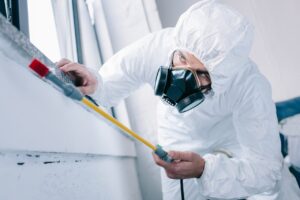
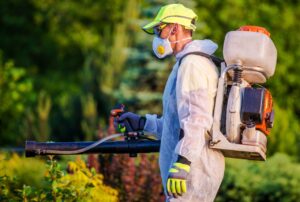
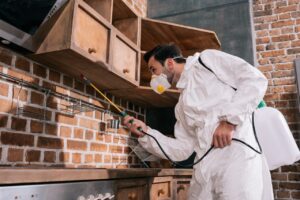
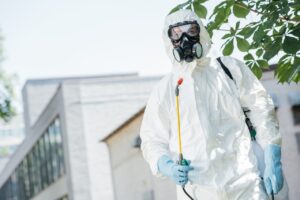
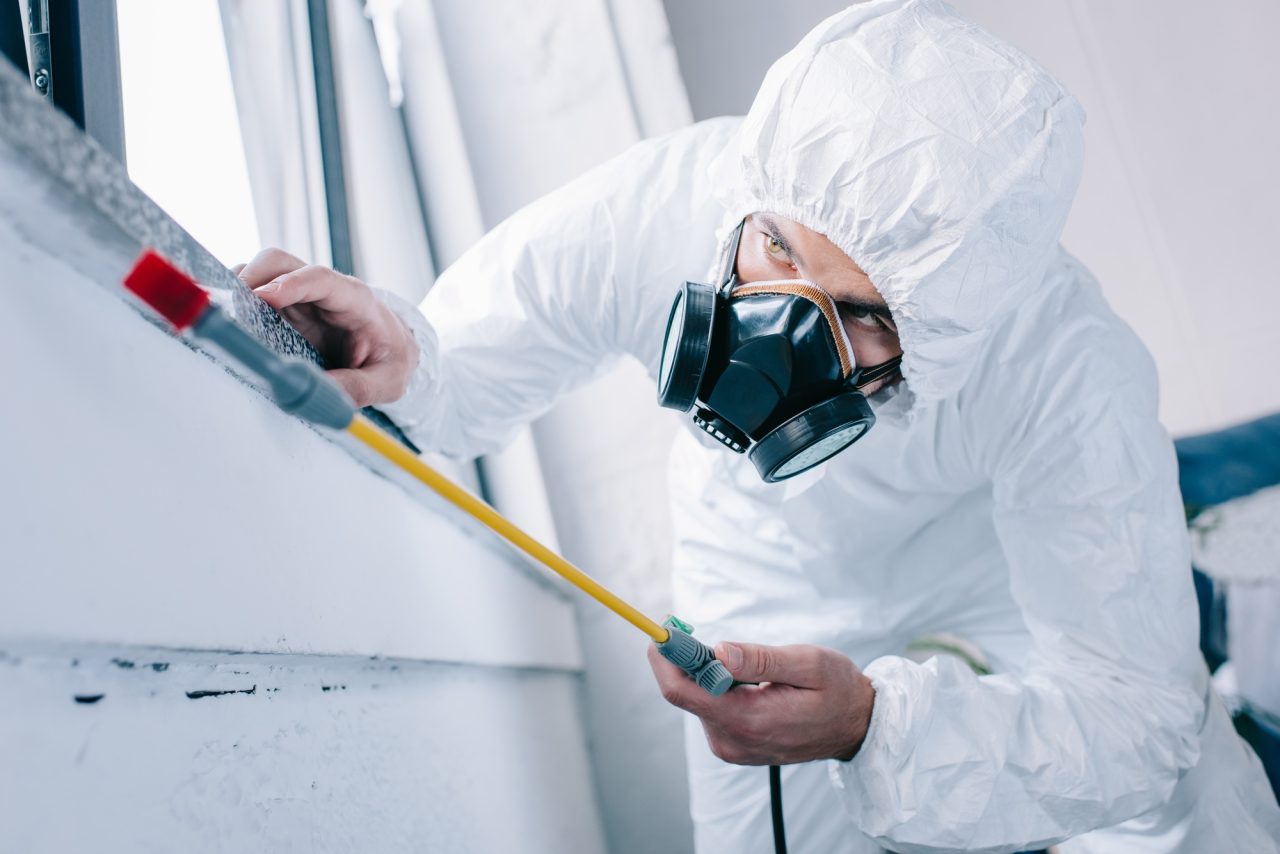
Full PPE deployment precedes entry into any contaminated space. All technicians don complete OSHA-compliant PPE — Tyvek protective suits, nitrile double-gloves, N95 or P100 respirators (P100 and full face shield in enclosed spaces or high-ammonia environments), safety glasses or full face shields, and waterproof protective boot covers — before entering any area with urine or feces contamination.
Pre-wetting and physical removal of surface contamination covers all visible fecal matter, urine-soaked materials, and associated waste using EPA-registered disinfectant pre-wetting before any physical disturbance to prevent aerosolization. All removed materials — contaminated clothing, bedding, furniture, and waste accumulations — are packaged in certified biohazard bags, labeled, and manifested for licensed disposal.
Structural material removal, when required, involves the complete removal of urine-saturated carpet, carpet padding, vinyl flooring, sub-flooring sections, baseboards, drywall, and insulation that cannot be effectively decontaminated in place. Long-term urine saturation penetrating into sub-flooring creates a persistent ammonia source and bacterial reservoir that no surface treatment can reach. Structural material removal is evaluated during the initial assessment and included in the written scope of work before any work begins.
Three-pass EPA-registered disinfection with sporicide where required is applied to all remaining hard and semi-hard surfaces following physical removal of contaminated materials. Standard disinfection uses EPA-registered hospital-grade products achieving a 99.99% kill rate. Where C. diff contamination is known or suspected, EPA-registered sporicidal disinfectants are deployed at manufacturer-specified concentration and dwell time to achieve sporicidal efficacy. ATP surface testing confirms pathogen elimination.
Enzymatic pre-treatment and three-pass permanent molecular odor elimination addresses the ammonia and biological odor compounds embedded in structural materials and surfaces. Industrial enzymatic treatments are applied to concrete, grout, and exposed structural framing to break down uric acid crystals and organic ammonia precursors at the molecular level. This is followed by staged deployment of industrial ozone generators, hydroxyl radical generators, and thermal fogging to permanently eliminate all residual biological odor compounds, providing a permanent result rather than temporary masking.
Mold assessment and remediation is incorporated where mold growth has been identified during the initial assessment — a common finding in properties with long-standing urine saturation, as moisture and organic nutrients in urine create ideal mold growth conditions. Mold remediation follows IICRC S520 protocols including containment, negative-pressure HEPA air filtration, physical removal, and EPA-registered fungicide treatment.
Final inspection, clearance testing, and documentation concludes every project with a post-remediation inspection, ATP surface testing to confirm pathogen elimination, and air quality sampling where mold remediation has been performed. A complete documentation package is provided to the client — the remediation report, waste manifests, disinfectant product data sheets, clearance test results, and a signed clearance certificate confirming the property meets re-occupancy health and safety standards.
Urine & Feces Cleanup Cost Breakdown
The cost of professional urine and feces cleanup is driven primarily by the volume of contamination, the number of rooms affected, the depth of structural penetration into porous materials, the presence of C. diff or other high-risk pathogens requiring sporicidal protocols, and whether structural material removal and replacement is required.
| Scope / Scenario | Typical Cost Range |
| Isolated single incident — small area, hard surface | $200–$800 |
| Single room — moderate contamination, carpet/floor removal likely | $1,500–$5,000 |
| Multi-room — significant contamination across multiple areas | $5,000–$10,000+ |
| Whole-property gross filth — urine-saturated flooring throughout | $10,000–$25,000+ |
| Hoarding scenario with years of human waste accumulation | $10,000–$30,000+ |
| Homeless encampment — commercial or outdoor property | $2,000–$15,000+ |
| Institutional / correctional facility (per affected area) | $1,500–$10,000+ |
| Structural material removal (sub-floor, drywall, insulation) | Quoted separately based on scope |
| Mold remediation (if required) | $1,000–$5,000+ |
Key cost drivers include the square footage of contaminated area, depth of urine penetration into structural materials, number of rooms affected, whether C. diff sporicidal protocols are required, the volume of fecal accumulation, whether mold remediation is required, whether structural materials must be removed and replaced, and the timeline pressure of the project (estate, rental turnover, health department order).
Who Pays for Urine & Feces Cleanup?
Homeowners Insurance
Standard homeowners insurance may cover urine and feces cleanup costs when the contamination results from a sudden, unexpected covered event — such as a medical emergency, accidental incontinence related to a documented health crisis, or an unattended death. Coverage for contamination arising from long-term neglect or gradual accumulation is typically excluded as a maintenance issue. Zero Trace Biohazard coordinates directly with insurance adjusters and provides full documentation to support covered claims. Call (XXX) XXX-XXXX for guidance on your specific situation.
Landlord Insurance and Property Owner Responsibility
Most landlord property insurance policies include coverage for biohazard remediation, meaning landlords can file a claim when a tenant’s behavior has resulted in human waste contamination of the unit (TACT Fort Worth 2025). The landlord bears primary responsibility under the implied warranty of habitability for restoring the unit to safe, sanitary conditions before re-letting. Human waste contamination of a rental unit is among the most unambiguous habitability failures recognized in landlord-tenant law across all 50 states. Zero Trace Biohazard provides landlords with full documentation — remediation reports, waste manifests, before-and-after photographs, and clearance certificates — for insurance claims, security deposit proceedings, and code compliance records.
Commercial Property Owner Responsibility
Commercial property owners are responsible under OSHA’s General Duty Clause and applicable local health codes for maintaining safe and sanitary workplace conditions. Human waste contamination in a commercial setting creates direct OSHA liability if not professionally remediated. For encampment-related contamination on commercial property, the property owner bears cleanup responsibility regardless of the source.
Estate and Family Out-of-Pocket
In estate cleanup scenarios involving elderly or incapacitated former occupants, urine and feces cleanup costs are typically paid from the estate before asset distribution, or by family members when estate funds are insufficient. These costs are legitimate deductions from the estate for tax and probate purposes. Zero Trace Biohazard provides detailed invoicing suitable for probate court submission.
Out-of-Pocket and Payment Options
Zero Trace Biohazard provides transparent, itemized pricing before work begins. Call (XXX) XXX-XXXX to discuss your situation and available payment options.
DIY vs. Professional Urine & Feces Cleanup
| Factor | DIY Cleanup | Zero Trace Biohazard |
| C. diff Spore Elimination | Standard bleach: insufficient; spores survive | EPA-registered sporicides; specific kill claims |
| Norovirus Inactivation | Many consumer products ineffective | EPA List G products; proper dwell time |
| Urine Sub-Surface Penetration | Consumer products cannot reach | UV mapping; structural material removal where required |
| Aerosolization Prevention | High risk during dry wiping/scrubbing | Pre-wetting protocol; zero aerosolization |
| PPE | Typically inadequate; exposure risk | Full OSHA-compliant PPE suite; P100 respirators |
| Ammonia Toxicity Risk | Uncontrolled in high-concentration environments | Monitored; respirated; ventilated |
| Waste Disposal | Typically non-compliant for biohazardous materials | Licensed disposal; manifested; compliant |
| Odor Elimination | Temporary masking; ammonia returns | Enzymatic + permanent molecular elimination |
| Mold Identification | Hidden moisture and mold missed | Assessment during initial scope |
| Insurance Documentation | None | Full documentation package for claims |
| Clearance Certification | None | Written clearance certificate provided |
| Compassionate Client Handling | Emotionally difficult; no professional support | Trained, compassionate team |
Attempting to clean an environment with significant urine and feces contamination without professional training, appropriate products, and proper PPE creates multiple compounding risks. The most critical — and least understood by property owners — is the failure of consumer cleaning products to neutralize C. diff spores and Norovirus, leaving a persistent pathogen reservoir even after the visible contamination has been removed. Sub-surface urine saturation that continues to off-gas ammonia after surface treatment confirms the presence of contamination that the cleaning attempt has not reached. And in enclosed spaces with heavy urine accumulation, ammonia concentrations can reach physiologically dangerous levels before they are perceptible by smell alone, requiring professional atmospheric monitoring equipment for safe entry.
The Zero Trace 8-Step Urine & Feces Cleanup Process
Step 1 — Immediate Response and On-Site Assessment
Upon arrival, a Zero Trace certified technician conducts a comprehensive assessment of all areas affected by urine and feces contamination. UV inspection maps urine saturation invisible to the naked eye. Moisture meters assess the depth of structural penetration in flooring and wall assemblies. The presence of C. diff, mold, blood, or other secondary hazards is evaluated. Ammonia levels in enclosed spaces are assessed using monitoring equipment before crew entry. A written remediation plan and itemized estimate are presented to the client before any work begins, with no hidden costs.
Step 2 — Client Consultation and Sensitive Item Segregation
Before any removal begins, the client representative reviews all items in the affected areas. Personal documents, photographs, financial records, medications, and items of identified sentimental or financial value are segregated and secured. Zero Trace handles every scene with the understanding that this situation is often deeply personal and emotionally significant, and that the family or property owner deserves both professional efficiency and genuine compassion throughout the process.
Step 3 — PPE Deployment and Space Ventilation
All technicians don full OSHA-compliant PPE — Tyvek protective suits, nitrile double-gloves, P100 respirators and full face shields in ammonia-risk environments or enclosed spaces, and waterproof protective boot covers — before entering contaminated areas. Spaces are ventilated through controlled air exchange where feasible to reduce airborne pathogen and ammonia concentrations before active cleanup begins.
Step 4 — Pre-Wetting and Physical Removal of Contaminated Materials
All fecal matter and urine-soaked materials are thoroughly pre-wetted with EPA-registered disinfectant before any physical disturbance to prevent aerosolization of pathogenic particles. All contaminated materials — waste accumulations, clothing, bedding, furniture, and debris — are placed in certified biohazard bags using gloved hands or disposable tools, double-bagged, labeled, and manifested for licensed biohazardous waste disposal. No dry wiping, sweeping, or vacuuming of wet biological waste is ever performed.
Step 5 — Structural Material Removal (If Required)
When urine has penetrated sub-flooring, carpet padding, drywall, baseboards, or insulation beyond the effective depth of surface treatment — as assessed by moisture meter and UV mapping during Step 1 — those structural materials are carefully cut, removed, and contained for licensed disposal. This step eliminates the persistent ammonia source and bacterial reservoir that no surface disinfection can reach, and is essential for achieving a clearance-certifiable outcome in significantly contaminated properties.
Step 6 — Three-Pass EPA-Registered Disinfection with Sporicidal Protocol
All remaining hard and semi-hard surfaces receive a minimum of three full application passes with EPA-registered, hospital-grade disinfectants at proper concentration and dwell time, achieving a 99.99% pathogen kill rate. Where C. diff contamination is confirmed or suspected, EPA-registered sporicidal disinfectants with documented kill claims against Clostridioides difficile spores are substituted for standard disinfectants. ATP surface testing is performed to verify pathogen elimination before proceeding. All disinfectant products used are documented in the remediation report.
Step 7 — Enzymatic Pre-Treatment and Permanent Molecular Odor Elimination
Industrial enzymatic treatments are applied to concrete, grout, exposed structural framing, and other remaining porous surfaces to break down uric acid crystals and organic ammonia precursors embedded within the material matrix. Following enzymatic dwell time, permanent molecular odor elimination is performed using staged deployment of industrial ozone generators, hydroxyl radical generators, and thermal fogging — permanently neutralizing all residual ammonia, biological VOCs, and organic odor compounds at the molecular level. This two-stage approach — enzymatic pre-treatment followed by molecular odor elimination — delivers permanent results that surface deodorizers and single-product treatments cannot replicate.
Step 8 — Final Inspection, Clearance Testing, and Documentation
A comprehensive post-remediation inspection is conducted by the project manager, including ATP surface testing across all treated surfaces, air quality sampling where mold remediation has been performed, and UV re-inspection to confirm complete urine contamination elimination. Upon passing clearance, a complete documentation package is prepared for the client: the full remediation report, waste manifests, disinfectant and sporicide product data sheets, ATP test results, air quality results where applicable, and a signed clearance certificate confirming the property meets re-occupancy health and safety standards. This documentation package supports insurance claims, probate proceedings, landlord-tenant legal actions, and regulatory compliance.
Is This Service Right for You?
Zero Trace Biohazard’s urine and feces cleanup service is the appropriate solution for property owners, families, landlords, property managers, estate executors, commercial property owners, and institutional facility managers facing any of the following situations: visible human urine or feces contamination across more than a single isolated incident on a hard non-porous surface; a hoarding environment with years of human waste accumulation; an elderly or incapacitated former occupant’s living space with significant urine saturation; a rental property left with human waste contamination by a departing tenant; a homeless encampment on commercial or private property; an institutional setting requiring C. diff sporicidal decontamination; or any property where a previous cleanup attempt left persistent biological odor — confirming that sub-surface contamination was not reached.
For a truly isolated, small, single-incident spillage on a completely non-porous hard surface with no structural penetration, standard consumer cleanup with appropriate PPE and EPA-registered disinfectant may be adequate. For any scene involving multiple incidents, porous materials, prolonged contamination, structural penetration, or institutional environments — professional cleanup is essential.
Frequently Asked Questions
How much does urine and feces cleanup cost?
Professional urine and feces cleanup costs range from $200–$800 for a truly isolated single incident on a hard surface to $10,000–$25,000+ for whole-property gross filth or hoarding scenarios with years of urine saturation and structural material removal required. Most single-room residential scenes run $1,500–$5,000, with the national biohazard cleanup average at $3,000–$5,000 (Fixr 2025). Multi-room contamination typically runs $5,000–$10,000+. Call (XXX) XXX-XXXX for a free on-site assessment and itemized written estimate.
Why can’t standard bleach kill C. diff spores?
Clostridioides difficile produces endospores — a dormant, highly resistant form that standard household bleach at normal dilutions does not reliably inactivate. C. diff spores are documented to survive on environmental surfaces for months under normal indoor conditions (CDC, SGNA). Effective C. diff decontamination requires EPA-registered sporicidal disinfectants with specific kill claims against C. difficile spores, applied at manufacturer-specified concentrations with proper dwell time. Zero Trace uses EPA-approved sporicides for all scenes involving confirmed or suspected C. diff contamination.
How long does Norovirus survive on surfaces after fecal contamination?
Norovirus is among the most environmentally durable pathogens encountered in human waste cleanup. NIH-published peer-reviewed research confirms that Norovirus particles can remain viable on environmental surfaces for two or more weeks, and for more than two months in water. Standard disinfectants that are not specifically rated against Norovirus by the EPA may not effectively inactivate it. Zero Trace uses EPA-registered products with documented Norovirus kill claims for all fecal decontamination scenes.
Is urine actually a biohazard?
Yes. Human urine is classified as a potentially infectious material under OSHA’s guidelines when it may contain infectious agents — including Leptospira bacteria, CMV, Rubella virus, and — when blood is present — HIV, HBV, and HCV (Cornell EHS). Beyond pathogen risk, urine decomposing into ammonia in porous materials creates both a persistent biological odor problem and a toxic air quality hazard in enclosed spaces. Large volumes of urine saturating structural materials require professional decontamination and, in many cases, structural material removal.
Can I clean up urine and feces myself?
For a small, isolated single incident on a completely non-porous hard surface, consumer cleanup with appropriate PPE and an EPA-registered disinfectant may be adequate. For any scene involving porous materials, multiple incidents, prolonged accumulation, or structural penetration — DIY cleanup is strongly discouraged. Consumer products cannot neutralize C. diff spores or Norovirus, cannot reach sub-surface urine contamination, cannot safely remove contaminated structural materials, and cannot permanently eliminate biological odor. DIY cleanup also produces no insurance documentation, no clearance certificate, and no legal protection.
How long does urine and feces cleanup take?
Timeline depends on the scope and location of contamination. A small isolated incident typically takes a few hours. A moderate single-room scene takes 1–3 days. A multi-room or whole-property gross filth scenario with structural material removal takes 1–2 weeks or more. A timeline estimate is provided during the on-site assessment before work begins.
Who is responsible for cleanup in a rental property?
The landlord bears primary responsibility for restoring a rental unit to safe, habitable conditions following urine and feces contamination, under the implied warranty of habitability applicable in most U.S. states. Human waste contamination is among the most unambiguous habitability failures in landlord-tenant law. Cleanup costs may be recoverable through the tenant’s security deposit (subject to state law limits) or through the landlord’s property insurance. Zero Trace provides full documentation for insurance claims and security deposit proceedings.
Does homeowners insurance cover urine and feces cleanup?
Coverage depends on the specific circumstances and policy language. Standard homeowners insurance may cover cleanup costs when contamination results from a sudden, unexpected covered event — such as a medical emergency or accidental incontinence related to a documented health crisis. Contamination arising from long-term neglect or gradual accumulation is typically excluded as a maintenance issue. Zero Trace Biohazard coordinates directly with insurance adjusters and provides full documentation to support covered claims. Call (XXX) XXX-XXXX for guidance.
Why does the urine smell persist even after I have cleaned the area?
Persistent urine odor after cleaning is a reliable indicator that urine has penetrated below the surface layer into porous materials — carpet padding, sub-flooring, grout, concrete, or drywall — where consumer products have not reached. Urea in urine decomposes into ammonia, and the uric acid crystals that form as urine dries bind permanently to porous surfaces, continuing to off-gas ammonia indefinitely. Professional remediation using UV mapping to identify the full extent of contamination, enzymatic pre-treatment to break down uric acid crystals at the molecular level, and industrial molecular odor elimination is required to permanently eliminate urine odor rather than temporarily masking it.
What certifications should a urine and feces cleanup company have?
The minimum professional standard includes: OSHA Bloodborne Pathogens training (29 CFR 1910.1030), IICRC TCST (Trauma and Crime Scene Technician) and/or IICRC HST (Health and Safety Technician) certification, use of EPA-registered disinfectants with appropriate kill claims (including sporicidal products where C. diff is a concern), and proper biohazardous waste disposal via licensed facilities with documented waste manifests. State-specific licensing should be confirmed for your jurisdiction. Zero Trace Biohazard holds all applicable certifications and licenses — ask to see documentation when you call.
Do you handle homeless encampment cleanup?
Yes. Zero Trace Biohazard provides commercial-scale homeless encampment cleanup for property owners, municipalities, and commercial real estate managers. Encampment cleanup involves human feces and urine, used syringes, and other biohazardous materials that require OSHA-compliant protocols, full PPE, licensed biohazardous waste disposal, and clearance documentation. Call (XXX) XXX-XXXX for a free on-site commercial assessment.
Do you provide a clearance certificate after urine and feces cleanup?
Yes. Upon completing all remediation phases and passing final inspection and clearance testing, Zero Trace Biohazard provides a complete documentation package including the remediation report, waste manifests, disinfectant and sporicide product data sheets, ATP surface test results, and a signed clearance certificate confirming the property meets re-occupancy health and safety standards. This documentation is essential for insurance claims, probate proceedings, landlord-tenant legal actions, and regulatory compliance.
🚨 Urine or Feces Contamination Requiring Professional Remediation?
Zero Trace Biohazard provides certified, compassionate, discreet urine and feces cleanup nationwide — 24 hours a day, 7 days a week, every day of the year.
📞 Call (XXX) XXX-XXXX — Immediate Response, Free On-Site Assessment
✅ OSHA 29 CFR 1910.1030 Compliant — Full PPE Suite ✅ EPA-Registered Disinfectants — 99.99% Pathogen Kill Rate ✅ EPA-Approved Sporicidal Products for C. diff Contamination ✅ UV Urine Mapping — Every Contaminated Surface Identified ✅ Structural Material Removal When Required ✅ Enzymatic Pre-Treatment + Permanent Molecular Odor Elimination ✅ Mold Assessment and IICRC S520 Remediation Available ✅ Insurance Coordination — We Work With Your Carrier ✅ Unmarked Vehicles — Full Discretion and Compassion ✅ Complete Documentation and Clearance Certificate Provided
[Schedule a Free Assessment] | [View All Services] | [Insurance & Payment FAQ]