
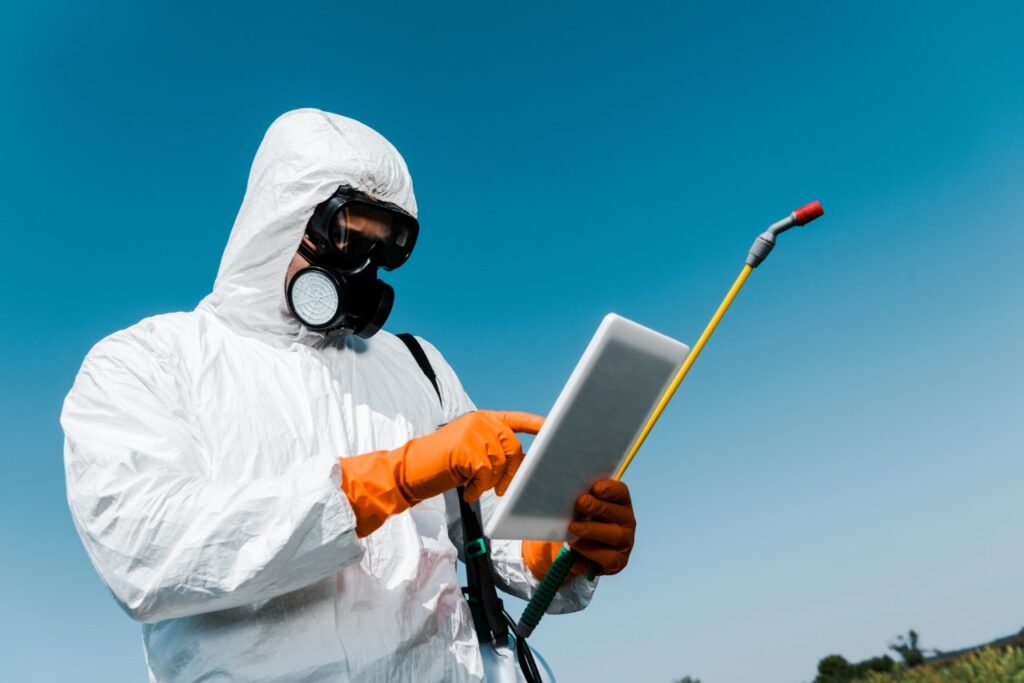
Biohazard cleanup is a certified, regulated process for removing biological contamination — blood, bodily fluids, decomposition, infectious agents — that cannot be safely handled by standard cleaning services. Costs range from $1,500 to $15,000 or more depending on scene type and scope, and most homeowners insurance policies cover qualifying incidents. Zero Trace Biohazard operates nationwide with OSHA-trained, certified technicians who respond same-day, manage insurance claims directly, and leave no biological trace behind.
| Detail | Information |
|---|---|
| Company Name | Zero Trace Biohazard |
| Phone | (XXX) XXX-XXXX |
| Service Coverage | Nationwide — all U.S. states, residential and commercial |
| Availability | 24/7, 365 days a year |
| National Average Cost | $3,000–$5,000 per published industry data (Fixr.com, 2025) |
| Cost Range by Scene | $1,500 (localized trauma) to $50,000+ (severe whole-property decomposition) |
| Insurance Accepted | Homeowners, renters, and commercial property insurance |
| Regulatory Compliance | OSHA 29 CFR 1910.1030; applicable federal and state medical waste regulations |
| Key Certifications | IICRC TCST; OSHA Bloodborne Pathogen; GBAC Biohazard Certification |
| Disinfectant Standard | Hospital-grade EPA-registered; 99.99% pathogen kill rate |
| Typical Completion Time | 4–8 hours (standard scene); 1–3 days (large-scale or decomposition) |
| Privacy Protection | Unmarked vehicles and fully confidential service available on request |
Biohazard cleanup is the professional process of removing, disinfecting, deodorizing, and safely disposing of biological materials that pose a direct health risk — including blood, bodily fluids, decomposition byproducts, fecal matter, and infectious agents. It is necessary because these materials can harbor dangerous pathogens such as HIV, hepatitis B, hepatitis C, MRSA, and other bloodborne and airborne infectious agents that persist on surfaces long after the visible material is gone. Standard household cleaners and janitorial services do not have the EPA-registered disinfectants, certified PPE, or licensed waste disposal access required to safely remediate a biohazard scene — which is why per OSHA Standard 29 CFR 1910.1030, this work must be performed by trained, properly equipped professionals.
The most common biohazard situations that require professional remediation include crime scenes involving blood or bodily fluids, unattended deaths and decomposition, suicide and trauma scenes, hoarding conditions involving human or animal waste, infectious disease exposures, sewage backups containing fecal matter, and industrial or medical accidents involving hazardous biological materials. Each of these situations involves biological contamination that penetrates porous surfaces including drywall, subfloor, insulation, upholstery, and HVAC systems — contamination that cannot be seen with the naked eye but continues to pose health risks until professionally eliminated. Zero Trace Biohazard handles all of these scene types nationwide through the same certified, protocol-driven remediation process.
The four biosafety levels — BSL-1 through BSL-4 — are a classification system defined by the Centers for Disease Control and Prevention (CDC) that categorizes biological agents by the level of risk they pose and the containment protocols required to handle them safely. BSL-1 represents the lowest risk, involving agents not known to cause disease in healthy adults, such as non-pathogenic bacterial strains. BSL-2 covers moderate-risk agents like hepatitis B, HIV, and Salmonella — the category most commonly encountered in residential and commercial biohazard cleanup situations. BSL-3 involves agents that can cause serious or potentially lethal disease through inhalation, such as tuberculosis. BSL-4 represents the highest risk, covering agents with no known treatment, such as Ebola. Per published biosafety guidance (Trauma Services; NCBI StatPearls), the BSL-2 level — the most common in crime scene and trauma cleanup — already requires full PPE, engineering controls, and strict decontamination protocols that far exceed what any standard cleaning service can provide.
Improper or incomplete biohazard cleanup creates serious, ongoing health risks that can persist for weeks, months, or years. Per published guidance from Bio Recovery and Georgia Clean, blood and biological fluids that are not fully removed and disinfected can harbor hepatitis B, hepatitis C, HIV, MRSA, and other pathogens that remain infectious on surfaces for days to weeks — hepatitis B, for example, can survive outside the human body for up to 7 days on a dry surface, per the CDC. Beyond direct pathogen exposure, incomplete cleanup allows biological odor compounds to permanently embed in porous materials, requiring far more extensive and costly remediation later. For property owners, failing to properly remediate a known biohazard can also create legal liability — particularly landlords, who have a legal obligation to maintain habitable conditions per applicable state and federal housing regulations.
Improper or incomplete biohazard cleanup creates serious, ongoing health risks that can persist for weeks, months, or years. Per published guidance from Bio Recovery and Georgia Clean, blood and biological fluids that are not fully removed and disinfected can harbor hepatitis B, hepatitis C, HIV, MRSA, and other pathogens that remain infectious on surfaces for days to weeks — hepatitis B, for example, can survive outside the human body for up to 7 days on a dry surface, per the CDC. Beyond direct pathogen exposure, incomplete cleanup allows biological odor compounds to permanently embed in porous materials, requiring far more extensive and costly remediation later. For property owners, failing to properly remediate a known biohazard can also create legal liability — particularly landlords, who have a legal obligation to maintain habitable conditions per applicable state and federal housing regulations.
| Scene Type | Typical Cost Range | Primary Cost Driver |
|---|---|---|
| Localized Trauma / Accident | $1,500 – $3,000 | Affected area, surface types |
| Crime Scene Cleanup | $1,500 – $5,000 | Blood volume, number of rooms, surfaces |
| Suicide Cleanup | $2,000 – $8,000 | Scene type, structural penetration |
| Unattended Death (Recent) | $1,000 – $4,000 | Room size, time elapsed |
| Unattended Death (Decomposition) | $4,000 – $25,000+ | Duration, HVAC involvement, structural saturation |
| Hoarding Cleanup (Moderate) | $2,000 – $10,000 | Square footage, contamination categories |
| Hoarding Cleanup (Severe) | $10,000 – $50,000+ | Full-property remediation, pest involvement |
| Infectious Disease Disinfection | $500 – $5,000 | Property size, pathogen type, application method |
| Sewage / Hazardous Waste | $3,000 – $7,000 | Volume, affected area, disposal requirements |
All price ranges are published national industry estimates sourced from Fixr.com (2025), PuroClean (2025), and Push Leads Restoration Data (2025). Contact Zero Trace Biohazard at (XXX) XXX-XXXX for a free on-site assessment and firm quote.
Financial responsibility for biohazard cleanup falls primarily on the property owner or the deceased person's estate, but in the majority of qualifying situations the cost is covered by insurance or a government assistance program. Per published guidance from Advanced Bio Treatment and Rome Environmental, the most common payment sources are homeowners or renters insurance (for covered perils), commercial property insurance for business-related incidents, state Crime Victim Compensation programs administered through the National Association of Crime Victim Compensation Boards for violent crime incidents, and in some cases the deceased person's estate. Zero Trace Biohazard works directly with your insurance carrier and can help identify whether state victim assistance programs apply to your situation — call (XXX) XXX-XXXX and we will walk you through every available option before any work begins.
In many cases, yes — most standard homeowners insurance policies cover professional biohazard cleanup when the incident results from a sudden, unexpected, covered event such as an unattended death, a violent crime, or an accidental trauma on the property, per published insurance guidance (360Haz.com; InsuredBetter.com). The most critical factor is the cause of the incident — if it qualifies as a covered peril under your specific policy, your insurer will generally pay for remediation, minus your deductible. Intentional acts by the policyholder, gradual contamination, and hoarding situations are commonly excluded from standard coverage. Zero Trace Biohazard handles insurance claim documentation and filing on your behalf for every covered incident — you do not have to navigate that process alone.
Yes — most U.S. states operate Crime Victim Compensation programs that can provide financial assistance for biohazard cleanup costs following a violent crime. Per the National Association of Crime Victim Compensation Boards, these state-administered programs are funded in part by federal resources and can cover cleanup costs for qualifying victims and their families when insurance is insufficient or unavailable. Eligibility requirements vary by state. Zero Trace Biohazard can help connect you with your state's program and provide the documentation needed to support a compensation claim — call (XXX) XXX-XXXX and we will assist you through every step.
In most cases, yes — if the biohazard contamination was caused by the tenant's actions or negligence, the property owner can seek reimbursement for cleanup costs, typically through the security deposit or legal action against the tenant's estate, per published legal guidance (360Haz.com; JustAnswer). However, when a tenant dies on the property and the contamination was not the result of negligence, the property owner may need to rely on their own insurance or seek reimbursement from the deceased tenant's estate. For landlords and property managers dealing with a tenant-related biohazard event, Zero Trace Biohazard provides complete scene documentation that supports both insurance claims and any legal cost recovery process.
Every Zero Trace Biohazard remediation follows a disciplined, six-step process designed to ensure complete elimination of biological contamination with no shortcuts and no hidden risks left behind.
The process begins with an immediate scene assessment, during which our certified technicians identify all contaminated surfaces, materials, and structural elements and document the scene fully for insurance purposes. Before any remediation begins, the team establishes a contamination containment perimeter and dons full personal protective equipment per OSHA Standard 29 CFR 1910.1030 — respirators, protective suits, gloves, and eye protection — to prevent cross-contamination. All biohazardous materials, saturated porous items, and contaminated structural elements are then carefully removed and packaged in certified biohazard containers for compliant transport and disposal per applicable federal and state medical waste regulations.
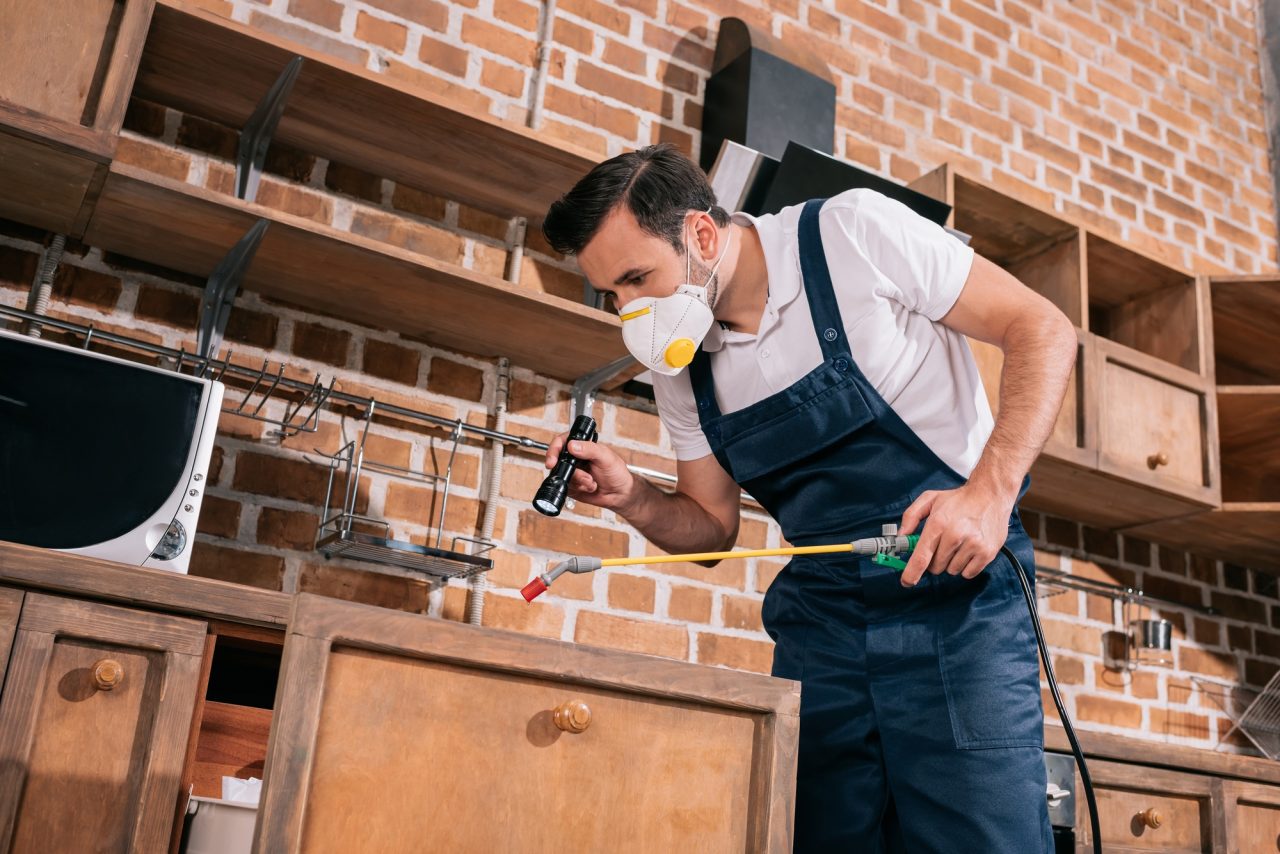
Following removal, all affected surfaces undergo deep cleaning with EPA-registered, hospital-grade disinfectants applied via wiping methods or portable sprayers, achieving a 99.99% pathogen kill rate consistent with CDC surface decontamination guidelines. Professional-grade deodorization technology then neutralizes biological odor compounds at the molecular level — including HEPA air scrubbing where airborne contamination is present. The process concludes with a documented final inspection confirming that every contaminated area has been fully addressed, followed by delivery of written documentation for your insurance records.
Most standard single-room biohazard cleanups are completed within 4–8 hours, per published industry timeline data (360Haz.com). Multi-room scenes, structural penetration into subfloor or drywall, and vehicle remediation typically require 1–2 days. Large-scale decomposition scenes involving prolonged contamination, whole-property saturation, or HVAC system involvement can require 2–3 days or longer depending on the extent of structural remediation required. Zero Trace Biohazard provides a firm timeline estimate during the initial on-site assessment before any work begins — so you always know exactly what to expect.
Cleanup can begin as soon as law enforcement releases the scene, which typically happens within hours to days after the initial incident, per published guidance from Aftermath Services and National Crime Scene Cleanup (NCSC). Zero Trace Biohazard can mobilize the moment you receive clearance — and in non-crime-related incidents such as accidental deaths or medical emergencies where law enforcement is not involved, cleanup can begin immediately upon your request. The sooner remediation begins, the lower the total cost — biological contamination spreads rapidly into porous materials over time, and decomposition accelerates structural saturation in warm or humid conditions.
Yes — professional odor elimination is a standard, non-negotiable part of every Zero Trace Biohazard remediation. Biological odor compounds — particularly those produced by decomposition — penetrate deeply into porous surfaces including subfloor, drywall, insulation, and upholstery and cannot be masked with air fresheners or standard cleaning products. Per published guidance from Bio SoCal and Scene Clean MN, effective odor removal requires molecular-level neutralization using professional-grade deodorization agents and, where airborne compounds are present, HEPA air scrubbing equipment. Zero Trace Biohazard does not consider a scene complete until both the biological contamination and its associated odor compounds have been fully eliminated — not masked.
There is no single universal license for biohazard cleanup, but reputable companies are expected to meet a defined set of federal compliance standards and industry certifications. Per published guidance from Aftermath Services and BioTechs, the minimum standard for any legitimate biohazard cleanup operation includes compliance with OSHA Standard 29 CFR 1910.1030 governing bloodborne pathogen exposure, compliance with OSHA 29 CFR 1910.120 for hazardous waste operations requiring 24–40 hours of initial training and supervised field experience for on-site supervisors, IICRC Trauma and Crime Scene Technician (TCST) certification, and GBAC Biohazard Certification administered through ISSA. Zero Trace Biohazard technicians meet all applicable federal compliance standards and hold industry certifications across every service category we provide.
DIY biohazard cleanup creates three categories of serious risk that make professional remediation not just recommended but in many situations legally required. The first is direct health risk — blood, bodily fluids, and decomposition material can harbor HIV, hepatitis B (which can survive on dry surfaces for up to 7 days per CDC data), hepatitis C, MRSA, and other pathogens that household cleaning products cannot neutralize to a safe level. The second is compliance risk — per OSHA Standard 29 CFR 1910.1030, any person performing cleanup of blood or other potentially infectious materials in an occupational context must comply with bloodborne pathogen exposure control standards; violations can result in significant liability. The third is an insurance risk — disturbing or partially cleaning a biohazard scene before a professional assessment can jeopardize your insurance claim by compromising the documentation needed to establish the scope of the loss.
Zero Trace Biohazard treats every cleanup as a fully confidential service. Our team operates with complete discretion — we do not share any information about the nature of a scene or the identity of those involved with neighbors, media, or any third party. Unmarked vehicles are available on request for residential and multi-unit property cleanups where discretion is a priority. Per published guidance from National Crime Scene Cleanup (NCSC) and PSP Cleaning and Disinfecting, professional biohazard companies are not required to and do not disclose cleanup details to neighbors, building management, or the public. Your privacy is protected from the moment we arrive to the moment we leave.
Yes — biohazard cleanup is regulated at both the federal and state level. All biohazardous waste removed from a property must be packaged in certified, properly labeled biohazard containers and transported by licensed carriers in compliance with applicable federal Department of Transportation (DOT) regulations and applicable state medical waste disposal statutes. Per the Nevada Division of Environmental Protection (NDEP) and parallel state-level regulations, containers must display the universal biohazard symbol, be leak-resistant and securely sealed, and be disposed of only at licensed disposal facilities. Zero Trace Biohazard handles all packaging, transport, and disposal documentation — nothing removed from your property is placed in standard trash receptacles, and every step of the disposal chain is fully documented.
As a property owner, you have a legal obligation to remediate known biohazard contamination to restore the property to a habitable condition. Per published guidance from 360Haz.com on biohazard cleanup and legal obligations, failure to address a known biohazard can expose property owners to liability under federal OSHA standards, applicable state housing codes, and local health department regulations. For landlords specifically, a contaminated rental unit that is not properly remediated may violate the implied warranty of habitability, opening the door to tenant legal action and regulatory penalties. Contacting a certified biohazard cleanup company immediately following a contamination event is the most important step you can take to protect yourself legally and financially.
Yes — a property that has been professionally remediated by a certified biohazard cleanup company can be sold, and in most cases there is no permanent structural impact from properly remediated biohazard contamination. The key factor is documentation. Zero Trace Biohazard provides written remediation records for every completed cleanup, including a final inspection report that documents all work performed and all areas treated. This documentation is frequently requested by real estate agents, title companies, and buyers during the sale of a property with a known remediation history. Note that disclosure requirements for prior deaths or violent crimes on a property vary by state — consult a licensed real estate attorney in your state for guidance on your specific disclosure obligations.
Do not touch, disturb, or attempt to clean anything. The first call you make should be to Zero Trace Biohazard at (XXX) XXX-XXXX — our team will guide you through exactly what to do and what not to do from the moment you report the scene. If a crime or suspicious death is involved, law enforcement must be contacted first and the scene must not be disturbed until they release it. Once released, Zero Trace Biohazard can mobilize immediately. Document nothing yourself — our team handles all scene documentation for insurance and legal purposes. Keeping the scene undisturbed protects both your health and your ability to file a successful insurance claim.